A team from the University of Padua has analyzed how depression alters the relationship between emotions and time. They monitored the brain activity of 120 students, half with depressive symptoms, while they watched sad or neutral videos. The results reveal that healthy individuals underestimate the duration of negative stimuli, while depressed patients do not show this temporal adjustment, suggesting a key neural disconnection.
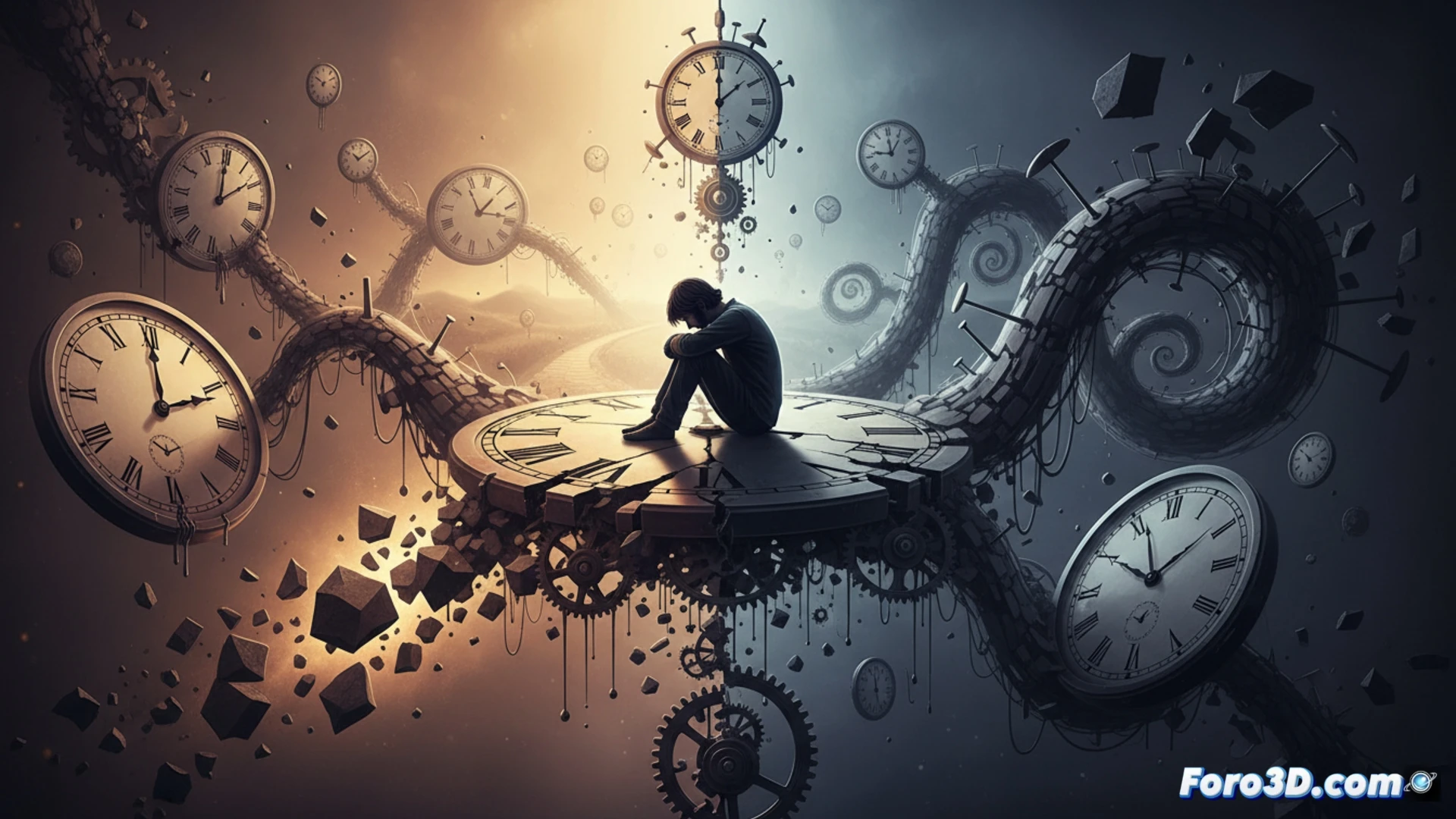
Functional resonance reveals failures in temporal processing 🧠
Using functional magnetic resonance imaging, researchers observed that in healthy subjects, sad stimuli activate regions such as the insula and prefrontal cortex, modulating time perception. In contrast, participants with depression show reduced activity in these areas, preventing the usual temporal distortion. This finding points to a deficit in the integration of emotional and temporal signals, a process that could be targeted by future therapies to restore the connection.
Time heals nothing, at least for those with depression ⏳
We already knew that time is relative, but it turns out that for depression, it is literally a lost concept. While healthy individuals manage to make a sad video seem shorter (like when you wait for the bus and it flies by), patients remain trapped in a loop where even the bad moment does not shorten. Researchers suggest rehabilitating this connection, perhaps with therapies that teach you to say: this won't last that long, even if your brain insists otherwise.