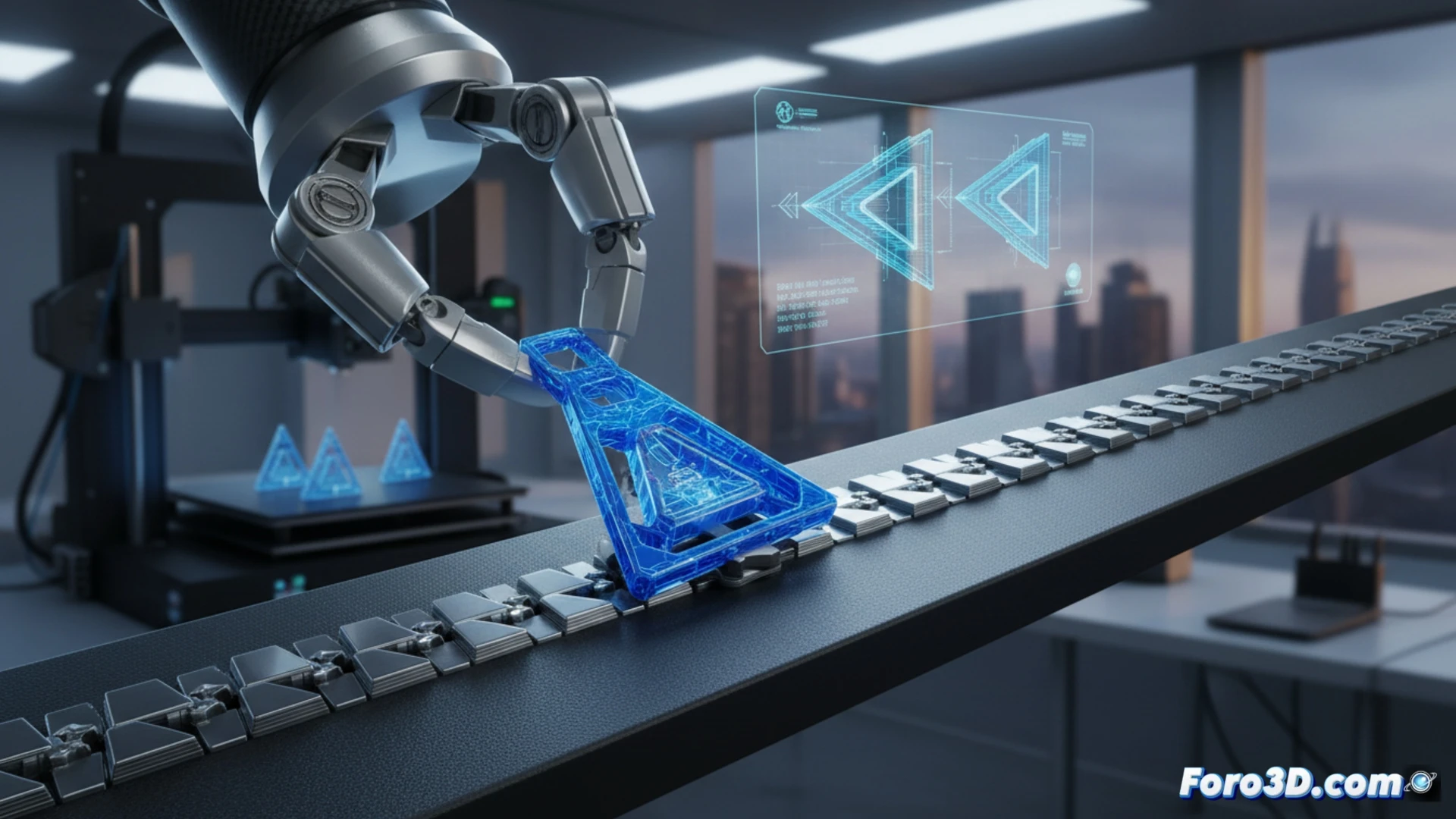
A closure design seemingly doomed to oblivion has resurfaced. The triangular zipper, with its distinctive geometric shape, offered superior strength and a firmer grip than conventional models. However, its manufacturing complexity and high production costs led to its disappearance from the market four decades ago. Now, 3D printing allows this mechanism to be recreated on a small scale and on demand, demonstrating that technology can rescue forgotten technical solutions.
How Additive Manufacturing Overcomes Past Limitations 🔧
The traditional manufacturing process required specific molds and tooling for each tooth of the triangular zipper, which drove up costs and complicated quality control. With 3D printing, the design is digitally modeled and produced layer by layer in materials such as nylon or thermoplastic polyurethane. This eliminates the need for expensive tooling and allows the shape of the teeth to be adjusted for specific applications, such as climbing gear or industrial fastening systems. On-demand production avoids storing large batches and reduces material waste.
The Return of the Triangle Nobody Asked For but Everyone Needed ⚡
Of course, nobody was exactly campaigning for the return of this piece of hardware. But now that it's here, DIY enthusiasts can boast of having a zipper that looks like a geometry fractal. That said, if you decide to use it on a backpack, be prepared to explain to your friends that it's not a design flaw, but a reincarnated technological relic. At least, when it breaks, you can print another one instead of cursing the brand that stopped making it.