Domestic robotics advances to free us from chores, but in doing so, it also sweeps away the gestures that united us. The home becomes a space where machines mop, sweep, and cook, while humans become spectators of their own domestic life. Efficiency wins, but family connection dissolves among sensors and algorithms.
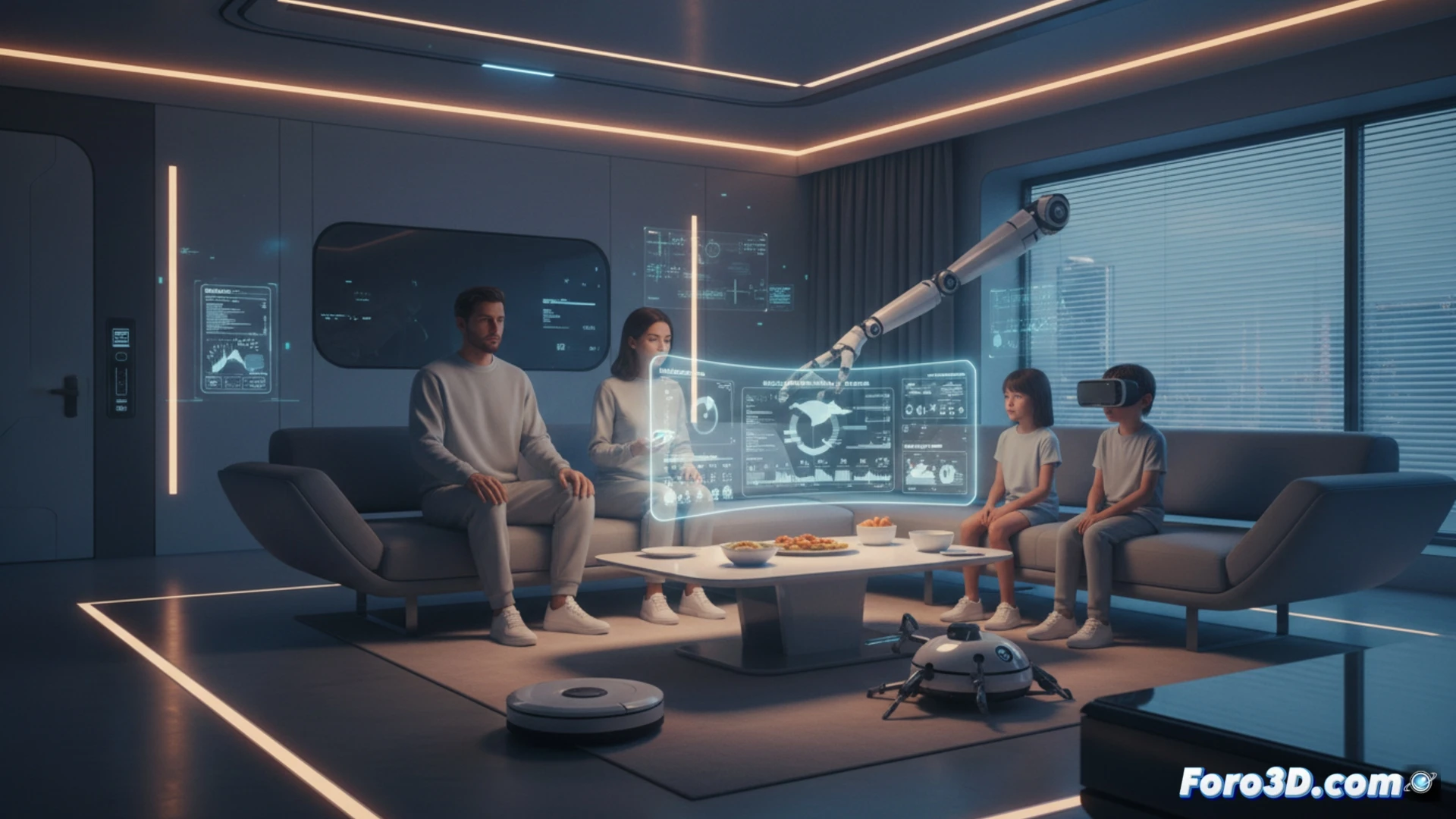
The emotional heatmap the vacuum cleaner doesn't see 🧹
LiDAR sensors and RGB cameras map every corner for efficient cleaning, but they don't register the touch of a hand while sweeping together. Artificial intelligence optimizes routes and avoids obstacles, but it doesn't understand that the true value of washing dishes isn't in the clean tableware, but in the conversation that arises. Technology solves the task but eliminates the occasion. The home becomes functional, yet empty of those small rituals that, without an instruction manual, sustained bonds.
Mom, the robot already told me dinner is ready 🍳
My seven-year-old nephew no longer asks when we eat. The voice assistant notifies him, the robot cooks, and the vacuum cleaner cleans up the crumbs. Now the family gathers to watch the robotic arm prepare a Spanish tortilla, while they argue about whether the algorithm added enough salt. The other day, my aunt asked the robot to tell her a joke, and it replied: I'd rather not comment. Even artificial intelligence knows when to keep quiet.