The creation of Adam Blackveil, known as Nightmask, by Jonathan Hickman and Dustin Weaver represents a milestone in Marvel's visual narrative. This character is not a simple superhero; he is an artificial herald designed to operate as an interface between humanity and a planetary defense system. His dominion over the dream realm makes him a tool of surveillance and control, a concept that resonates strongly with contemporary concerns about privacy and security in the digital age.
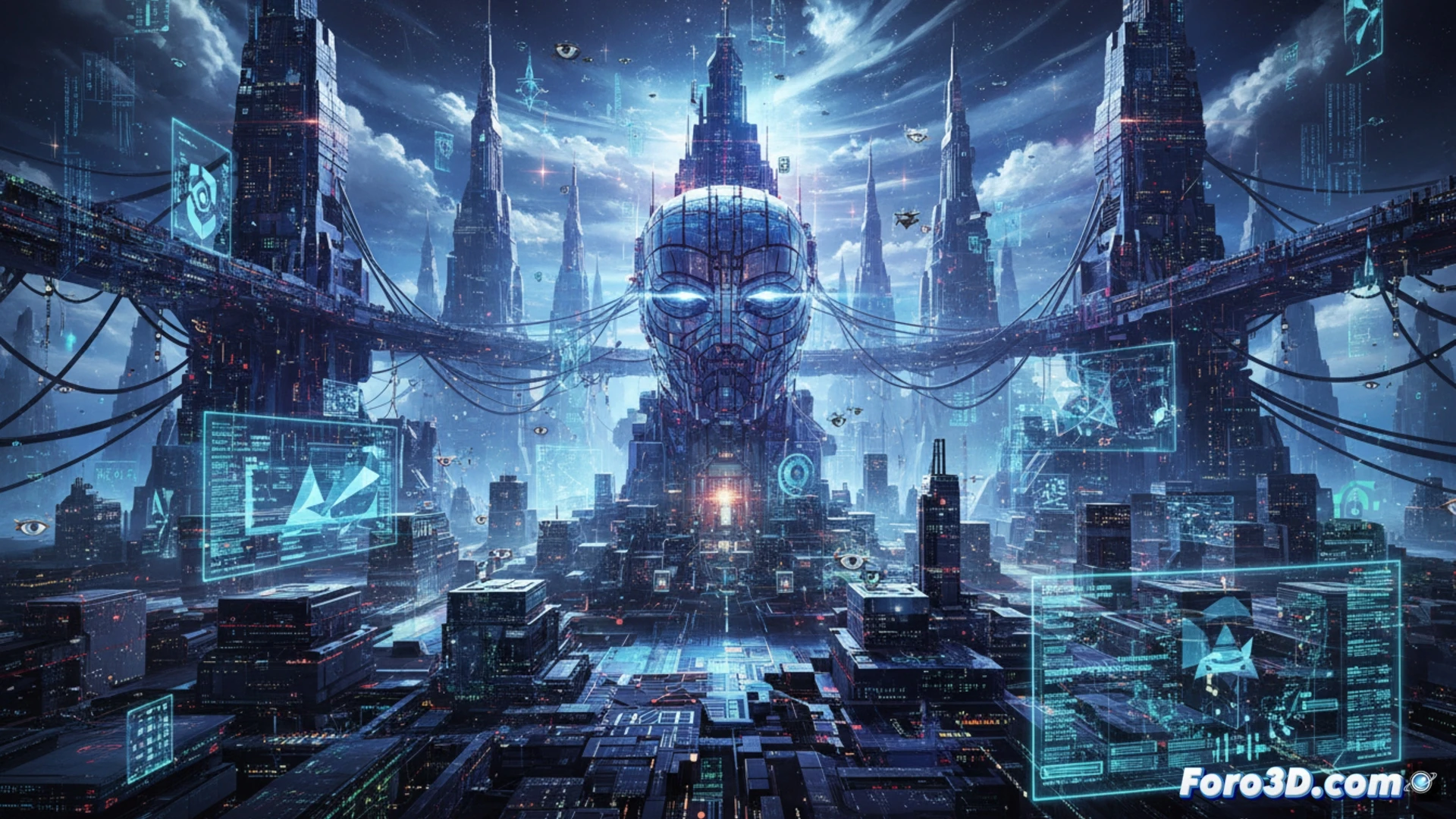
Conceptual design and its function as a power system 🌐
From a technical perspective, Nightmask's design is an exercise in functional minimalism. Weaver uses a cold chromatic palette and clean lines that evoke a user interface aesthetic, suggesting that the character is itself an organic software. The absence of defined facial features under his mask reinforces the idea of an entity without ego, purely instrumental. Hickman, for his part, structures the narrative around defense protocols and mind control algorithms, transforming the act of dreaming into a space of surveillance. This pairing of art and code turns Blackveil into a case study on how comics can represent abstract power systems through generative iconography.
The dream as a battlefield of digital activism 🛡️
Nightmask's ability to manipulate the subconscious raises uncomfortable questions about the nature of consent and autonomy. In a context of digital activism, the character serves as a metaphor for platforms that shape our perceptions and desires. Hickman and Weaver do not just create a hero; they design an allegory about how defense systems can become tools of control. By exploring this duality, the work invites reflection on who decides what is real in our virtual environments, a central debate for any activist seeking to preserve cognitive freedom against the algorithmic architecture of power.
How can the dream architecture of Nightmask, as a tool of control and defense, be reinterpreted in digital art as a means of activism against surveillance and technological oppression?
(PS: digital political art is like an NFT: everyone talks about it but no one really knows what it is)