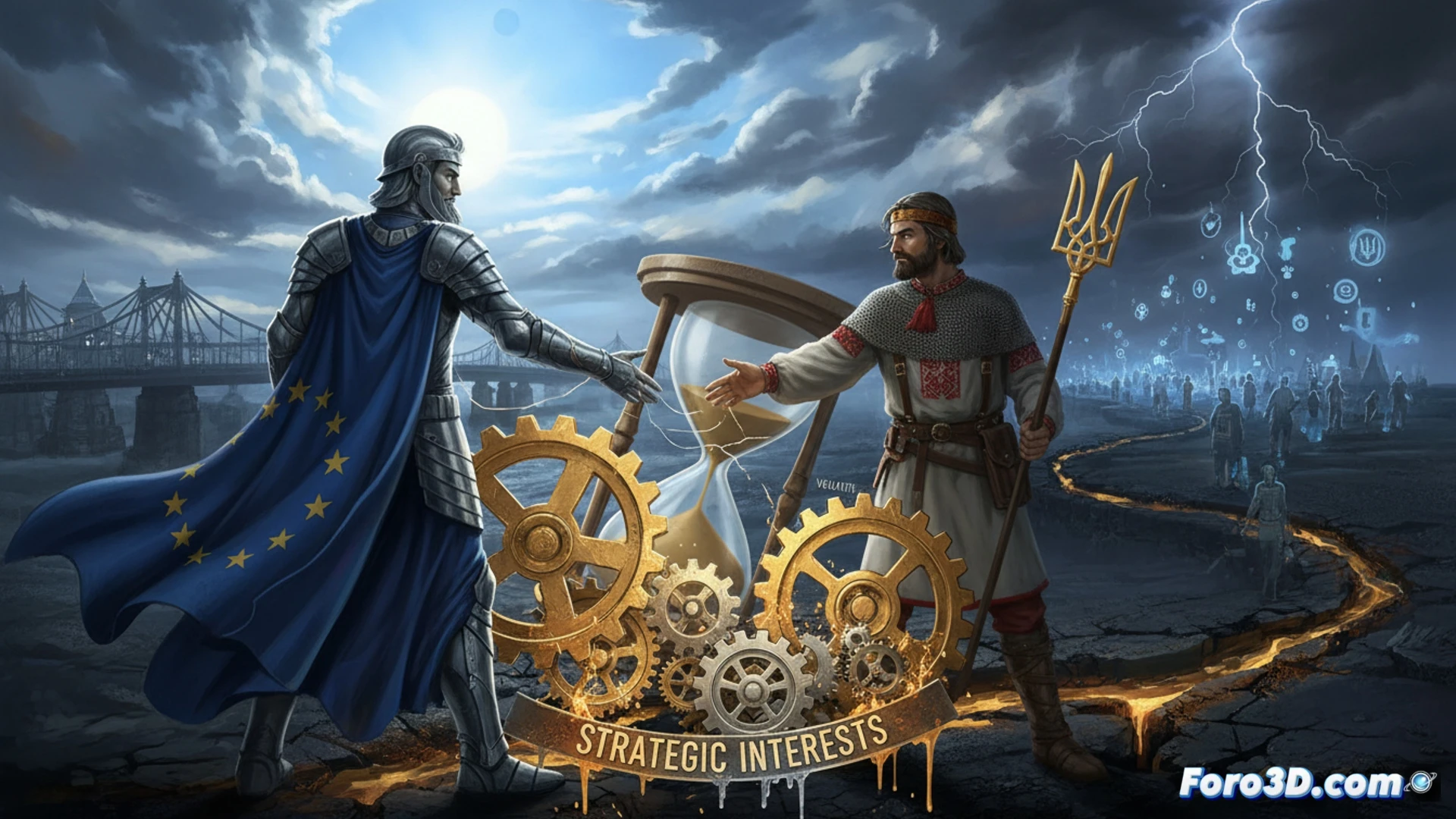
European support for Ukraine has been firm, but geopolitical alliances are fickle. If EU governments insist on policies that prioritize interests unrelated to regional stability, they could create a rift with Kyiv. Historically, strategic partners become adversaries when interests diverge, and the current scenario is no exception to this rule.
Autonomous defense systems and the dilemma of technological dependence 🤖
Ukraine's development of kamikaze drones and electronic warfare systems is advancing rapidly. However, reliance on Western components, such as dual-use chips or satellite guidance systems, creates a weak point. If Europe restricts these technologies due to external pressure, Kyiv might seek alternatives in other markets, accelerating a technical rupture that no diplomatic protocol could repair.
When the ally gets tired of asking for permission to use the wifi 📡
Picture the scene: Zelenskyy calling Brussels to ask if he can use his own missiles without filling out a form in triplicate. If European bureaucracy continues to demand utility bills for every weapons shipment, it wouldn't be surprising if Ukraine decides to switch suppliers. After all, even a combat drone prefers a partner that doesn't impose a data cap on its internet plan.