The world of speed is in mourning. Kyle Busch, two-time NASCAR champion, died at age 41 after severe pneumonia progressed to sepsis, according to his family. The driver showed cold symptoms while competing at Watkins Glen on May 10, but managed to win at Dover and finish 17th in the All-Star Race. On Wednesday, while testing a simulator in Concord, North Carolina, he lost consciousness and was hospitalized with respiratory distress, fever, and coughing up blood. Saturday's medical evaluation revealed the infection progressed rapidly and fatally.
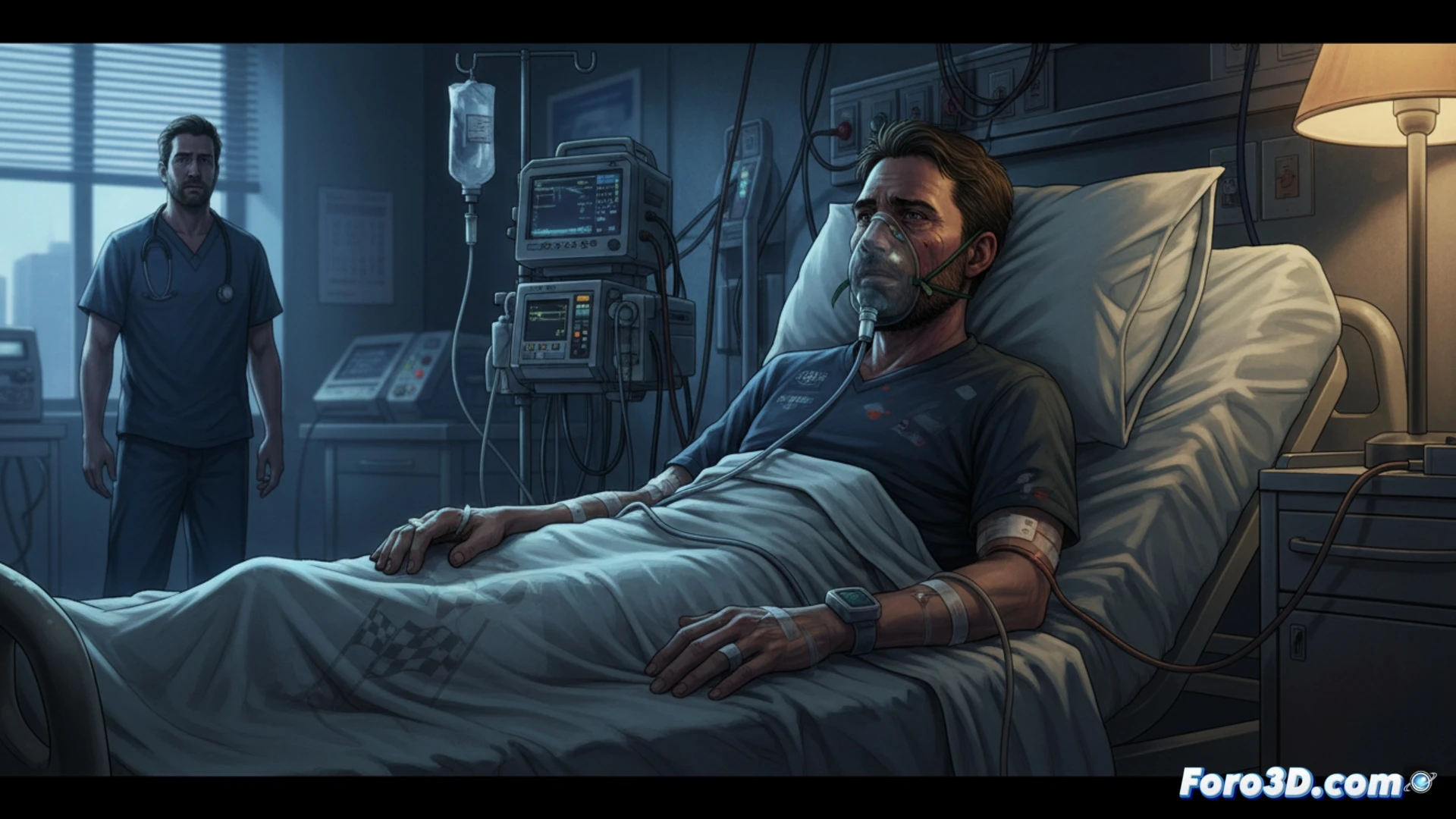
High-fidelity simulators: the line between preparation and collapse 🏁
The use of simulators in NASCAR is a key tool for technical development. These systems replicate track conditions, allowing drivers like Busch to adjust settings and reactions without real physical wear. However, the incident in Concord raises questions about medical supervision during these sessions. Although Busch's loss of consciousness was attributed to sepsis, current protocols do not require health evaluations prior to simulation tests. The technology, designed to optimize performance, does not account for the fragility of the human body in the face of silent infections. A reminder that the most complex hardware remains the driver's organism.
Win a race and die a week later: the irony of the calendar ⚰️
Kyle Busch won at Dover on May 17, felt unwell, but still raced. Brad Keselowski said that seeing him win made his concerns vanish. Sure, because nothing says I'm fine like coughing up blood in a simulator. Sepsis is fast, but the driver's ego is faster. If he had stopped when he felt the cold, maybe today he would be discussing fuel strategies. But no, he had to win. Now his legacy is not just of victories, but of a lesson: sometimes the body says enough, but the engine keeps roaring until it explodes.