Krafton Studio has revealed new technical details of its ambitious project, The Bird That Drinks Tears, also known as Project Windless. This title, developed with Unreal Engine 5, seeks to translate the conceptual art of Iain McCaig, legendary Star Wars designer, into a Korean fantasy world. The key to realism lies in the implementation of Nanite, allowing the rendering of extremely high-detail geometries without sacrificing performance, a major challenge for mythological creatures and intricate armor.
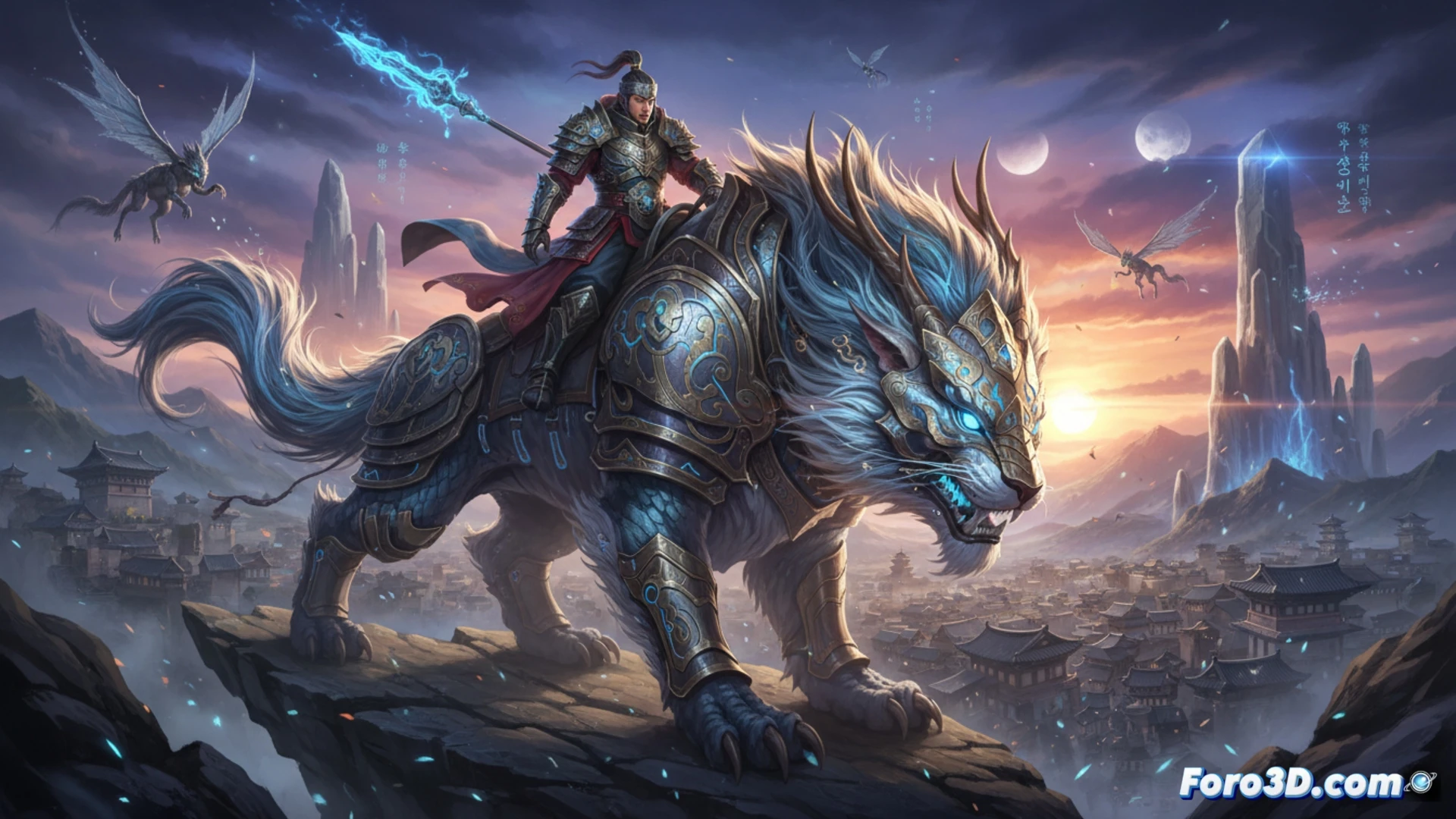
Workflow: Maya, ZBrush, and proprietary motion capture 🎮
Krafton's technical pipeline combines classic tools with internal innovation. Base models are sculpted in ZBrush, where the organic texture of creatures and the filigree of Korean armor are captured. Subsequently, Maya is used for retopology and asset preparation, which are then integrated into Unreal Engine 5. The true qualitative leap comes from its proprietary motion capture system. Unlike generic solutions, this system is calibrated to capture the fluidity of Korean martial dances, endowing characters with organic animation that complements the visual detail of Nanite. This approach eliminates the classic problem of photorealistic models with robotic movements.
The challenge of cultural fantasy in real-time 🐉
Beyond technology, Project Windless raises a reflection on cultural representation in video games. It is not just about showing Korean monsters, but doing so with the fidelity demanded by McCaig's art. The use of Nanite is not mere graphical bravado; it is a necessity to capture the complexity of creatures without compromising gameplay fluidity. Krafton demonstrates that Unreal Engine 5 can be a vehicle for dense visual narratives, where every fold of armor or scale of a dragon tells a technical and cultural story.
As a developer, which key technical aspects of Unreal Engine 5 do you believe are responsible for Krafton achieving that qualitative leap in facial and texture photorealism we see in Project Windless, and what practical advice would you give to try to replicate a similar finish in indie projects?
(PS: a game developer is someone who spends 1000 hours making a game that people complete in 2)