Kenji Nakamura is that director who makes you wonder if the rainbow you see on screen is art or a sign that your monitor needs calibration. With a career that defies convention, his works are modern fairy tales with an axe: while they hypnotize you with vibrant colors, they drive home themes like social isolation, the digital economy, and technology. It's not just animation; it's a psychedelic mirror of society that stares back at you.
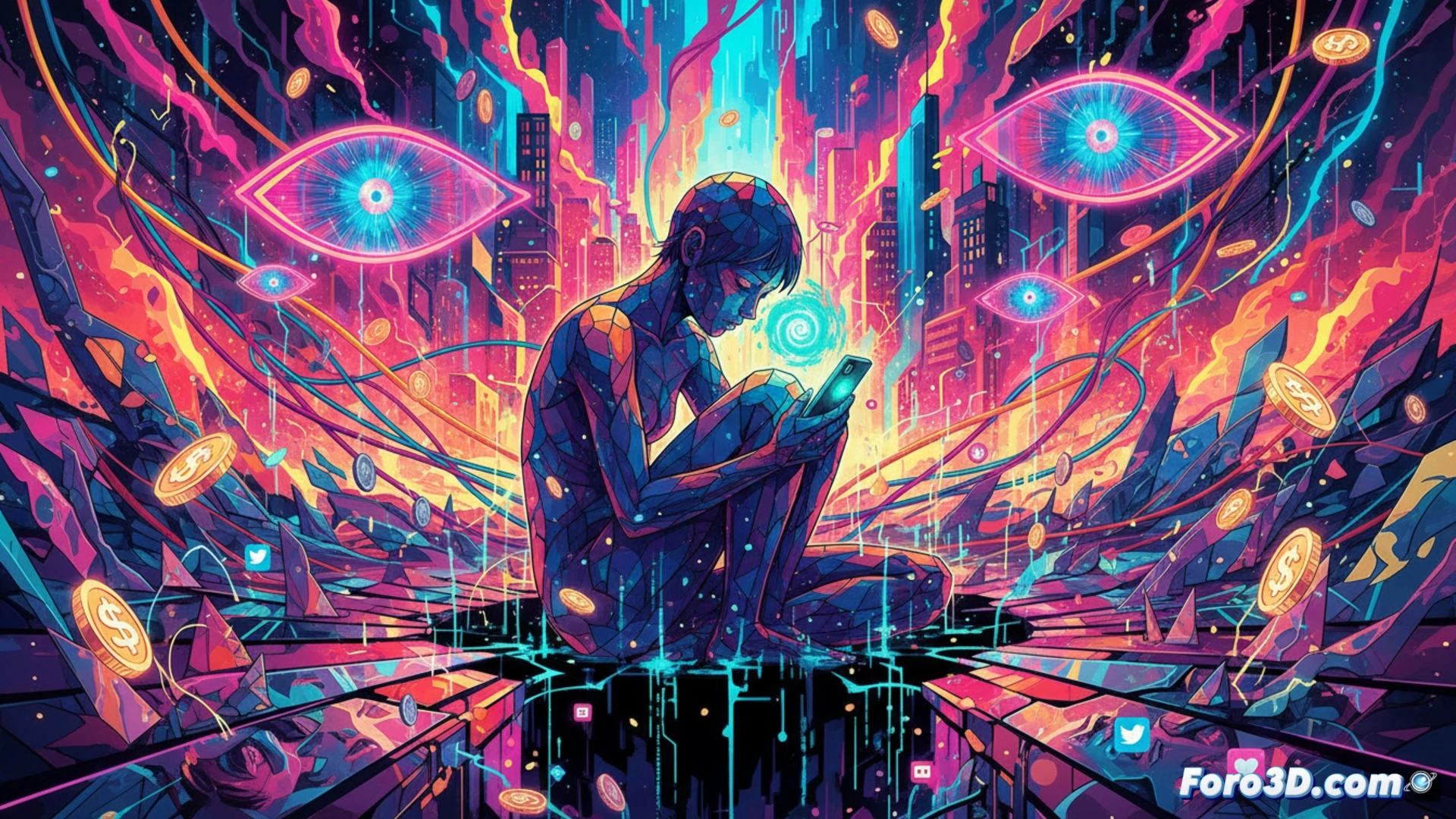
The technical engine behind controlled visual chaos 🎨
Nakamura doesn't beat around the bush technically. In every project, he fuses traditional 2D animation with 3D models that look like they came from a fever dream, achieving textures that fluctuate between the organic and the digital. His use of color is not decorative: each hue corresponds to a character's psychological state, as in Mononoke, where backgrounds distort to reflect anxiety. In Gatchaman Crowds, visual saturation becomes a commentary on information overload. Everything is calculated so that the viewer feels the discomfort of living in a hyperconnected world.
When your psychiatrist prescribes watching Tsuritama 🐟
Watching a Nakamura series is like entering a home decor store after smoking something weird: everything is pretty, but you don't know if you're in an art gallery or an episode of Black Mirror. Tsuritama makes you believe it's a relaxing fishing series, until you realize the characters are resolving their traumas while casting lines with aliens. And Gatchaman Crowds convinces you that superheroes are cool, but in the end leaves you wondering if that like you gave on social media didn't make you part of the problem.