The cyber espionage group Turla has updated its well-known Kazuar backdoor, transforming it into a modular botnet with a peer-to-peer architecture. This evolution eliminates the dependence on central command servers, allowing infected systems to communicate with each other in a decentralized manner. The change makes detection and removal of the malware more difficult, granting it remarkable resilience in high-security environments.
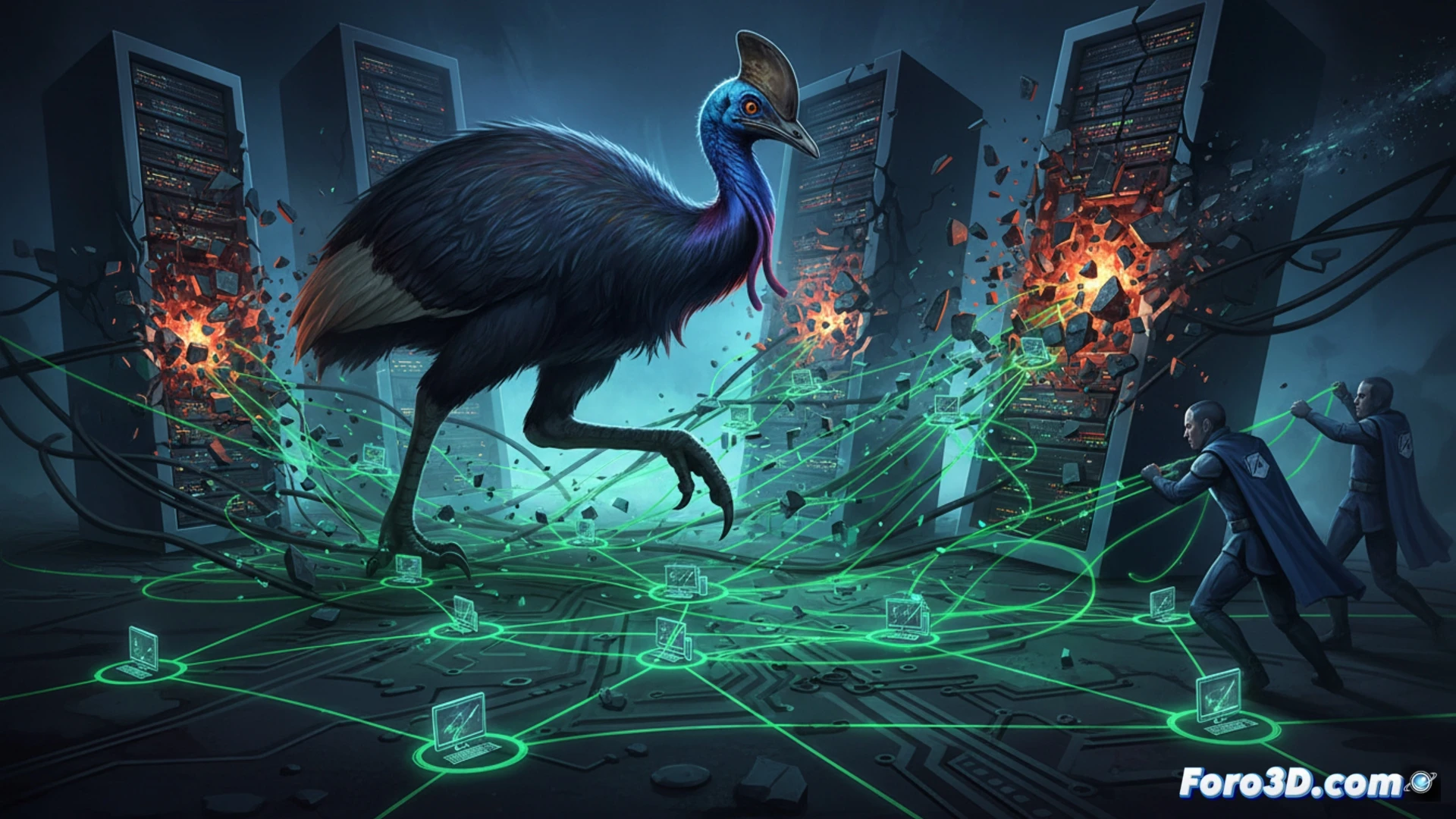
Interchangeable modules and lateral movement without a central server 🛡️
The new version of Kazuar incorporates a modular design that allows components to be swapped on the fly. Each module expands specific capabilities, such as credential harvesting, document theft, or lateral movement within the compromised network. By operating without a single point of failure, the botnet becomes more difficult to neutralize. Researchers point out that this P2P architecture represents a significant tactical leap for maintaining persistent access in critical infrastructures.
Turla moves into the neighborhood: now every PC is its own boss 😈
It seems Turla has decided to take notes from social networks and apply them to malware. If before Kazuar needed a central server to receive orders, now each infected PC is its own boss, like a teenager with an early inheritance. Decentralization sounds very modern, but for security administrators it means having to chase not a leader, but a multitude of autonomous agents that pass files around as if they were trading cards.