Burnout from 100-hour open worlds has reached a critical point. By 2026, players prioritize titles that can be completed in one or two sessions, tailored for subway commutes or work breaks. Patience for pointless side quests has run out, and the demand for compact, straightforward experiences is redefining the market. 🎮
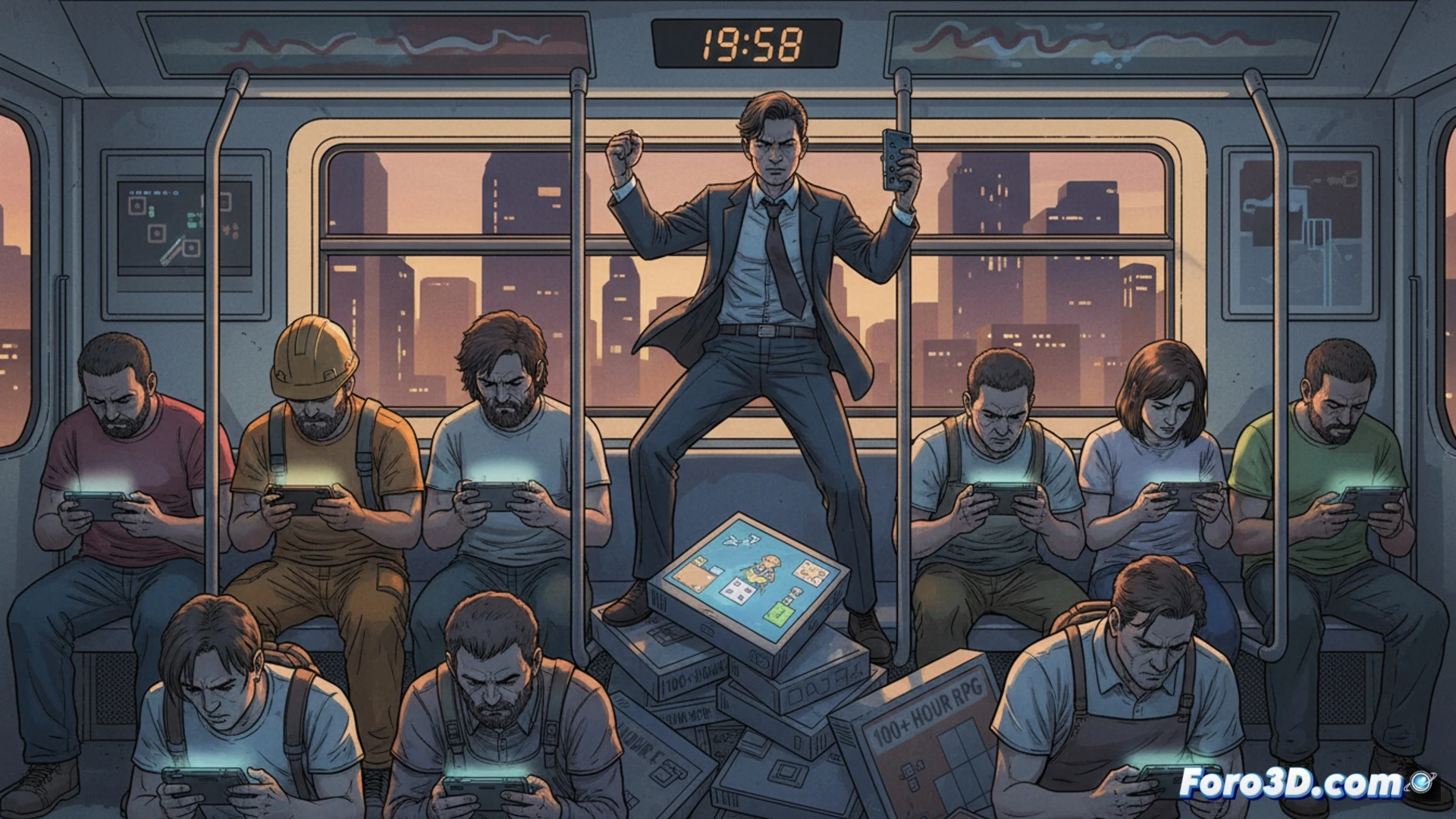
How technical optimization enables express play sessions ⚡
The development of short games relies on optimized engines that reduce load times and enable instant startups. Techniques like asset streaming and modular level design allow for 2 to 5-hour experiences without filler. The absence of lengthy cinematics and mandatory tutorials accelerates immersion, prioritizing pure gameplay over passive spectacle. This is not a regression, but an adjustment to real habits.
The drama of not being able to justify 80 hours of filler 😅
Studios that based their marketing on map size are now sweating bullets. Saying your game has 20 hours of solid content no longer sells as well as before. Now players ask: Can I finish it before my coffee gets cold? Skin DLCs and endless battle passes watch warily from the corner, while two-hour-long titles laugh all the way to the bank.