Josefina Molina, a key figure in Spanish cinema and a defender of women behind the camera, has passed away, leaving an indelible mark. Her work, ranging from films to television series, addressed themes of identity and freedom at a time when female directors were a rarity. For the public, her legacy is a reminder of the struggle for equality in a male-dominated industry, inspiring new generations to tell their own stories.
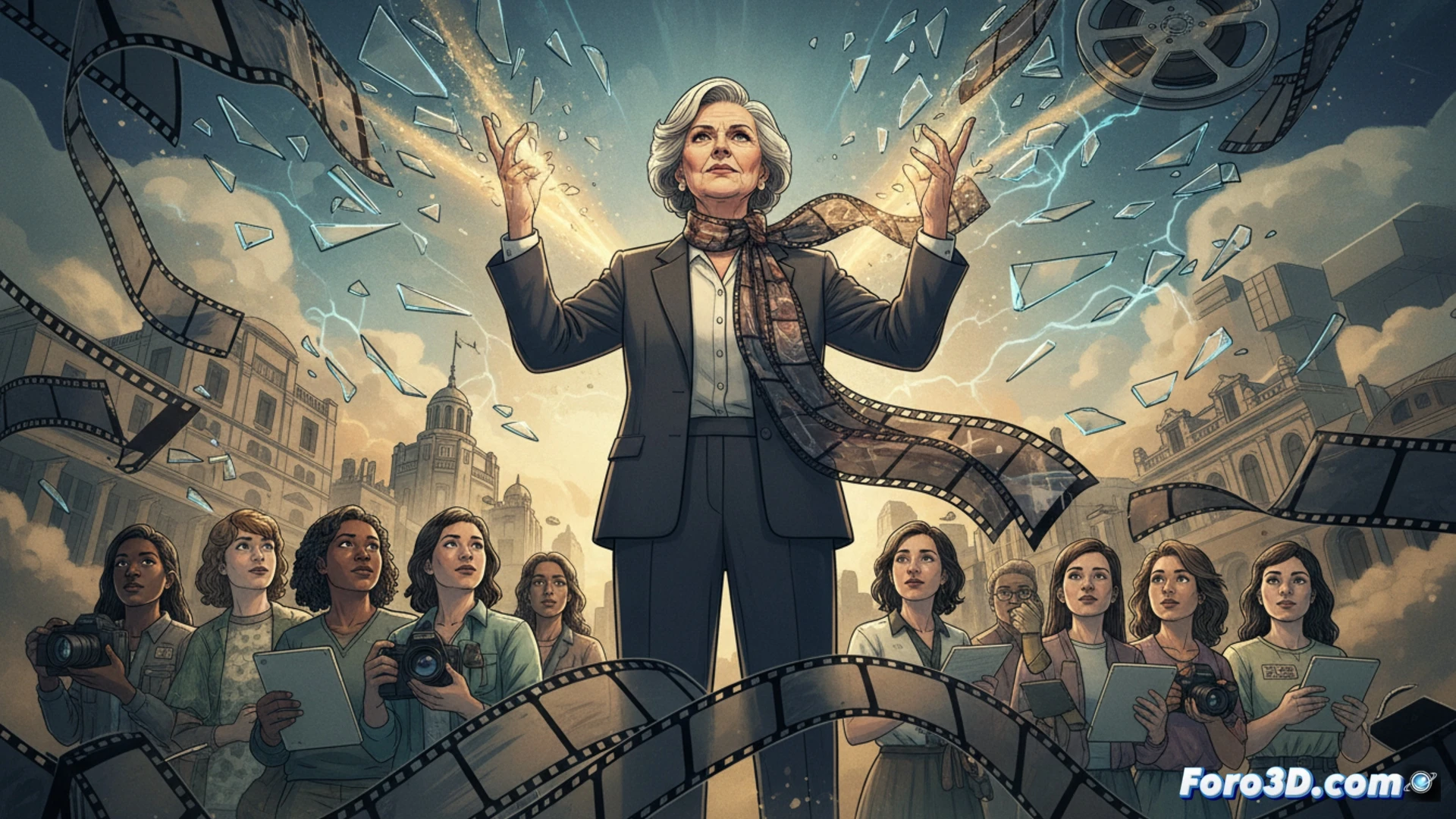
The Sequence Shot of Equality: Technology and Unfiltered Narrative 🎬
Molina mastered visual narrative with precise technical resources, such as the use of sequence shots that reflected the continuity of her characters' internal conflict. In her series Teresa de Jesús, she combined natural lighting and dense dialogue to humanize a historical figure, breaking away from the traditional biopic. Her focus on building complex female characters, without resorting to archetypes, laid the groundwork for a more diverse and realistic cinema, where the camera does not judge but observes.
What the Patriarchy Learned: That Female Directors Aren't Just for Making Coffee ☕
They say that on her sets, when a producer doubted a woman could direct an action scene, Molina would respond by placing the camera in the exact spot and ordering: Action. The result was usually so good that the skeptics would go get coffee, but she had already made it. Ironic twists of fate: while some expected her to fail, she built a filmography that is studied today in film schools. The patriarchy was slow, but it learned.