On May 22, 2011, an EF5 tornado devastated Joplin, Missouri, killing 158 people and destroying thousands of homes. Fifteen years later, the city is not just an example of urban reconstruction, but of how human cooperation can overcome devastation. The rapid and organized community response transformed the disaster into a model of resilience.
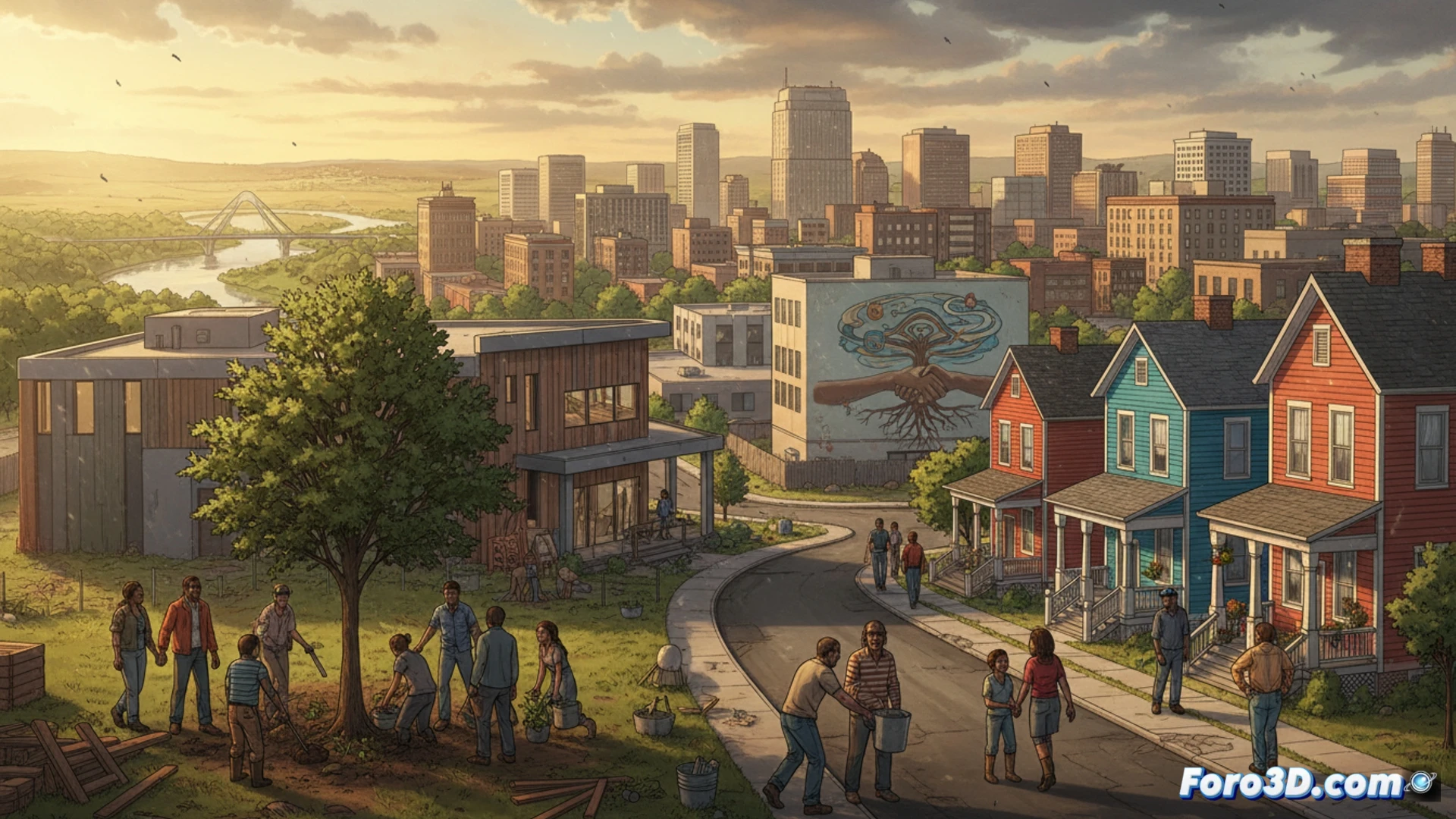
How technology helped rebuild a city from scratch 🛠️
The reconstruction of Joplin integrated early warning systems and stricter building codes to withstand 200 mph winds. Underground shelters were implemented in homes and schools, and evacuation route maps were digitized. The use of drones for damage assessment and emergency management software allowed for precise resource coordination. The technical lesson was clear: prevention saves lives when urban design adapts to the fury of nature.
The tornado that taught us not to leave the milk out of the fridge 🐱
In Joplin, they learned that a tornado does not distinguish between brick and straw houses, but it does distinguish between those who have a plan and those who rely on luck. Now, every time someone forgets to close the basement door, a neighbor reminds them that the wind gives no warning. Of course, the hardest lesson was that, although insurance covers everything, no one insures the time lost looking for the cat.