Japanese Prime Minister Takashi faced opposition in the first debate of the current parliamentary session. The central focus was the prolonged uncertainty in the Middle East and its impact on the local economy. Amid rising tensions and increasing energy costs, the leader announced the possible drafting of a supplementary budget proposal for the current fiscal year, seeking to mitigate adverse effects on daily life.
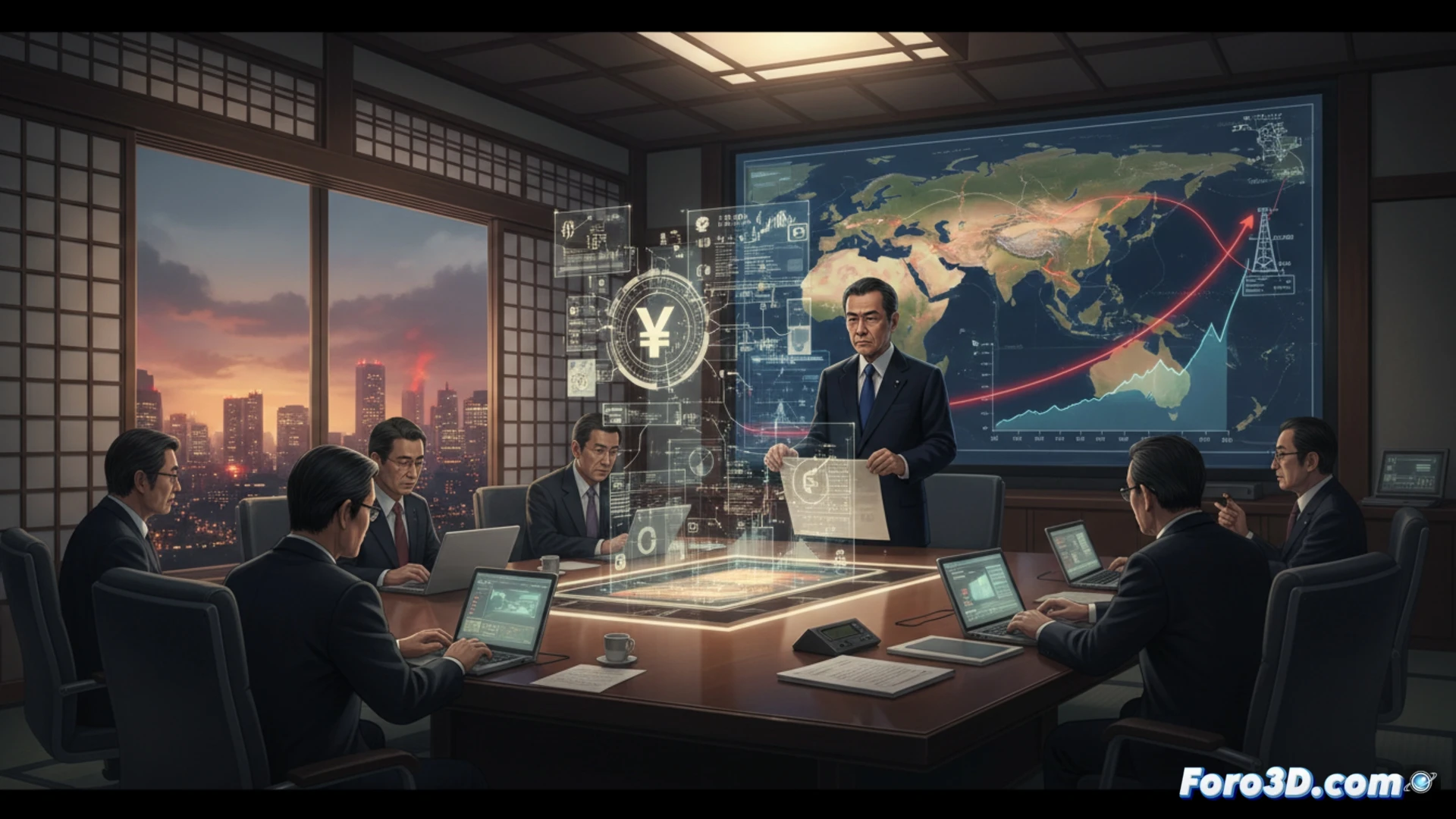
Technological measures for energy stability 💡
The Japanese government is considering allocating part of the extra budget to AI-assisted energy demand management systems. Plans are underway to implement smart grids that optimize consumption during peak hours and reduce dependence on imported fossil fuels. Accelerating the installation of offshore wind farms and fourth-generation nuclear reactors is also being considered. The goal is to strengthen self-sufficiency in the face of potential supply disruptions stemming from the conflict in the region.
Takashi and his blank check for geopolitics 💸
Of course, because nothing says economic stability like printing more money when the world is on fire. Takashi promises a supplementary budget, which is the elegant way of saying: I have no idea how much this will cost, but bring out the checkbook. Meanwhile, Japanese citizens hope the extra money doesn't end up funding a new batch of plane tickets for politicians to go on crisis tourism in the Middle East.