Starting May 21, the Japanese judicial system takes a digital leap. All civil procedures, from filing a lawsuit to the verdict, will be processed electronically, eliminating paperwork and mandatory court visits. The measure aims to streamline processes and reduce the workload of judges and lawyers, although it promises a change in habits for everyone.
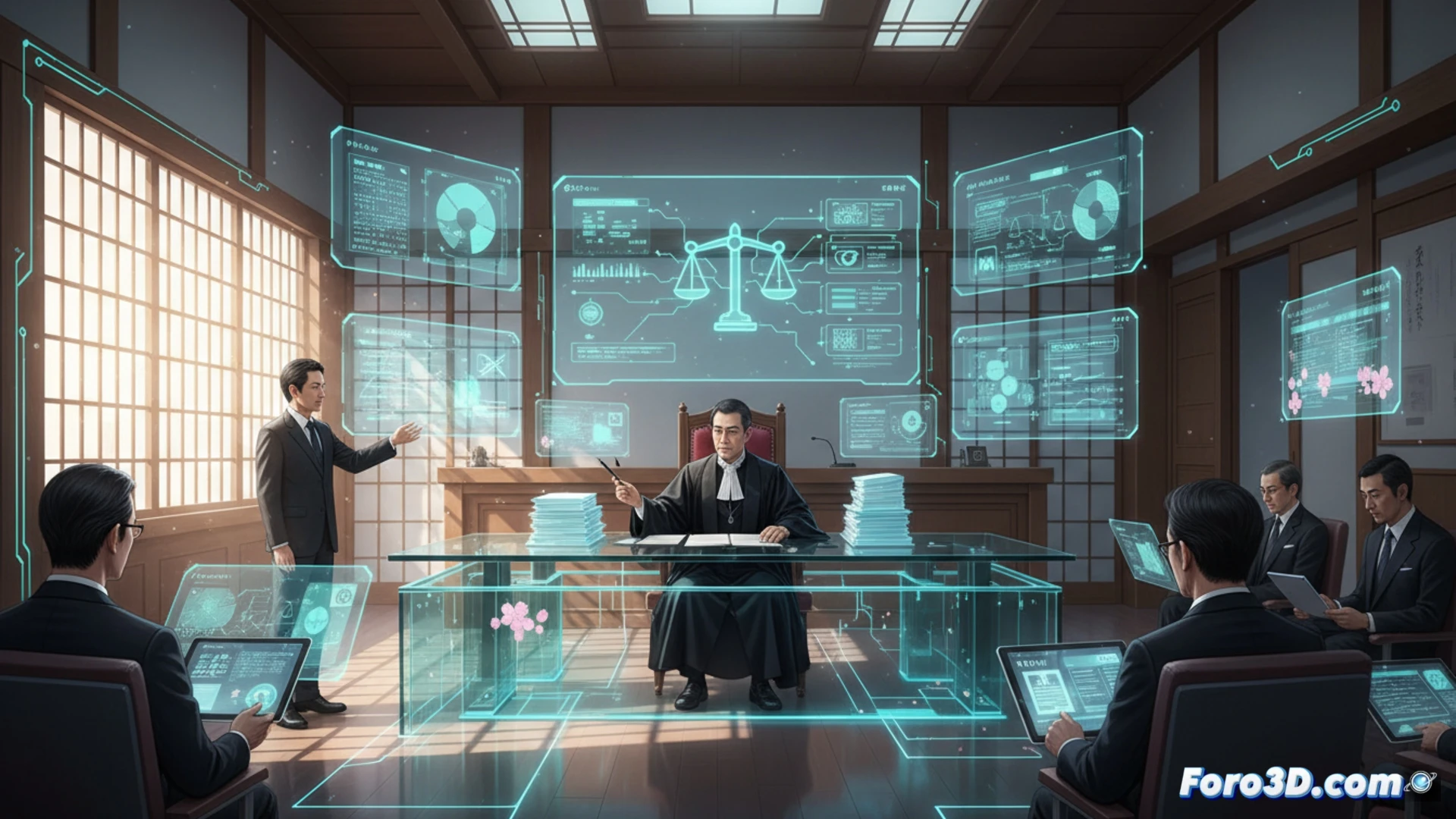
How the new Japanese judicial platform works ⚖️
The system is based on a centralized online platform where lawyers and citizens submit documents, attach evidence, and receive notifications. Hearings will be conducted via videoconference, and case files will be PDF documents with digital signatures. Japan implements a security protocol that includes two-factor authentication and data encryption, aligning with standards such as those in South Korea or Singapore. The challenge will be training older professionals.
The judge is now also a computer technician 💻
Finally, Japanese lawyers will save themselves from carrying folders that weigh as much as a tank. But watch out: on the first business day, some lawyer will forget their password and call tech support in tears. And the judge, instead of reading the complaint, will have to explain how to attach a PDF. Justice will be faster, but the digital chaos promises its own round of trials.