Japan plans to implement QR codes on food labels so consumers can access nutritional information, ingredients, and allergens digitally. By simply scanning the code with a smartphone, updated data on origin and nutritional value can be consulted. This measure aligns with a global trend toward digitalizing labels, aiming to improve readability and transparency in food products.
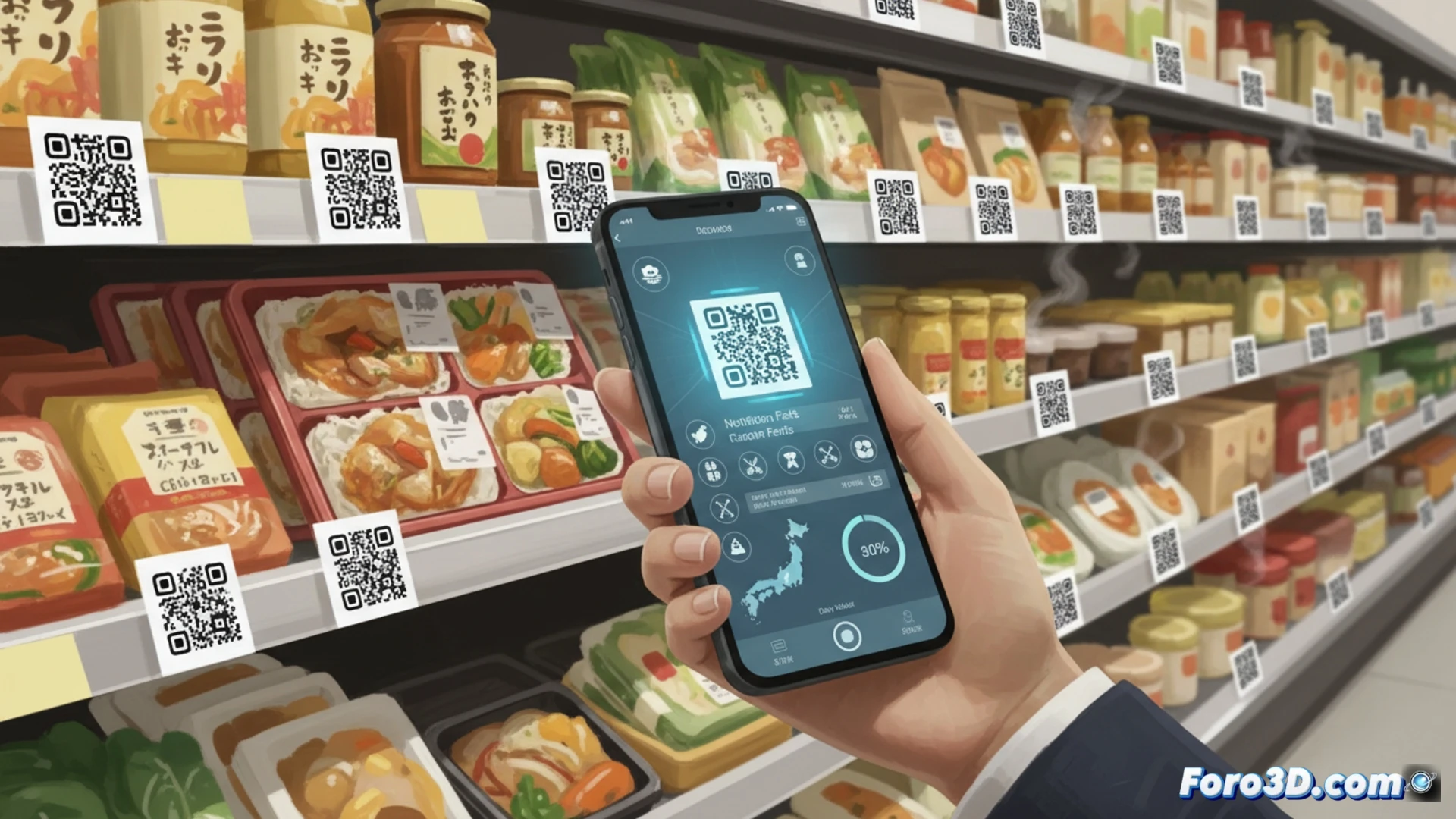
QR codes as a bridge to dynamic data in food 📱
QR technology allows storing links to centralized databases where information can be updated without reprinting labels. This makes it easier to include details such as batch traceability, certifications, or changes in allergens. Manufacturers must ensure that the codes redirect to accessible content compatible with standard readers. For consumers, the process is simple: open the camera, scan, and get data on screen. However, effectiveness will depend on users having an internet connection at the time of purchase.
Goodbye magnifying glasses, hello selfies with yogurt 😅
Soon, instead of squinting at ant-sized letters on the packaging, you'll be able to pull out your phone and snap a photo of the code. Of course, as long as you have battery, data, and aren't at the supermarket with your hands full of bags. Because, let's be honest, nothing says the future like having to scan a yogurt to know if it has lactose while your child cries and milk spills on the floor. At least, the labels will remain illegible for those who left their phone at home.