Manuel Jabois publishes La víspera, a novel about the silences that sustain families. In an interview, the writer criticizes the trend of verbalizing every aspect of education, confessing that he finds it off-putting to see parents sitting down to talk about sex with their children. Jabois argues that children should discover certain topics on their own, just as his generation from the 80s learned on the street or at school.
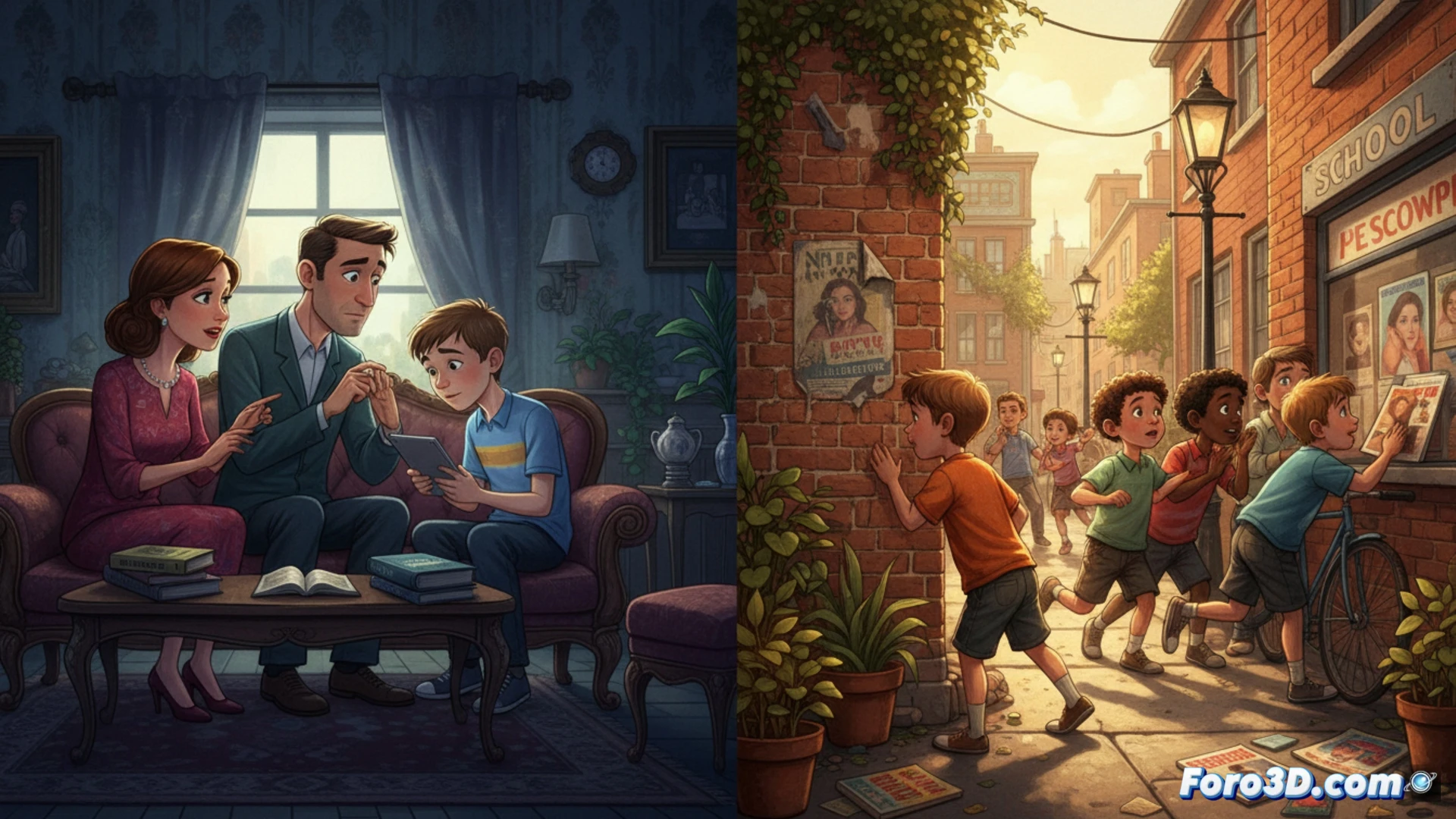
The technology of discovery: algorithms against silence 🤖
Jabois's stance clashes with the design of current platforms, where algorithms push sexual content to children from an early age. While he defends organic learning on the street, recommendation systems have eliminated that margin of discovery. The technical challenge for developers is to create filters that neither overprotect nor expose minors, a balance that neither language models nor moderation APIs fully resolve.
The ultimate patch: talking to children like in 1985 🕹️
Perhaps the solution is not a new algorithm, but a return to the 80s manual: leaving forgotten magazines in the living room and waiting. While parents schedule awkward talks with PowerPoint, Jabois suggests that silence also educates. A stance that, in the midst of an era of constant notifications, sounds like a factory reset: turning off the phone and letting children make mistakes on their own.