The Islington council has confirmed the closure of Paradise Park nursery for July, affecting low-income families and children with special needs. Over 3,500 people signed a petition against the measure, but the service will disappear. Parents are now looking for places in other nurseries, which are more expensive or have long waiting lists. The decision has caused unrest in a community that depended on this resource.
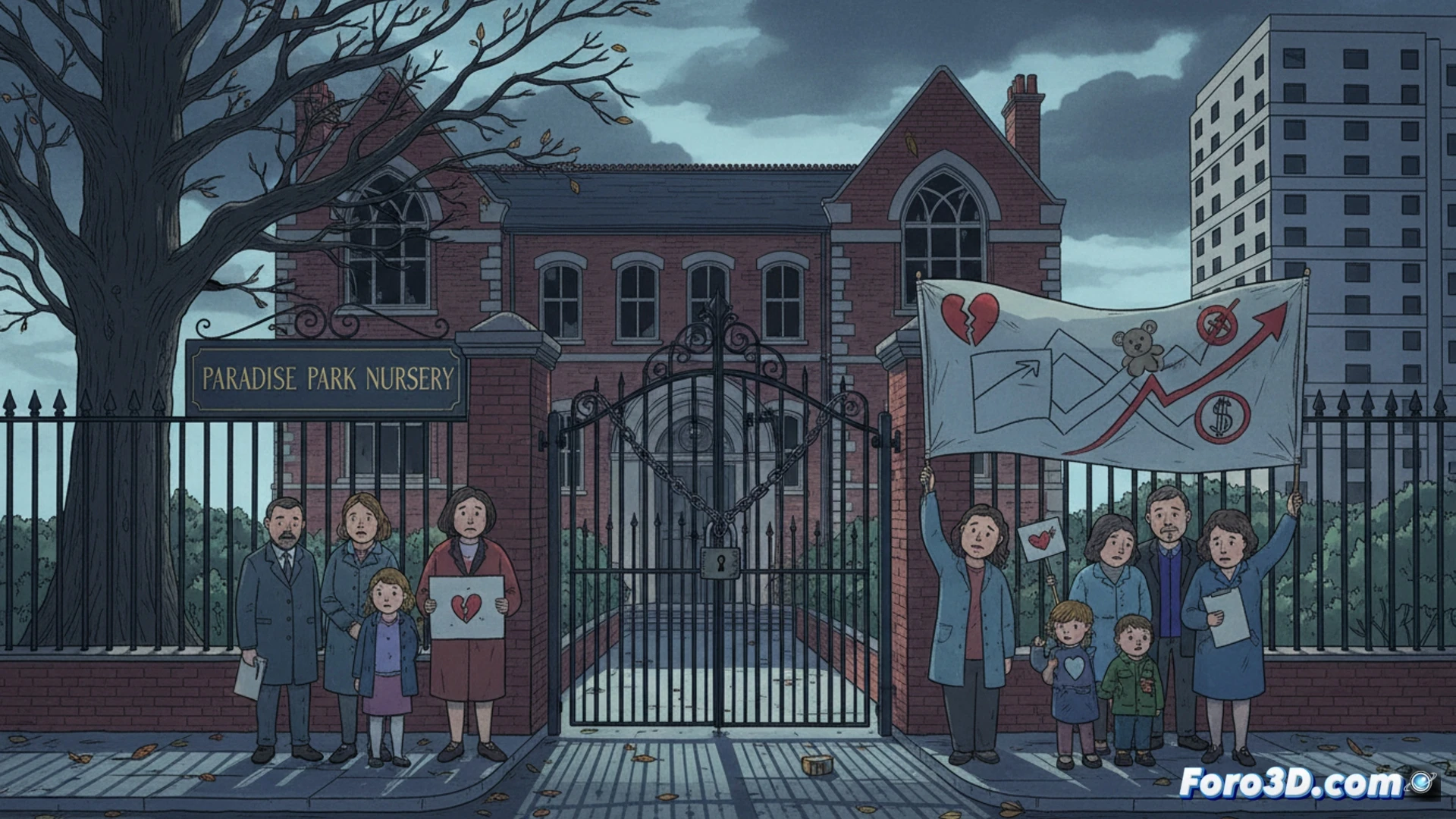
How the lack of open data hides the impact of the closure 🗺️
The council's website does not offer an updated map of available places in private nurseries or data on waiting lists. This forces parents to call each center one by one. A municipal app with geolocation and filters by price and special needs would ease the process. Without digital transparency, the search becomes manual and slow. Open source could be used to create tools that show the district's actual capacity, but there are no plans for that.
Even the park will be left without children to liven it up 😔
The name Paradise Park suggested an idyllic place, but the reality is that it will now just be a park. Children with special needs will have to explain to their parents what a waiting list is before learning to count. The irony is that the council will save money by closing the nursery, but parents will spend more on gas to take their children to distant centers. Circular economy was never so literal: money leaves one pocket and enters another.