Iran has announced the creation of a new body to manage maritime traffic in the Strait of Hormuz, a key route for 20% of global crude oil. After years of threats to close it, Tehran is taking action: it now seeks to charge tolls to ships passing through. The measure, presented as a mechanism of sovereignty, redefines control of this strategic route and strains international relations.
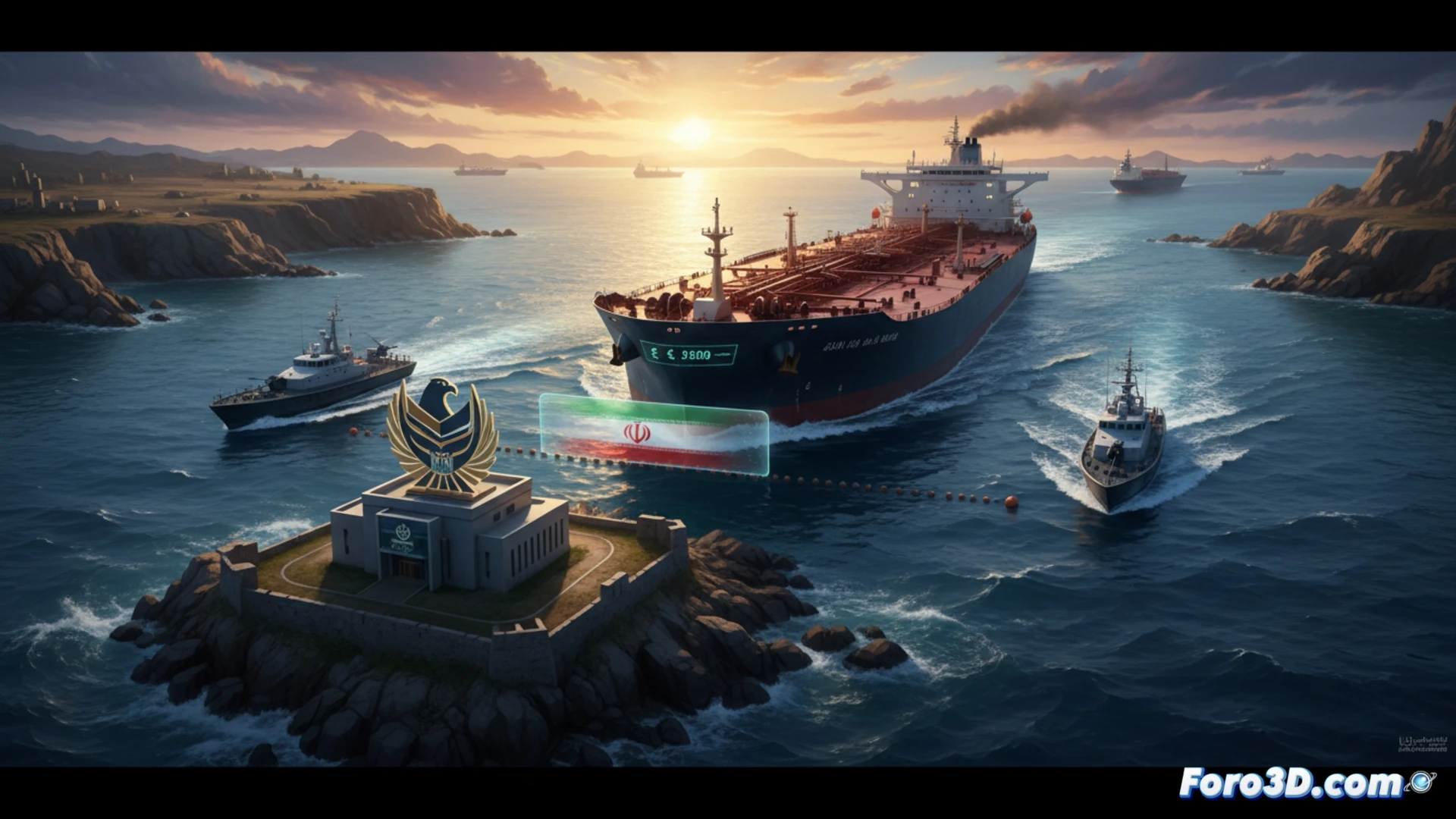
Technical mechanism: radar, drones, and variable fees 🚢
The new body, called the Strait of Hormuz Management Office, will operate with radar monitoring systems and naval drones to identify and register each vessel. Fees would be calculated based on tonnage and cargo type, with a variable scheme that could include discounts for Iranian tankers or penalties for ships from hostile countries. A control center is planned in Bandar Abbas, integrating real-time maritime traffic data. The technical implementation, however, faces logistical and diplomatic challenges.
Toll express: pay or swim 😅
Iran announces its new maritime toll, and one wonders if we will soon see toll booths floating in the strait. Perhaps tankers will need to carry small change to pay in cash, or go through a naval drive-thru with a window. The most curious thing is that Tehran considers this a premium service: it includes armed escort and a playlist of revolutionary anthems. If you don't pay, the alternative is to swim. Of course, dinghies are not included.