Underwear with silver ions promises a perpetual antibacterial shield, but the reality is different: the coating fades after the first few washes, leaving microparticles that irritate the skin and contaminate water. In the niche of 3D fashion and textiles, this problem opens a technical opportunity: simulating the degradation of the treatment before manufacturing a single garment, saving costs and avoiding environmental damage. 🧵
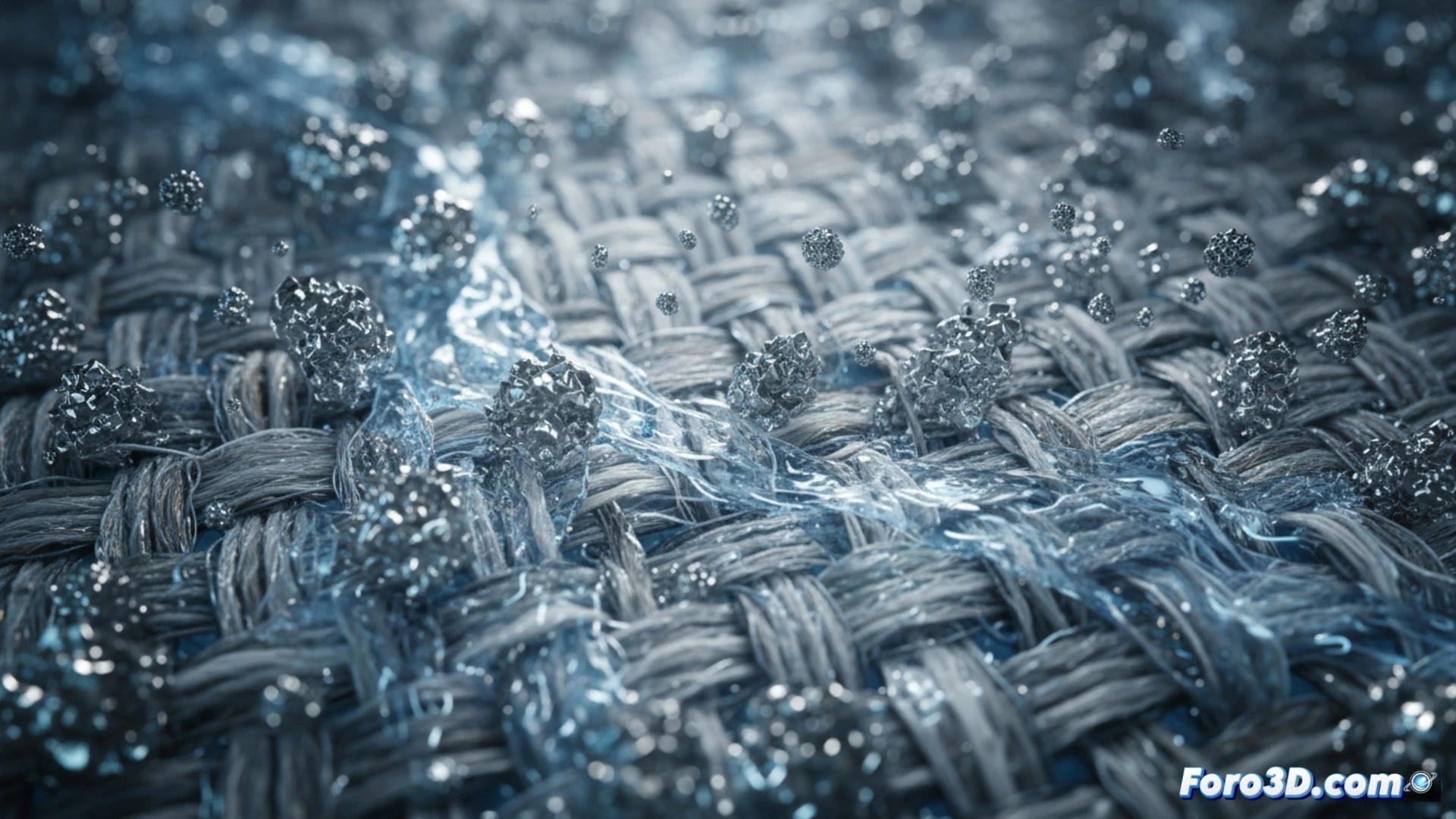
Modeling coating degradation on virtual fabrics 🧪
To address this failure, textile simulation software can integrate algorithms that calculate the loss of silver ions based on the number of wash cycles. By creating a fiber mesh with real physical properties, it is possible to assign a virtual layer of nanoparticles that progressively detaches with each simulated friction. Tools like CLO 3D or Marvelous Designer, combined with particle dynamics plugins, allow visualizing how the material redistributes over the textile surface and predicting critical points of dermal irritation. This approach not only evaluates the durability of the treatment but also models the release of microparticles into water during the virtual wash, offering quantitative data on the ecological impact.
Designing with awareness before producing 🌱
3D simulation is not only for aesthetics; it is an ethical tool for the industry. By predicting the failure of silver ions in the virtual environment, designers can opt for more stable alternative treatments or adjust the initial concentration of the coating to extend its lifespan. This avoids the commercial promise of permanent hygiene that the physics of washing disproves, and protects the user from irritations and the ecosystem from heavy metal pollution.
Is it possible to model in 3D the progressive loss of silver ions in the textile microstructure after wash cycles to visually predict its residual antibacterial efficacy?
(PS: Designing fashion in 3D has the advantage that you never have to sew a button.)