3D technology is transforming the craft of building inspection, making it possible to detect cracks, moisture, or deformations without the need for scaffolding or destructive testing. A drone equipped with a laser scanner can generate a point cloud of the property in minutes, revealing problems invisible to the naked eye. Programs like Autodesk Revit, RealityCapture, or FARO Scene are essential for processing that data and creating accurate models for the final report.
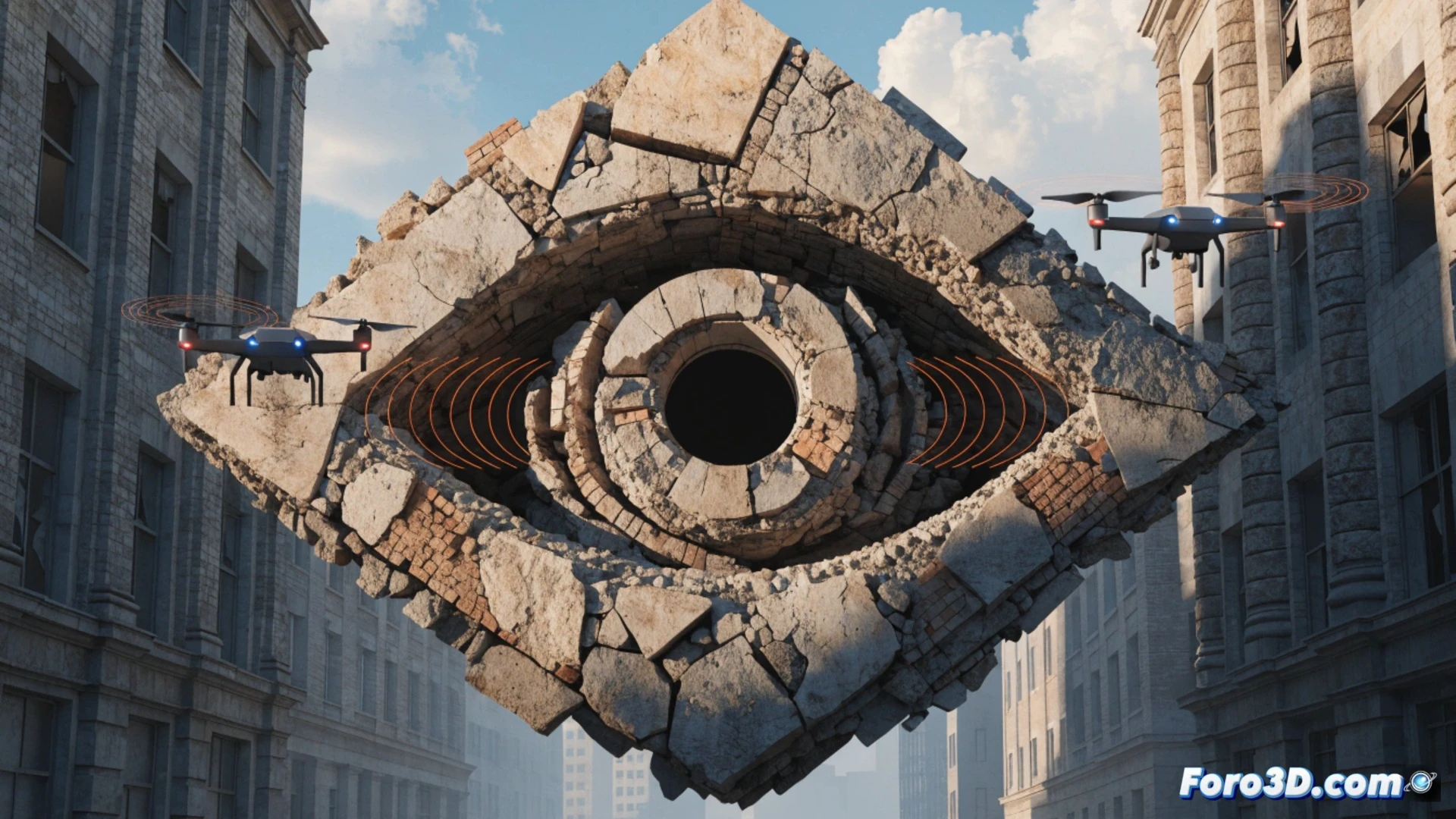
Point cloud and digital twin: the new clinical eye 🏗️
3D scanning generates a point cloud that, when processed with software like Recap Pro or 3DReshaper, allows measuring millimeter deviations in beams, slabs, or facades. With a digital twin created in Revit or Archicad, the inspector can simulate loads, analyze structural pathologies, and plan repairs without setting foot on the construction site. This reduces occupational hazards and saves time in manual data collection, offering a more complete and verifiable diagnosis.
Goodbye to the notebook and chalk: the inspector 2.0 😅
Before, the inspector arrived with their flashlight, notebook, and chalk to mark cracks as if they were a Bauhaus doctor. Now, with a 3D scanner, they can sit in the office, view the building on screen, and point out defects without getting their suit dirty. The downside is that if the program crashes, they'll have to explain to the client that their building has a 404 error instead of a real crack.