3D technology allows the chemical engineer to model complex processes such as distillation or reactor flow before building them. A clear example is simulating the temperature distribution in a heat exchanger. This is done using programs like Aspen Plus for processes, and CFD tools such as ANSYS Fluent or COMSOL Multiphysics for detailed three-dimensional modeling.
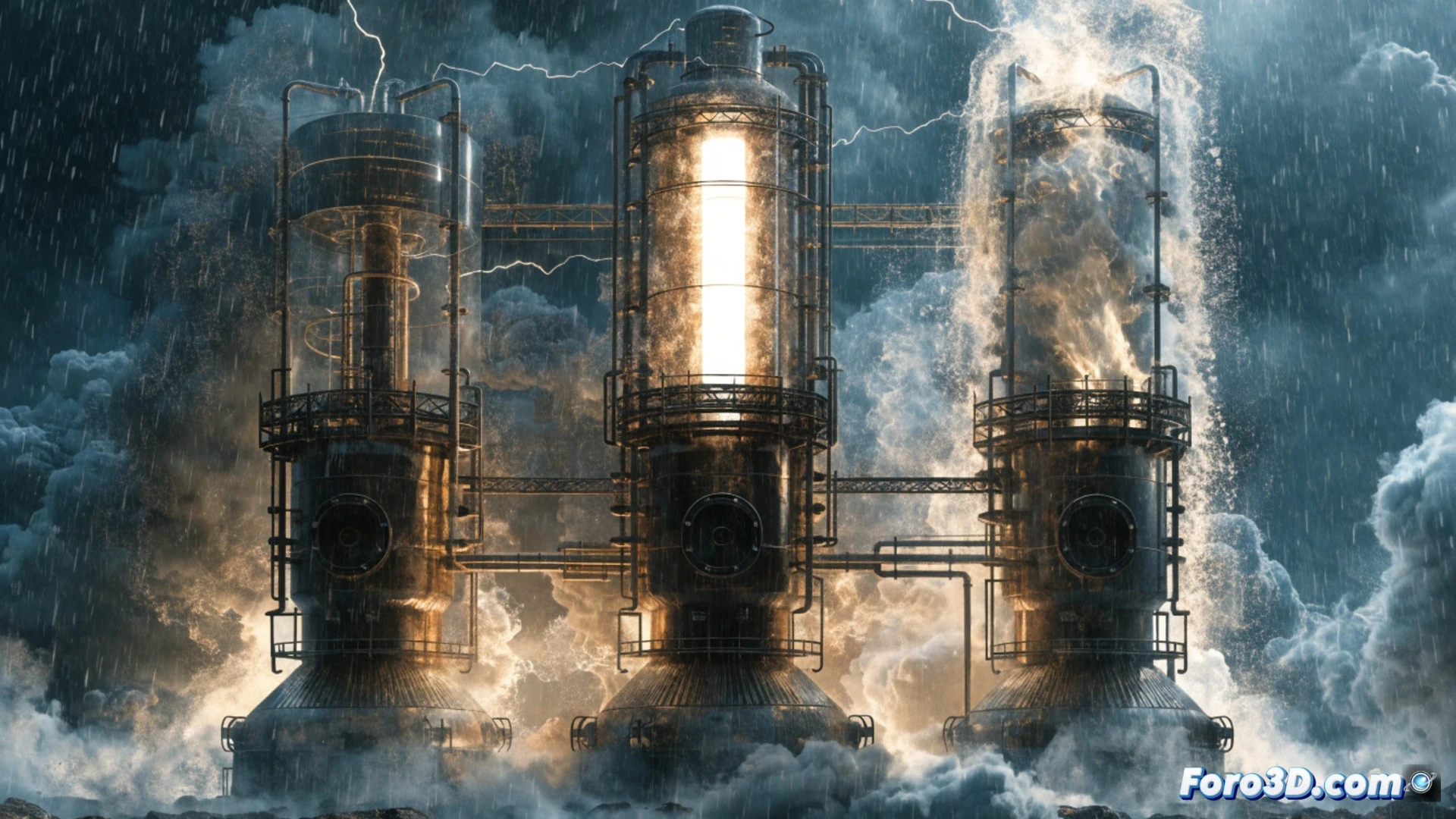
3D Flow Simulation: From Theory to Tangible Model 🧪
With software like Autodesk Inventor or SolidWorks, the engineer designs 3D equipment parts and integrates them into virtual plants. Then, using platforms like AVEVA PDMS or SmartPlant 3D, interferences between pipes and structures are reviewed before welding a single piece. This reduces costly errors. Volumetric visualization helps understand how a fluid behaves inside an absorption column, optimizing the design without physical prototypes.
When the Virtual Reactor Laughs at Your Spreadsheet 🛠️
Because we all know that on paper the reactor works perfectly, until the 3D shows you that the pipes collide with the emergency staircase. That revelation is usually accompanied by a cold coffee and the certainty that the boss won't understand why everything needs to be redrawn. But hey, better an error on screen than a real sulfuric acid leak.