3D technology transforms civil engineering by allowing structures to be visualized, simulated, and corrected before laying a single brick. Gone are the paper blueprints that get stained with coffee. Now, bridges, roads, and tunnels are modeled in digital environments where every beam and joint has virtual volume and weight.
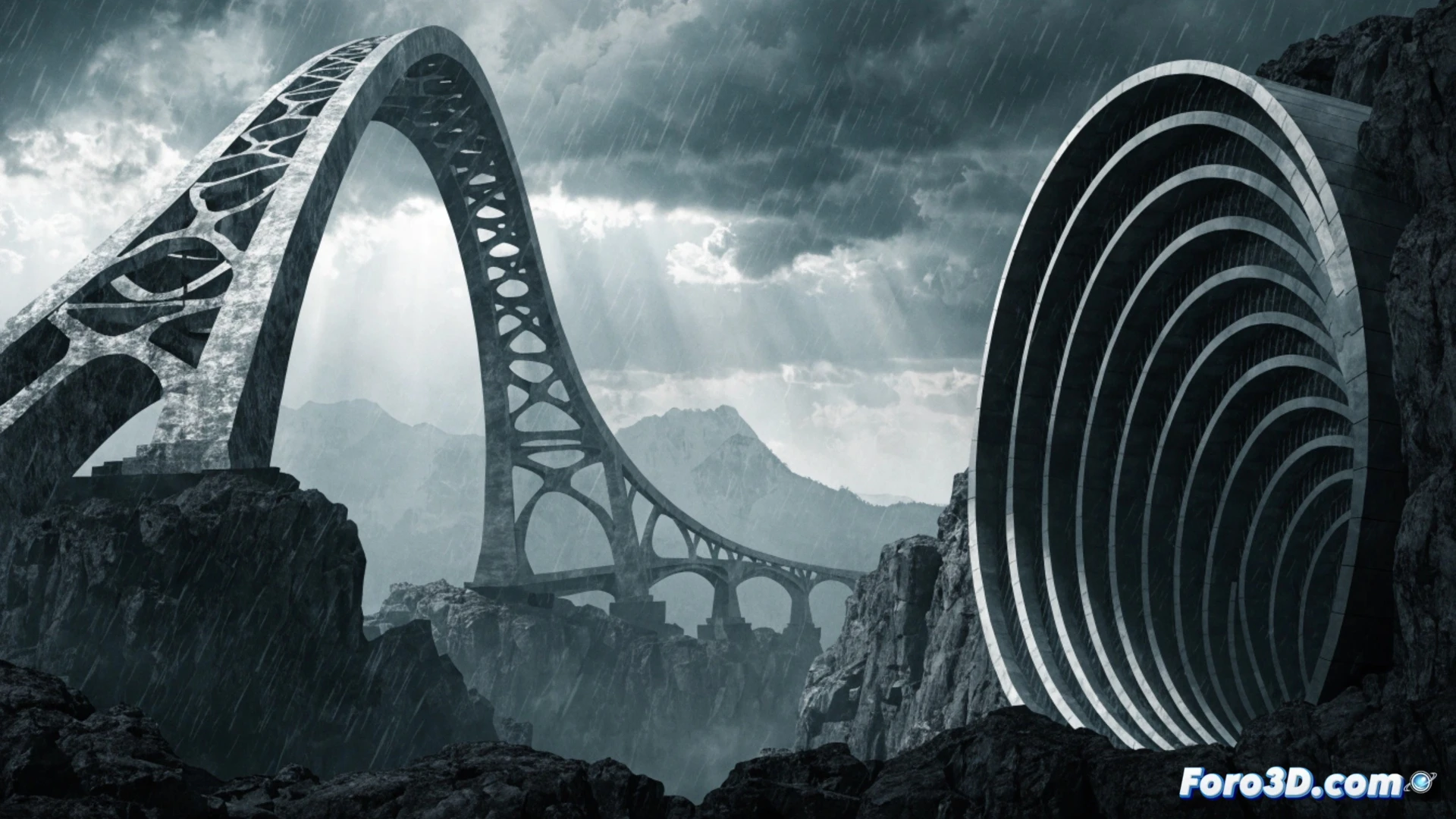
BIM modeling and structural simulations in practice 🏗️
A clear example: designing an overpass on a highway. With software like Autodesk Revit or Civil 3D, a BIM model is created that integrates geometry, materials, and loads. Then, with tools like SAP2000 or ANSYS, behavior under wind, traffic, and earthquakes is simulated. This allows detecting conflicts between pipes, beams, and cables before pouring concrete. The result: fewer errors on site and savings on unforeseen demolitions.
When 3D saves you from a pillar in the middle of the living room 😅
Because yes, before 3D modeling existed, some sleepy engineer placed a pillar right where the owner's sofa was going. Today, with a three-dimensional model, you can move that column before the client calls crying. 3D doesn't prevent the boss from requesting last-minute changes, but at least it lets you see on screen how that concrete arch looks ridiculous next to the window.