3D technology offers practical solutions for the fishmonger trade, a sector where efficiency and presentation make the difference. From designing custom display cases to manufacturing cutting tools, 3D modeling and printing allow optimizing space in the market and reducing tooling costs. This is not science fiction, but rather applying parametric design to everyday counter problems.
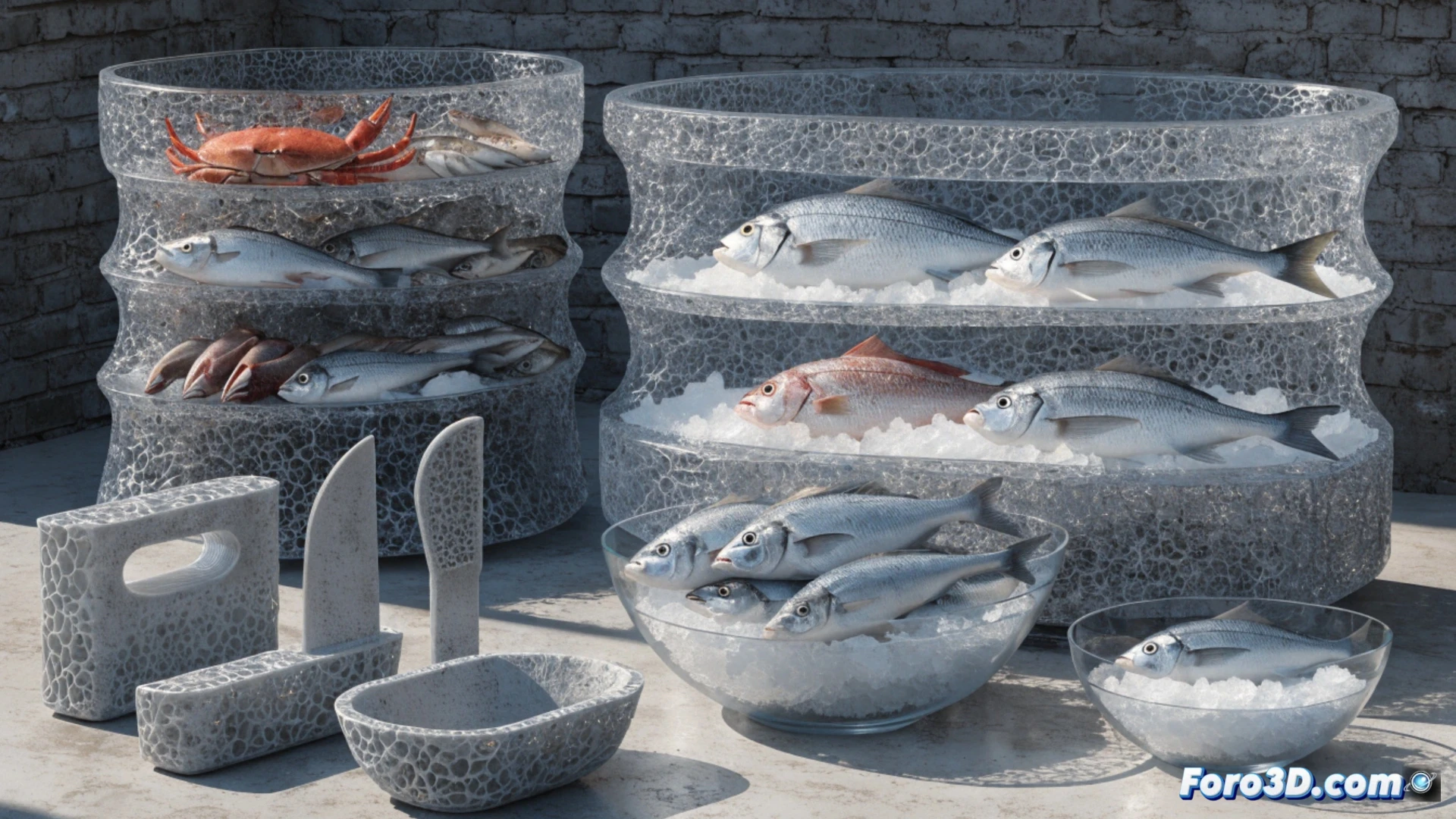
3D Modeling for Tooling and Custom Displays 🐟
To start, you need modeling software like Blender (free) or Fusion 360 (with an educational license) to design trays with optimized drainage or knife holders. Then, an FDM printer with food-safe filament, such as PETG or polypropylene, allows manufacturing parts resistant to saltwater. A concrete example: creating a fillet gauge with thickness guides, reducing product waste and standardizing portions. The process involves exporting to STL, slicing with Cura or PrusaSlicer, and printing at 0.2 mm layer height.
When the Salmon Calls for Spare Parts 🛠️
Because yes, you can also print the handle of the cold storage room that broke on a Friday at eight in the evening, just when the hake order arrives. Forget waiting until Monday or fixing it with duct tape. With a digital caliper and a little patience, you model the part in fifteen minutes and print it while you prepare the ice. The only risk is that the apprentice confuses the filament with the cod batter, but that's their own business.