A Spanish technological institute has integrated 3D printing into the manufacturing of personalized medical products. Prostheses, splints, and surgical guides are now designed to fit each patient's anatomy exactly. This reduces costs, speeds up production, and improves treatment precision. For citizens, this means more tailored and effective medical care, where each device fulfills its function without needing subsequent adjustments.
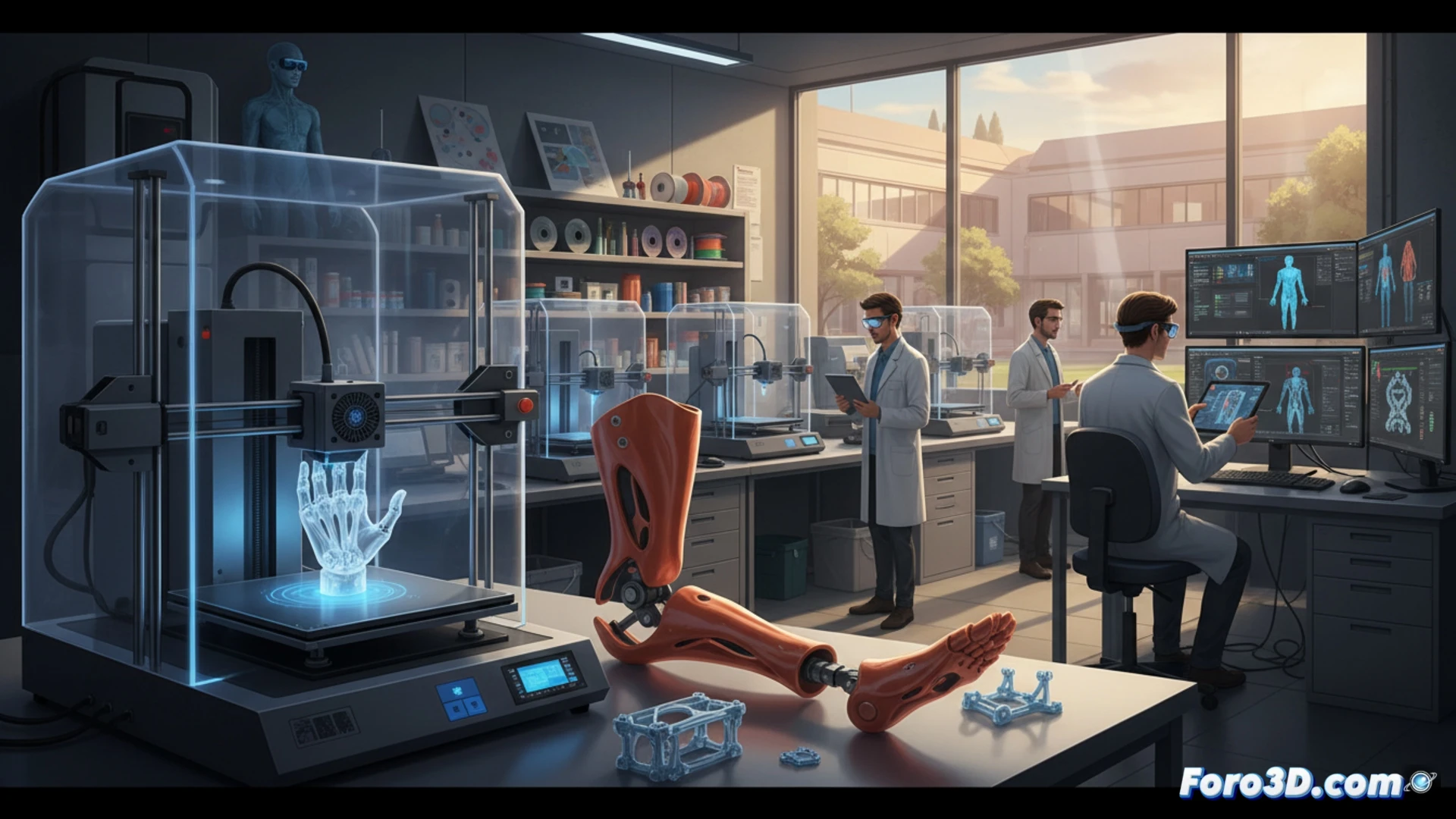
Scanners and 3D modeling for surgical devices 🏥
The process begins with a three-dimensional scanner that captures the patient's area. With that data, modeling software generates a custom design that is sent directly to the printer. Biocompatible materials such as PLA or medical resins, capable of withstanding sterilization, are used. A splint that previously required days in the workshop is printed in hours. Surgical guides, which indicate to the surgeon where to cut or drill, are manufactured with minimal margin of error, reducing operating time and anesthesia exposure.
Goodbye to plaster; hello to plastic that doesn't itch 😅
Anyone who has worn a traditional cast knows that scratching with a ruler is an Olympic sport. Now, 3D-printed splints are ventilated, lightweight, and best of all, they don't cause that stale sweat smell that gave the patient away on the bus. And if the prosthesis doesn't fit, no problem: the file is modified in five minutes and reprinted, without having to endure the reproachful look of the traumatologist on duty. Technology arrives so that the patient suffers less and the doctor doesn't have to make up excuses.