3D technology is transforming pediatrics by enabling realistic anatomical models for planning complex surgeries. A clear example is the reconstruction of children's hearts from CT scans, facilitating precise interventions. Programs such as 3D Slicer, Materialise Mimics, and modeling software like Blender or Meshmixer are used for this purpose.
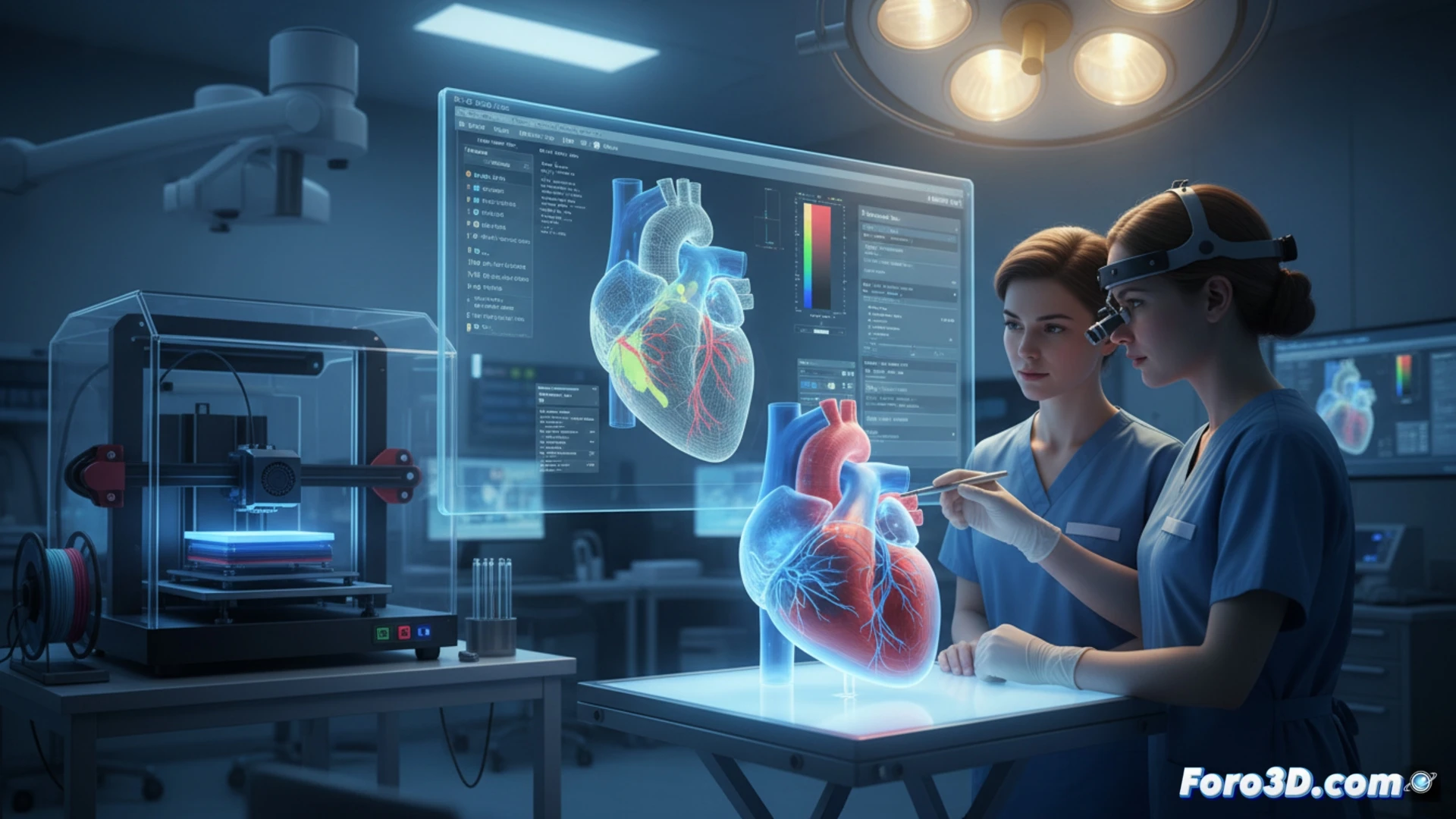
Precise modeling with real patient data 🏥
The workflow begins with DICOM files from MRI or CT scans. Programs like InVesalius or Slicer segment the structures and generate 3D meshes. Then, tools like Autodesk Meshmixer or Fusion 360 allow refining the model and designing surgical guides. Printing is done in biocompatible resin or PLA, depending on the use: planning or practical simulation.
When the patient cries more than the printer 😅
Of course, nothing like explaining to a three-year-old that they are going to scan their chest to make a doll of their heart. While the 3D printer hums without complaint, the little patient screams as if they were having a tooth pulled. That said, when they see the plastic replica of their own organ, they fall silent and ask if they can color it with markers. Technology advances, but the consultation room is still a circus.