The profession of a mining technician has always relied on 2D plans and physical models. 3D technology makes it possible to transform geological data into precise volumetric models. This helps visualize veins, calculate gallery stability, and simulate excavations before moving a single gram of earth. A clear example is recreating a tunnel with geological faults to plan reinforcements.
From point cloud to workshop: key software for daily use 🛠️
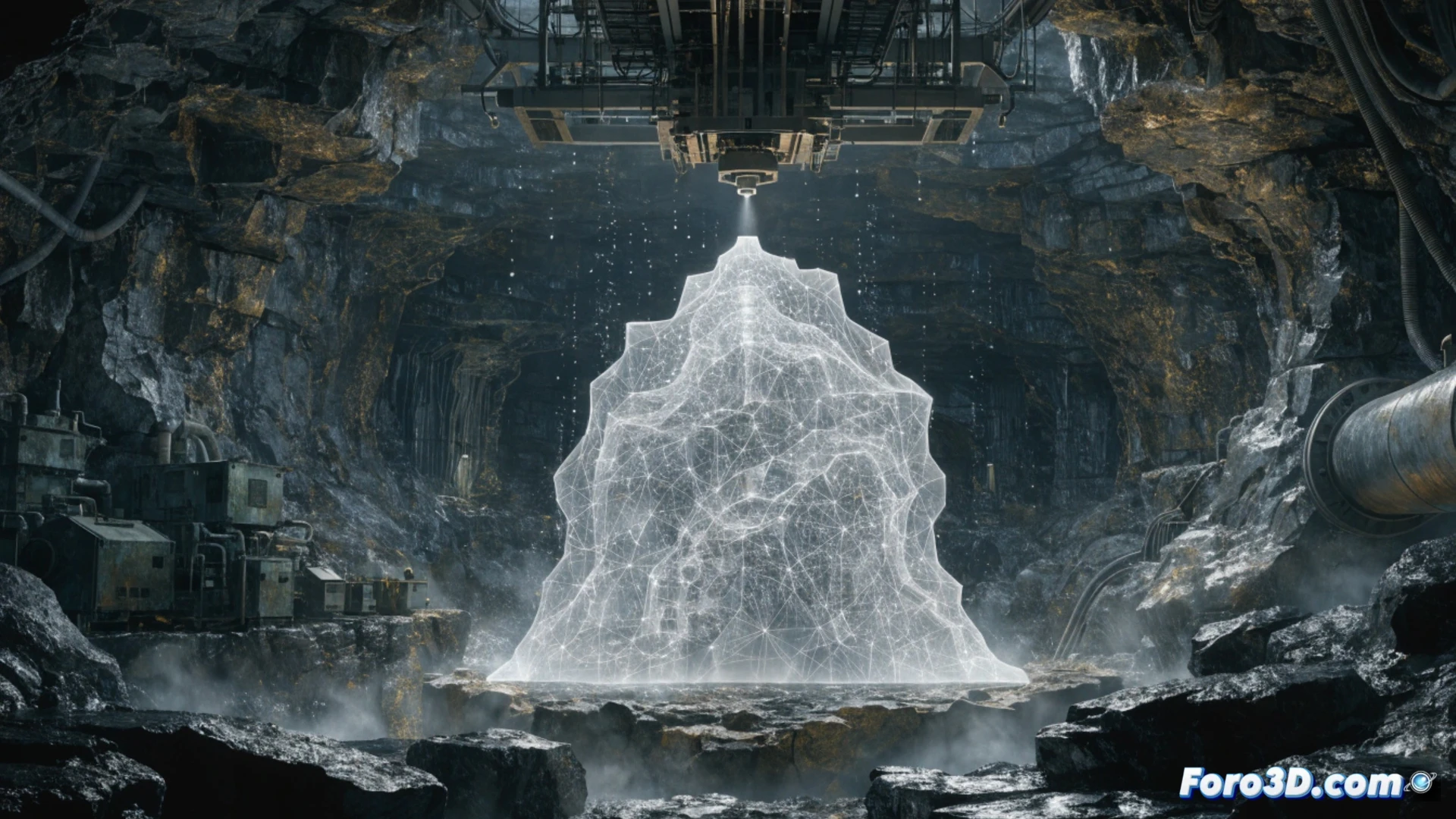
To work with real mine data, programs like Surpac or Datamine are used, which model mineralized bodies in 3D. For drone or laser scans, CloudCompare and Autodesk ReCap process point clouds. Then, with Blender or Fusion 360, spare parts for machinery can be designed and sent to a 3D printer. This workflow reduces wait times and avoids long shutdowns.
Without 3D, you'd still be calibrating by eye and with a hammer 🔨
Before, if a conveyor belt support failed, the technician would improvise with a piece of iron and two nuts. Now, with a quick scan and a 3D printer in the camp, you can have the exact part in hours. The funny thing is that some colleagues still prefer the hammer method, but then complain that the repairs last less than a piece of gum in your mouth.