3D technology is transforming the role of the food operator by enabling the manufacturing of custom tooling, spare parts, and food molds. A clear example is dosing nozzles for sauces or chocolates, which can be redesigned and printed in hours. The necessary programs include Fusion 360 or SolidWorks for modeling, and Cura or PrusaSlicer for slicing.
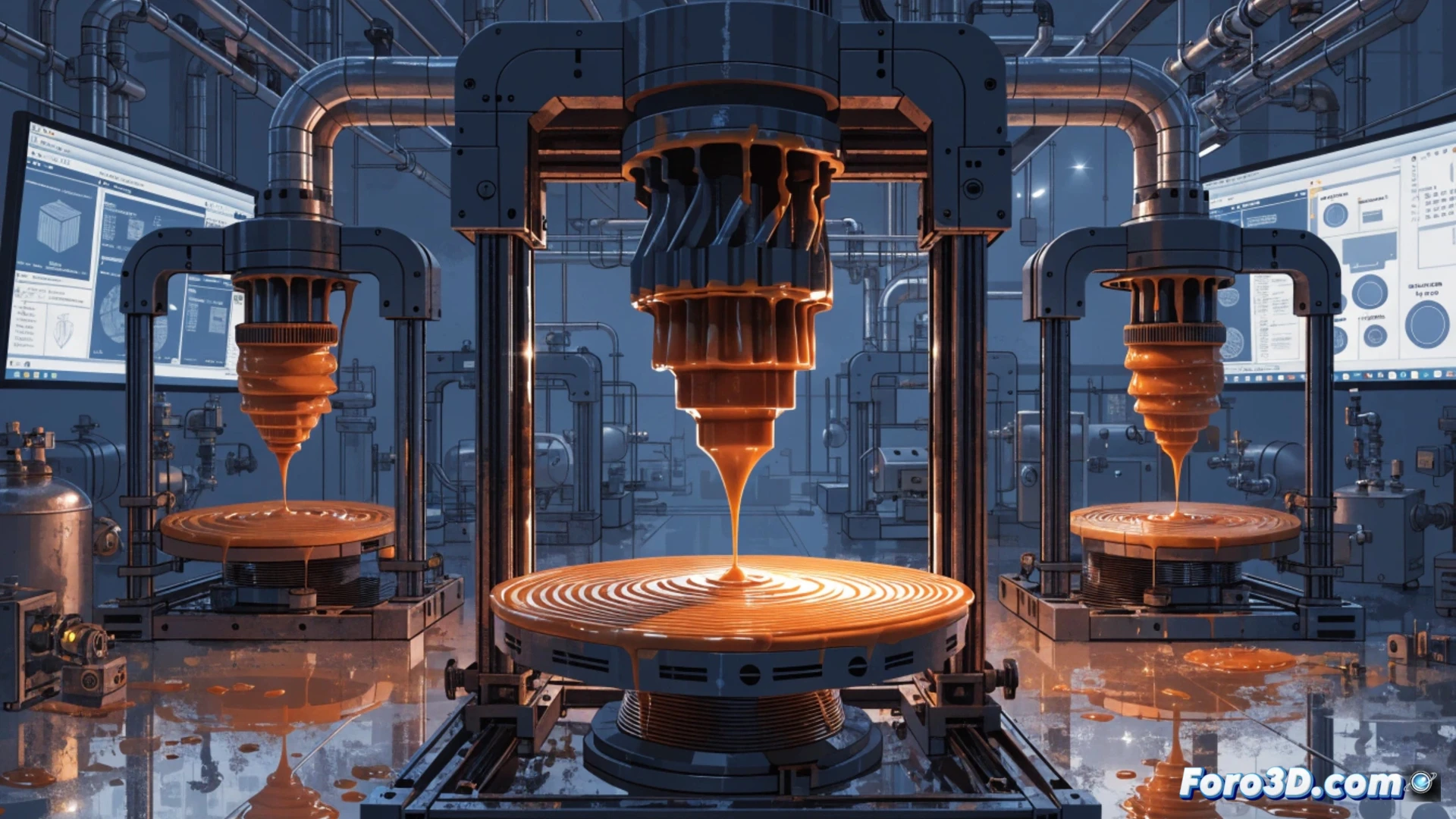
Digitalization and rapid prototyping on the factory floor 🖨️
The operator can scan a broken part with a 3D scanner like the Revopoint or use digital calipers to measure it, then model the replica in Tinkercad or FreeCAD. The desktop 3D printer (such as the Creality Ender 3) manufactures the part in food-grade PLA in less than a day. This reduces line downtime, avoids costly external orders, and provides direct control over the production of auxiliary tools like tweezers or supports.
Goodbye to duct tape as a universal solution 🛠️
Finally, operators can retire the duct tape and zip ties that held the barbecue sauce nozzle in place. Now, instead of praying it doesn't come loose during the night shift, you print a custom threaded adapter. But don't get too confident: the first printed part will probably end up in the trash because you measured the diameter wrong, but hey, the process is more modern than chewing gum.