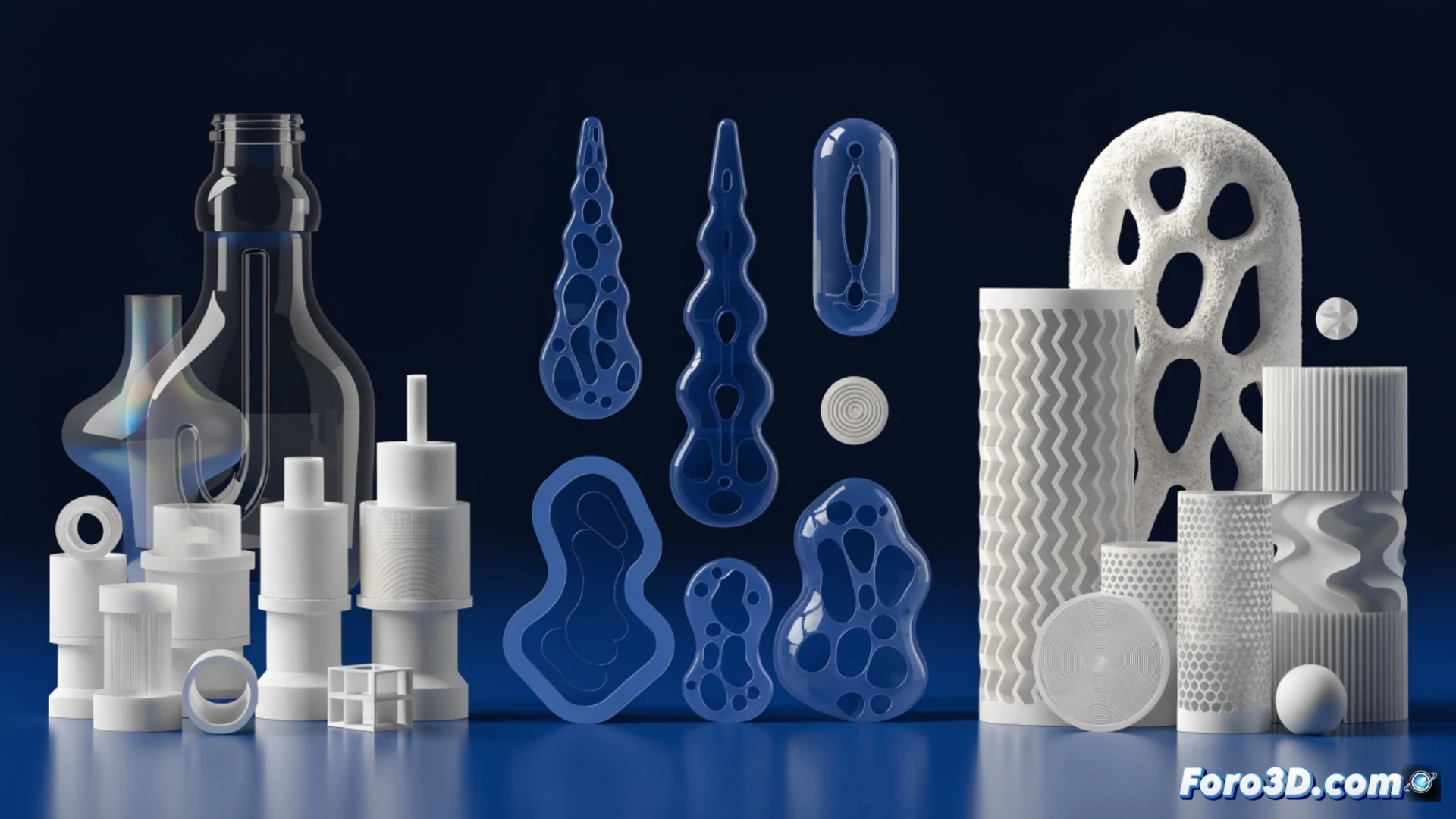
The pharmaceutical operator does not only handle tablets. Their work includes equipment maintenance, warehouse organization, and dosage adjustments. 3D technology allows for the manufacturing of spare parts for encapsulating machines, or custom molds for pediatric suppositories. A direct example: printing an adapter for a syrup dispenser that fits non-standard bottles, saving hours of catalog searching.
Programs and workflow for the pharmaceutical workshop 🛠️
For modeling simple parts like a test tube holder or a threaded cap, Tinkercad or Fusion 360 is used. The process is straightforward: measure the original object with a digital caliper, draw the model in the software, export it to STL, and send it to a printer like the Creality Ender 3 or an Ultimaker. PLA or PETG filaments are sufficient for non-sterile environments. For parts requiring chemical resistance, polypropylene filaments are chosen.
When the printer decides to act up in the pharmacy 😅
Of course, everything goes well until the printer decides that the dispenser adapter is actually an abstract octopus sculpture. And there you are, in nitrile gloves and a lab coat, trying to explain to the head pharmacist that the filament got tangled just because, because the printer has a mind of its own. But in the end, when you get that piece that fits perfectly, you feel like MacGyver but with more talcum powder.