The reproduction of a sacred object through additive manufacturing has opened a complex legal debate. When an individual digitizes and distributes a 3D model of a relic or religious icon without authorization, multiple layers of rights overlap: from the intellectual property of the original design to the protection of intangible cultural heritage. This case not only questions the legality of the copy, but also the responsibility of the platforms hosting these files.
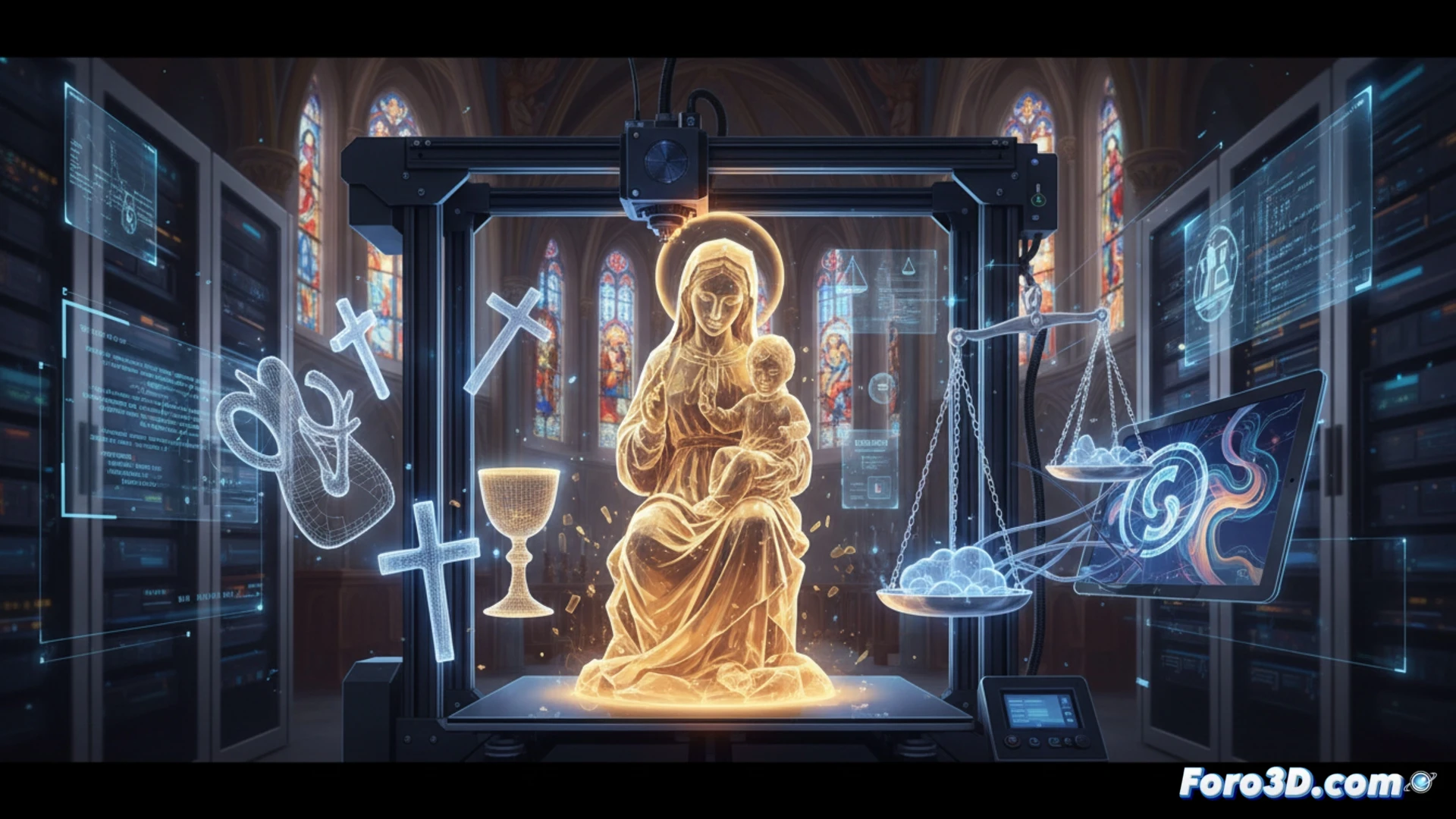
Legal framework applicable to the digital counterfeiting of heritage assets ⚖️
From a copyright perspective, a sacred object may be protected if it is an original work with sufficient creativity, although many ancient religious pieces are in the public domain. However, if the object is a modern reproduction or a registered artistic interpretation, its scanning and subsequent 3D printing constitutes a clear copyright infringement. Additionally, image rights come into play if the object is associated with a brand or religious entity. 3D model sharing platforms, under regulations such as the DMCA in the United States or the Copyright Directive in the EU, must remove infringing content upon receiving a valid notification, but the burden of proof falls on the rights holder.
Legal protection and alternatives for religious design in the digital age 🛡️
To shield a sacred object from unauthorized reproduction, rights holders must register the design as a utility model or industrial design patent, provided it meets the requirements of novelty and individual character. It is also feasible to use Creative Commons licenses with restrictive clauses prohibiting commercial printing or modification. At the heritage level, states can declare certain objects as assets of cultural interest, which penalizes their counterfeiting even without profit motive. Ultimately, dialogue between religious creators and digital platforms will be key to establishing codes of good practice that respect faith without hindering technical innovation.
When an individual digitizes and reproduces via 3D printing a sacred figure protected by the copyright of a cathedral, but argues private devotional use, does religious freedom prevail over intellectual property?
(PS: copyright is like bed leveling: without human intervention, everything comes out crooked)