Technical support faces broken or discontinued parts that paralyze equipment. 3D printing allows for the on-demand manufacturing of spare parts, reducing wait times and logistics costs. A technician can digitize a damaged part and produce it in hours, not weeks. This changes the way of working: from waiting to creating.
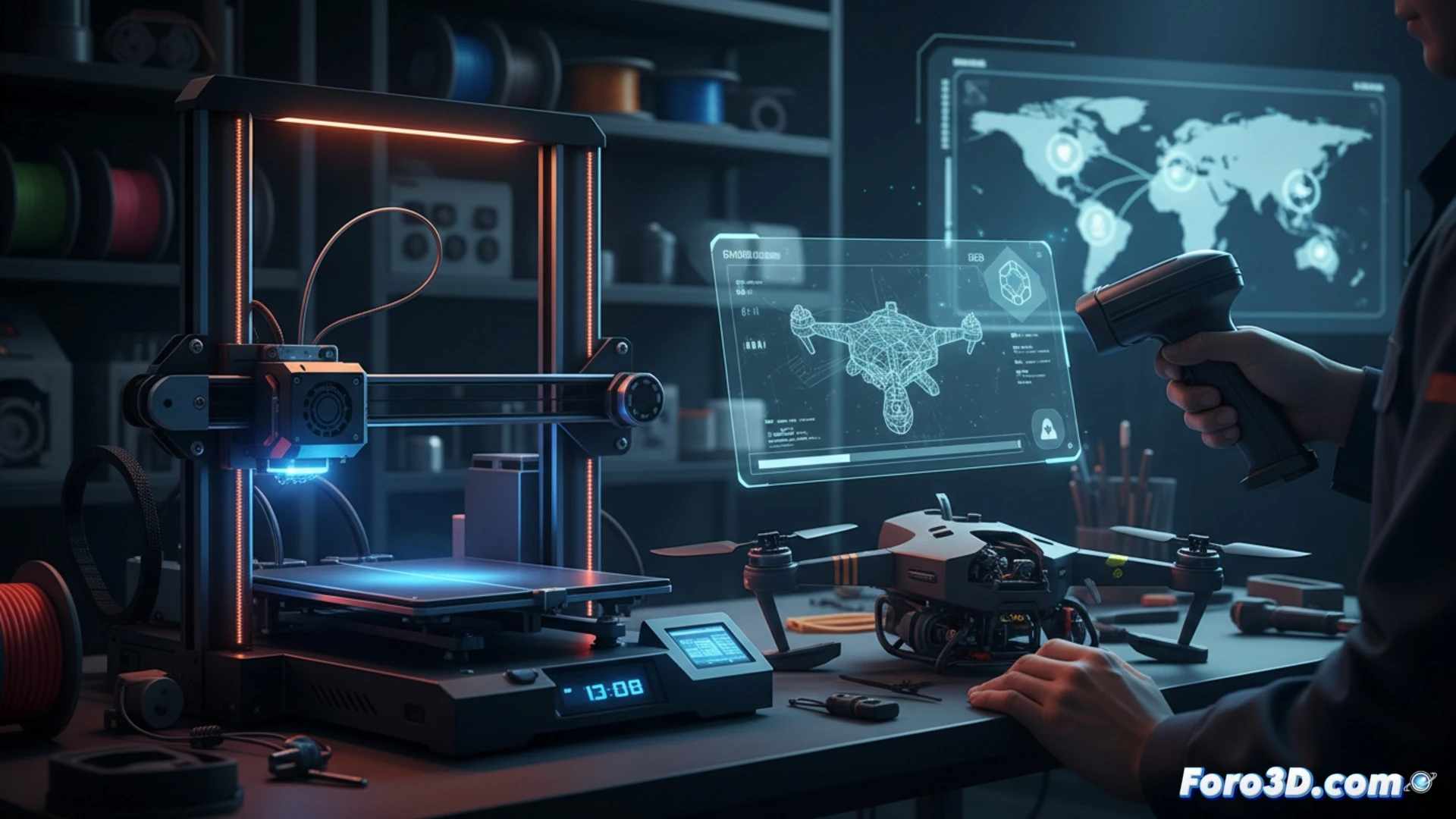
Workflow for manufacturing technical spare parts 🛠️
The process starts with a 3D scan using a structured light camera or photogrammetry with programs like Meshroom or RealityCapture. The model is then refined in Blender or Fusion 360. For printing, slicers like PrusaSlicer or Cura are used. A clear example: a broken plastic bracket on a Dell monitor. The part is scanned, modeled, and printed in PETG. The technician installs it, and the monitor works again without going back to the manufacturer.
When the 3D printer saves you from the intern 😅
We've all seen the intern break the latch on a DVD tray or a laptop lid. Before, you had to call the supplier and wait two weeks. Now, while the intern sweats, you model the part in ten minutes, print it, and have it ready by mid-afternoon coffee. That said, make sure the printer doesn't decide to fail just when you need it, because then the humor is gone.