A study in Materials Science & Engineering R suggests that 3D printing is ready to manufacture lithium batteries at scale. The trick lies not only in the chemistry but in how the structure is printed. If materials and processes are controlled, the 3D architecture becomes a determining factor in performance.
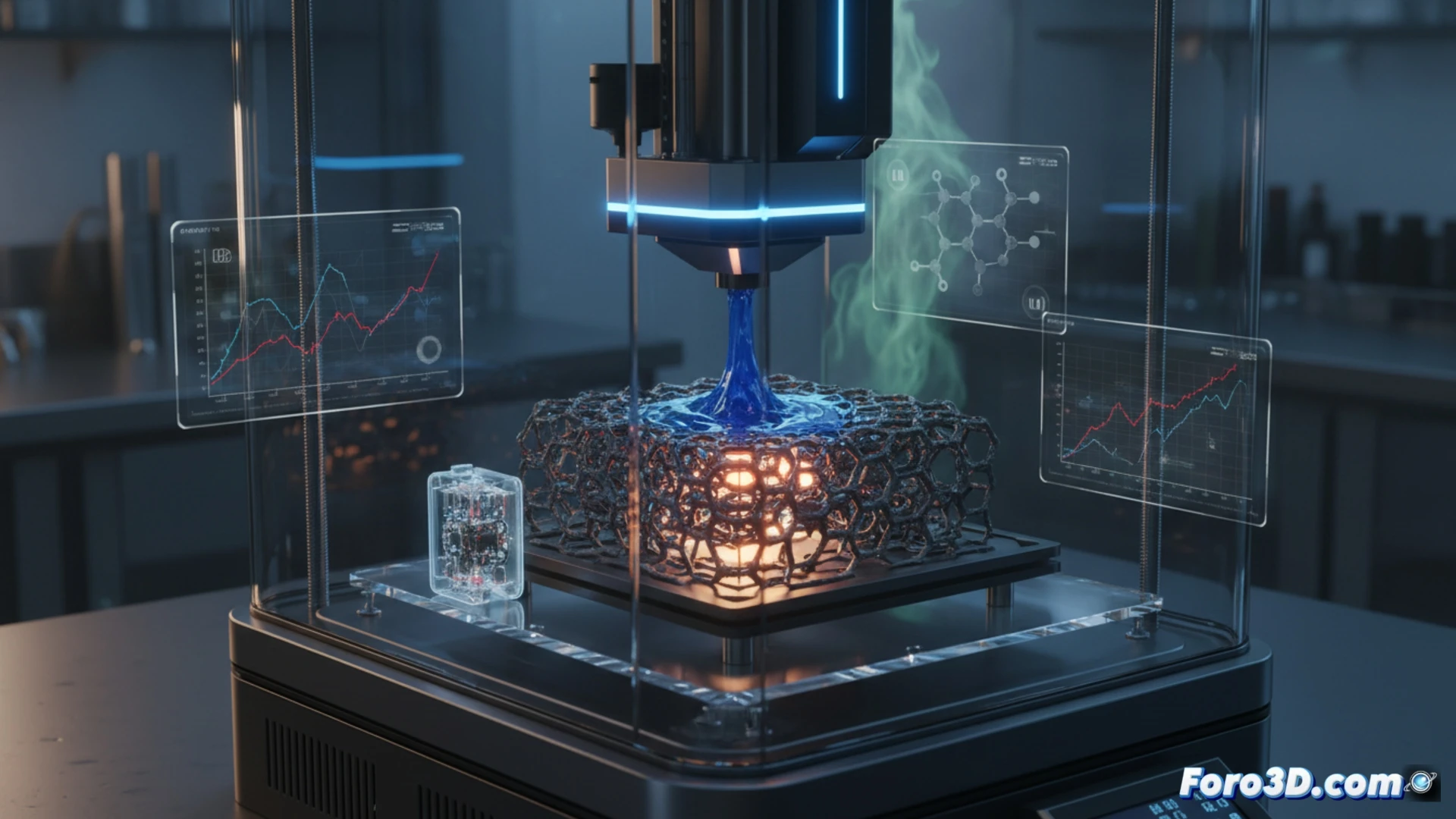
Four techniques compete to dominate the cathode of the future 🔋
The study analyzes experimental results from direct ink writing, laser powder bed fusion, photopolymerization, and fused deposition modeling. Each technique offers unique control over porosity and energy density. The key is that the printed geometry enables shorter ionic pathways and greater active surface area, overcoming limitations of traditional manufacturing methods.
Charge your phone while printing the charger ⚡
It turns out that the solution for batteries that don't die after two hours could be a printer that spits out layers of lithium like custard cream. That said, if the ink thickens, instead of an anode you'll have an expensive paperweight. The promise is tempting: donut-shaped batteries that fit into any gadget. Meanwhile, we'll keep charging our phones with a cable that feels like a shackle.