Aquaculture depends on specific equipment that often breaks or is unavailable in the local market. 3D technology allows for manufacturing spare parts for pipes, aerators, or cage structures in hours. A clear example: a fish farmer can design and laminate a custom oxygen diffuser for their pond without waiting weeks for importation. Required software: Fusion 360 for modeling and Ultimaker Cura for slicing.
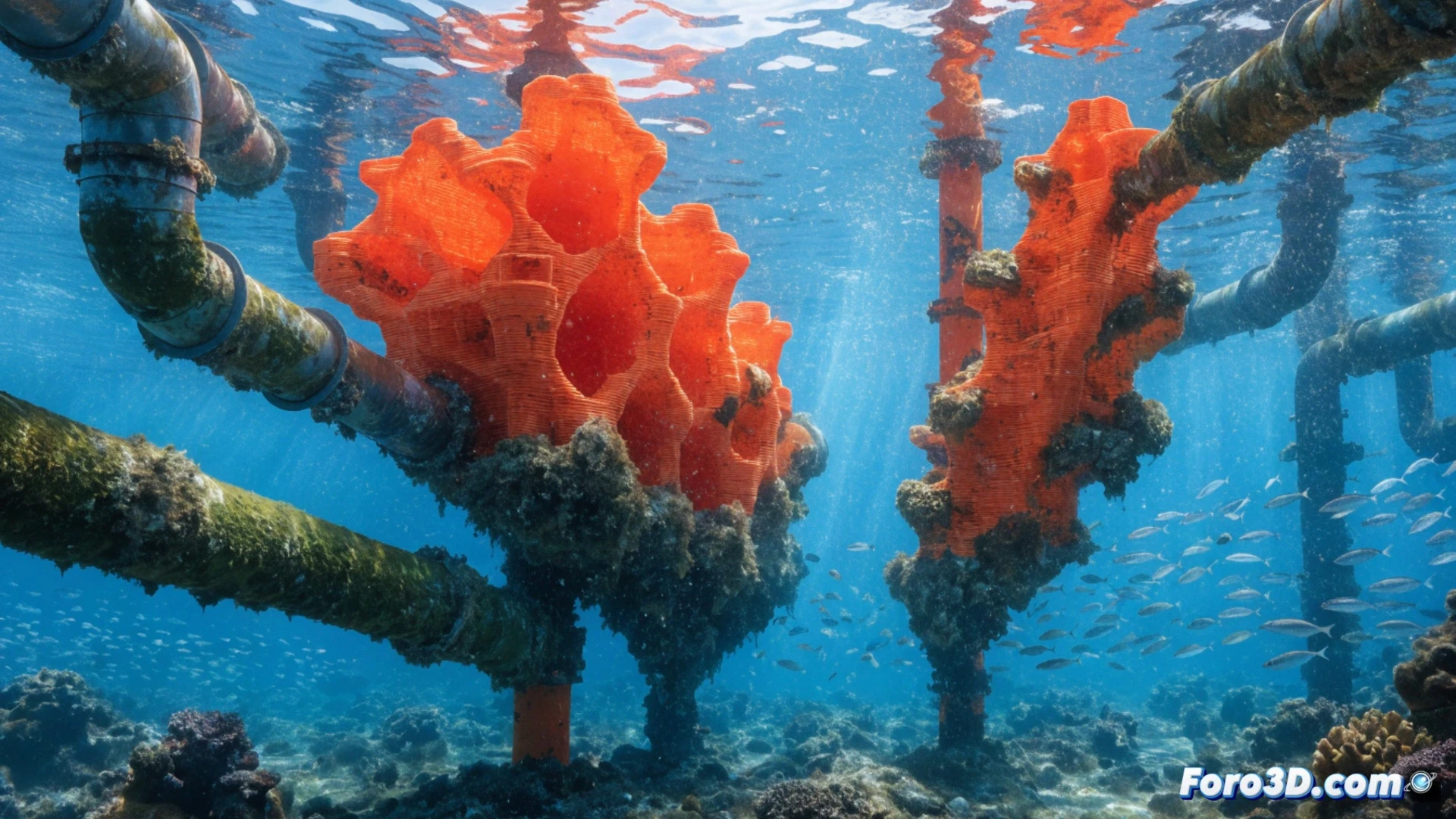
How to model a functional part for recirculating systems 🐟
To create a PVC connector with a non-standard thread, measure the original diameter with a caliper, draw it in Fusion 360 using the revolve tool, and export it as an STL. Then, in Cura, adjust the infill to 20% to save material and select PETG for its saltwater resistance. The process takes about three hours of printing. This avoids stopping production for a part that costs 0.50 euros of filament.
When the fish laughs at your printed part 😂
Sure, you print your own custom net float and discover that, when submerged, it floats so well that it shoots to the surface like a missile. Or worse: the part dissolves because you used PLA instead of PETG, and now you have a pond full of biodegradable confetti. But hey, at least the pufferfish has something new to play with while you wait for the original order. 3D printing isn't magic, just common sense with hot plastic.