A team of researchers has created an elastic implant manufactured with 3D printing that successfully reduces blood pressure in preliminary studies. The device adapts to arteries for more precise control of hypertension, offering an alternative to traditional oral medications. Trials confirmed significant decreases in blood pressure levels.
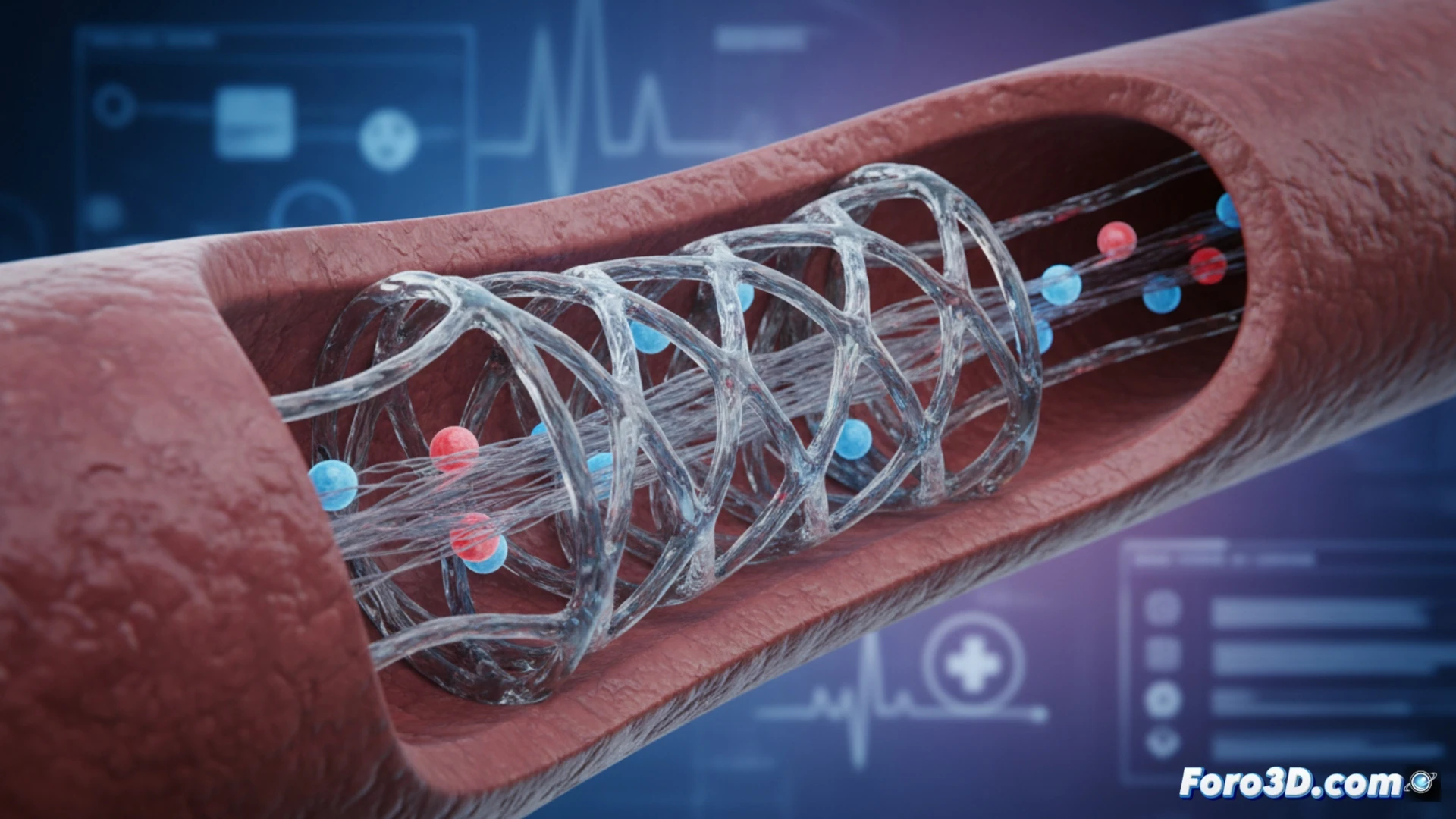
Additive manufacturing for vascular control 🩺
The implant is produced using three-dimensional printing techniques that allow for a flexible and customized structure. By adjusting to the artery's geometry, the device continuously regulates blood flow. Developers highlight that the elastic material avoids the rigidity of other stents and reduces the need for daily medications. Preliminary trials show a sustained drop in blood pressure without serious adverse effects, although further human testing is required to validate its long-term safety.
Goodbye pills, hello smart hose 😅
Finally, an excuse to skip that cocktail of pills every morning. Now you just need a piece of high-tech rubber implanted in your artery. Of course, if your neighbor asks why you have a lump on your arm, you can tell them it's your new designer pacemaker. The downside will be when the implant decides it's time for low blood pressure and you end up fainting in the supermarket while buying potato chips.