A recent study reveals that the perceived location of our self (head for rational individuals, heart for emotional ones) is a stable marker of our cognitive style. This dichotomy, which can predict performance on analytical tests and sensitivity to stress, becomes malleable depending on context. For artificial intelligence and digital community management, this cognitive flexibility represents both a challenge and an opportunity: can algorithms detect and predict these paradigm shifts in user behavior?
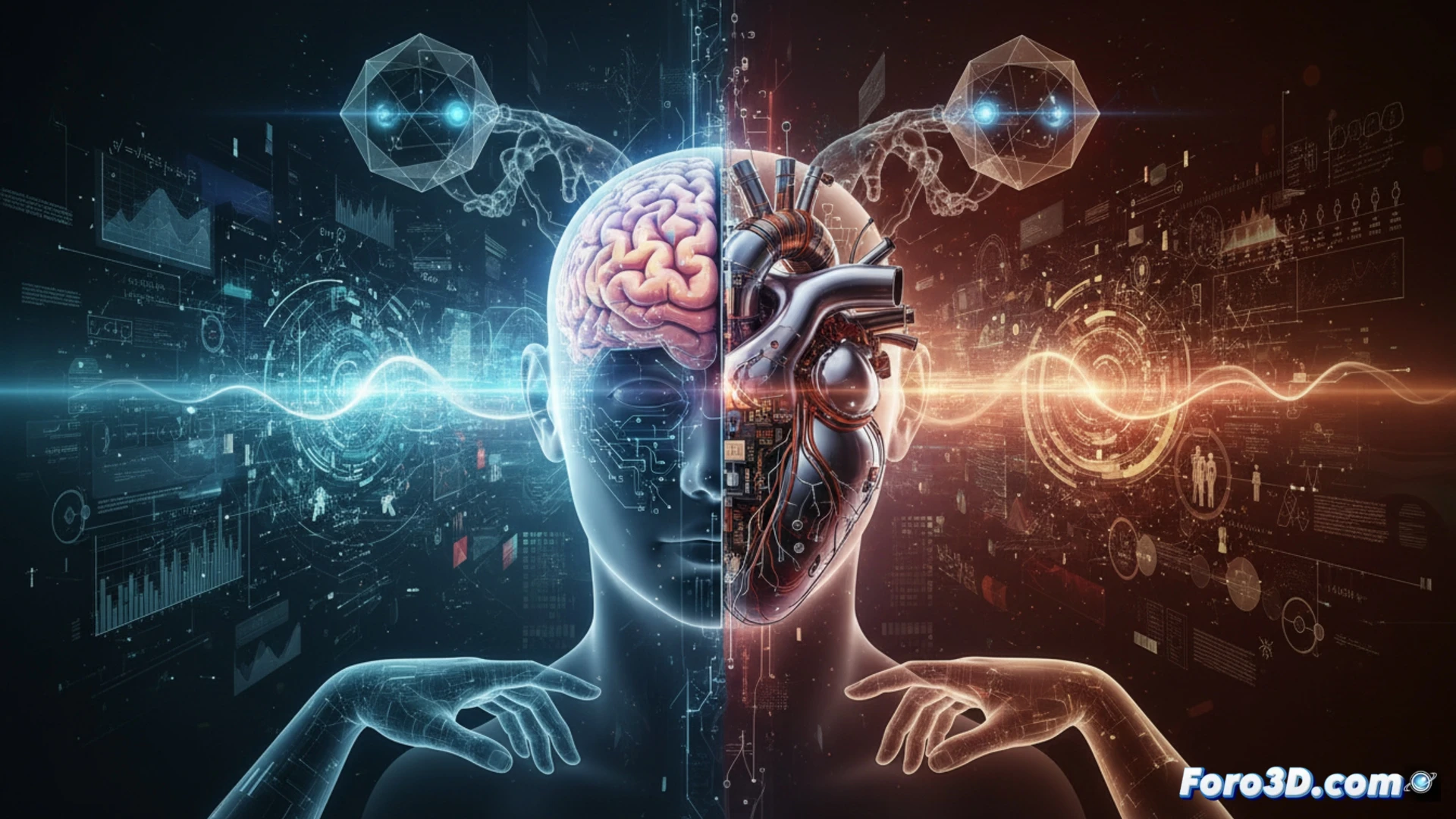
Modeling cognitive styles through AI and data analysis 🧠
AI can infer patterns of analytical or emotional thinking by analyzing data such as reading time, word choice (technical vs. affective language), and forum interactions. Natural language processing (NLP) systems already segment users based on their communicative style. However, research indicates that this identity is not fixed: a user may display a rational profile when solving a technical problem and an emotional one when debating a social issue. For platforms, it is critical not to permanently label users, as this would distort behavioral advertising and content moderation, leading to dangerous algorithmic biases.
Ethics, flexibility, and the risk of the digital label ⚖️
If AI models a user as purely analytical, it could exclude them from emotional campaigns or crisis support, ignoring their ability to switch modes. The flexibility of the self suggests that platforms should design adaptive, not deterministic, systems. Learning to switch between logic and emotion is a skill that technology could foster, but only if it respects human plasticity. The real ethical risk is that algorithms freeze a momentary identity, labeling people into a cognitive mold that they themselves can transcend.
If AI learns to model the location of the self based on our rational or emotional perception, could this lead it to design digital interactions that reinforce a split between head and heart, rather than integrating them?
(PS: moderating an internet community is like herding cats... with keyboards and no sleep)