The indie studio behind The Lost Wild has introduced a technical approach that promises to revolutionize the dinosaur horror genre. Far from enemies with predefined paths, the title implements a systemic AI in Unreal Engine 4 where each creature reacts in real time to the light and sound generated by the player. This emergent behavior, combined with a realistic asset pipeline, sets a new standard for stealth in prehistoric environments. 🦖
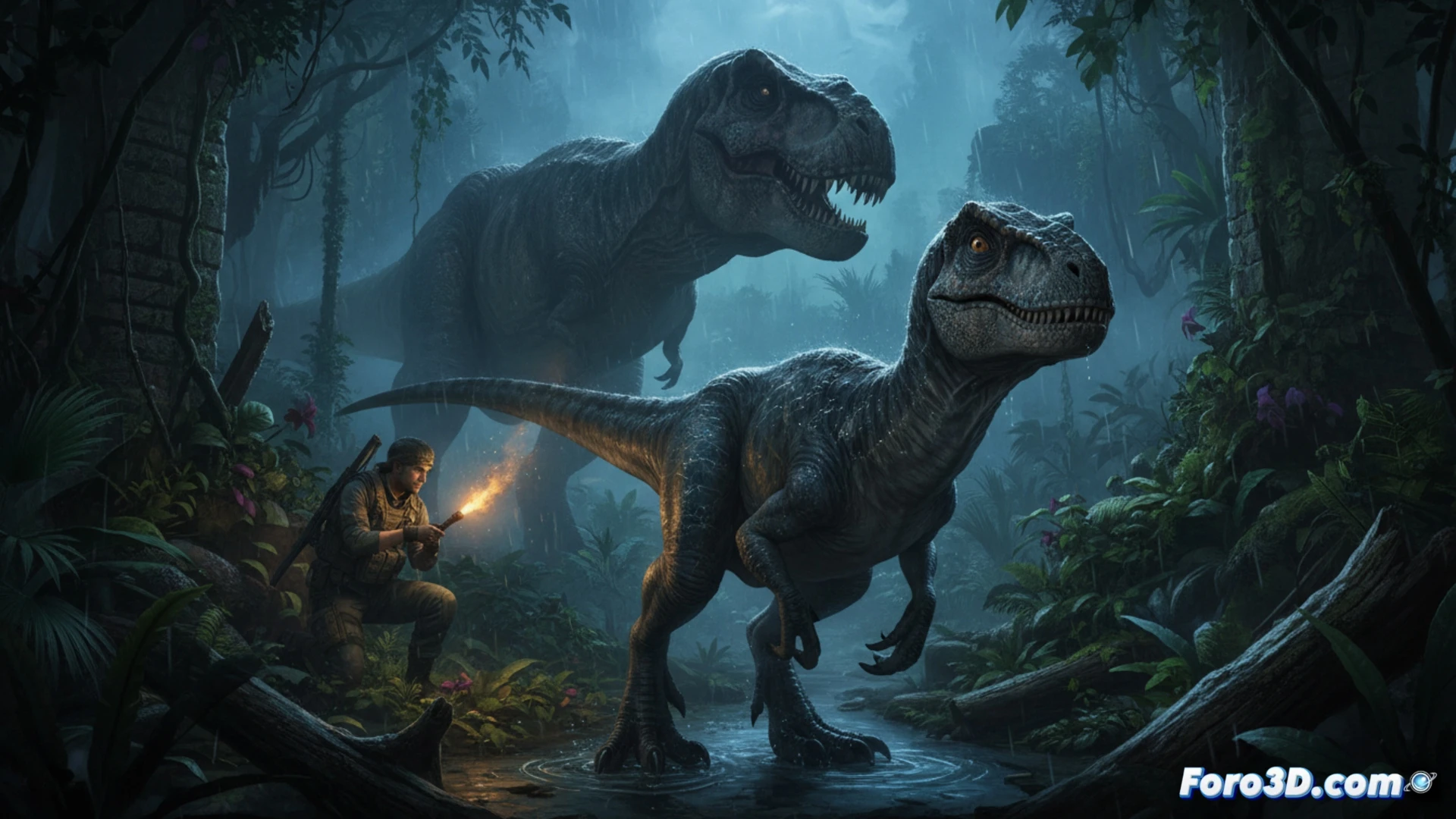
Asset pipeline and real-time reactive behavior 🎮
The creation of the dinosaurs begins in Autodesk Maya, where high-density models are sculpted with horror in mind. Subsequently, Substance Designer allows for generating procedural textures that simulate wet scales and weathered skin, optimized for dynamic lighting. The real technical challenge lies in the AI perception system: each dinosaur has an auditory and visual sensor that evaluates the volume of the player's footsteps and the intensity of their lantern. In Unreal Engine 4, these inputs are processed through Behavior Trees and a stimulus system that modifies the creature's alert state. If the player moves silently through dark areas, the dinosaur remains in a passive state; but a single flash of light or a loud noise triggers an active search, forcing the user to constantly rethink their stealth strategy.
Lessons for indie developers on stealth optimization 🧠
For small studios looking to implement similar mechanics, the key lies in the simplicity of the stimulus system. Instead of complex navigation meshes, The Lost Wild demonstrates that it is more effective to use dynamic collision spheres to propagate sound and a basic line-of-sight system for light. This reduces computational cost and allows the AI to react organically. Additionally, when texturing with Substance Designer, it is recommended to prioritize the roughness channel and the normal map so that Unreal Engine 4's lighting generates dramatic shadows, enhancing visual tension without sacrificing performance.
How does The Lost Wild's reactive AI system in Unreal Engine 4 manage to generate unpredictable hunting behaviors in dinosaurs to maintain prehistoric horror tension without resorting to predefined patterns?
(PS: shaders are like mayonnaise: if they break, you have to start all over again)