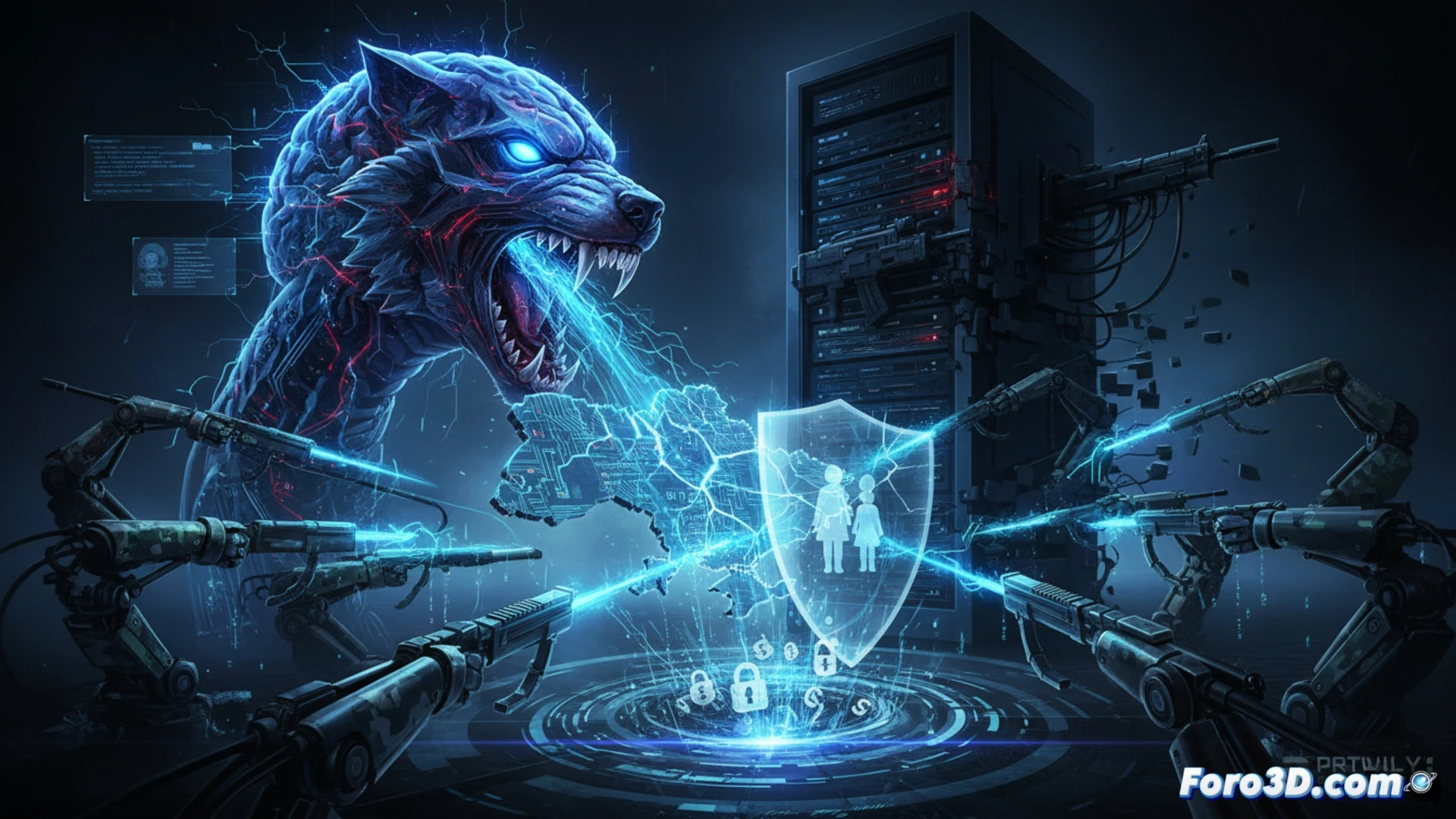
The use of artificial intelligence to intensify cyberattacks against Ukraine has uncovered a global paradox. While states compete to develop offensive digital weapons, citizens are left exposed to massive intrusions. This priority of attacking over defending makes digital services more expensive and weakens everyone's privacy.
The technical imbalance between attack and defense 🔒
AI systems allow automating phishing attacks, detecting vulnerabilities in real-time, and evading security filters. However, investment in civilian defense does not keep pace. To balance the scales, regulations are needed that force states and companies to allocate a fixed percentage of their technology budgets to civilian cybersecurity. This would ensure affordable protection for the population, rather than leaving it as a luxury service.
The digital umbrella we pay for but don't have ☂️
It's curious: governments spend fortunes on AI-powered cyber missiles, but when your bank account is looted or your webcam turns on by itself, they tell you to buy a paid antivirus. So, while they have fun with their digital toys, we pay to close the door they themselves left open. Next time you get hacked, remember: maybe your money went to fund the attack.