The Interdisciplinary Congress of Philosophy, held in the province of Ciudad Real, has brought to the table the debate on the relationship between human beings and artificial intelligence. Experts from various fields analyzed how AI transforms our identity, autonomy, and concept of work, as well as the risks of delegating decisions to automated systems. A meeting that invites reflection on the future.
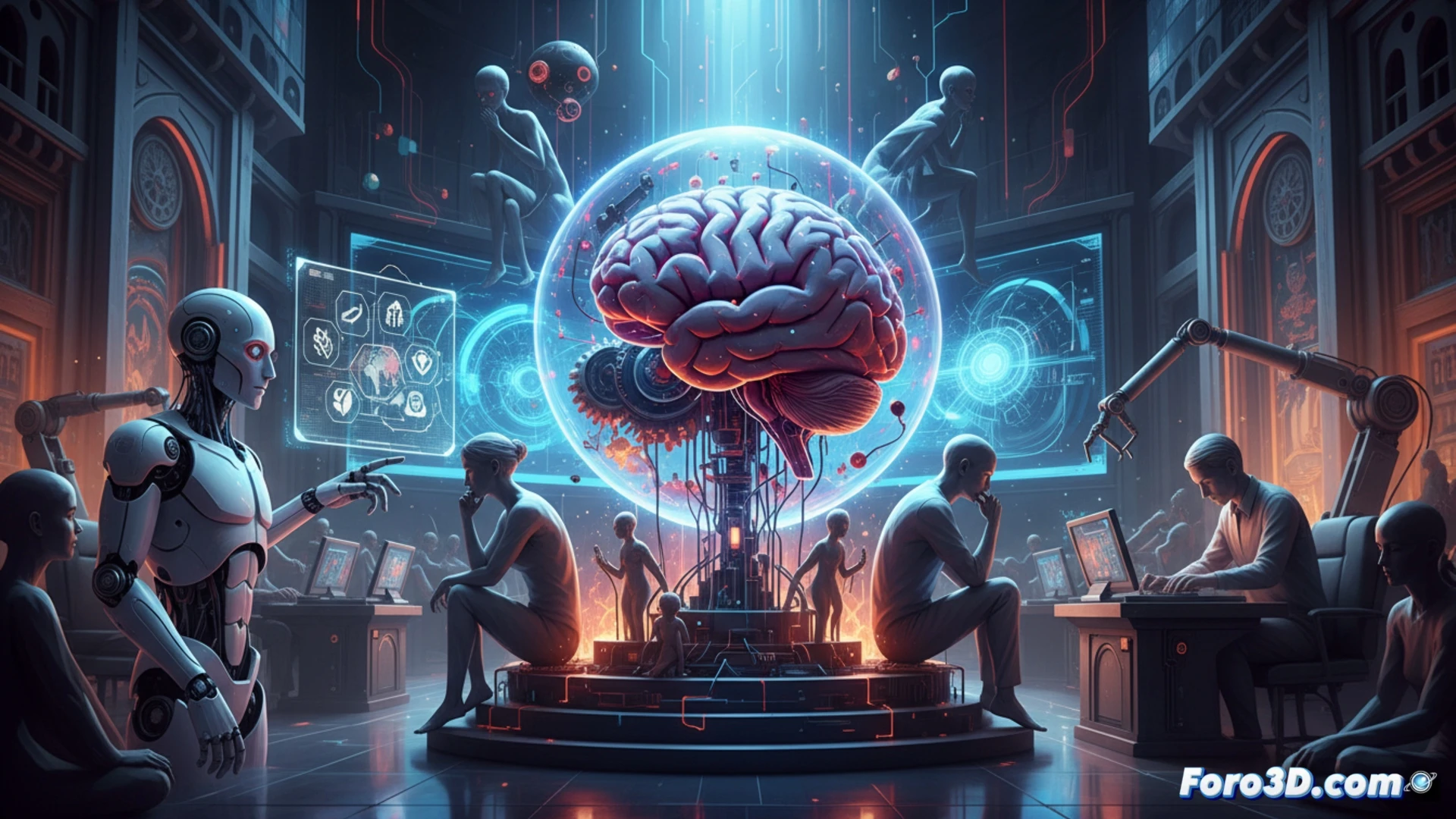
Codes and Consciences: The Technical Challenge of Teaching Ethics to Machines 🤖
The speakers addressed machine learning algorithms and their ability to replicate human biases. The need to implement control frameworks that guarantee transparency in automated decision-making was discussed. Software engineering must integrate ethical principles from the design stage, preventing machines from acting as black boxes. Responsible AI development requires constant audits and representative data to avoid perpetuating social inequalities.
The Virtual Assistant That Reminds You You're Dispensable 😅
After the sessions, several attendees confessed that their greatest fear is not that AI becomes conscious, but that it steals their job and then sends them a farewell email with spelling mistakes. For now, experts agree that machines have no sense of humor, which at least leaves us one safe field of work: telling bad jokes in team meetings.