When you watch a work by Hiroshi Nagahama, you notice something is different. There are no screams, no explosive powers, no fanservice. Instead, we find worlds that breathe, filled with organic textures and an unsettling calm. This director has built a career by moving away from the commercial, embracing techniques like rotoscoping to capture life as it is: strange, slow, and beautiful. His name is synonymous with atmosphere.
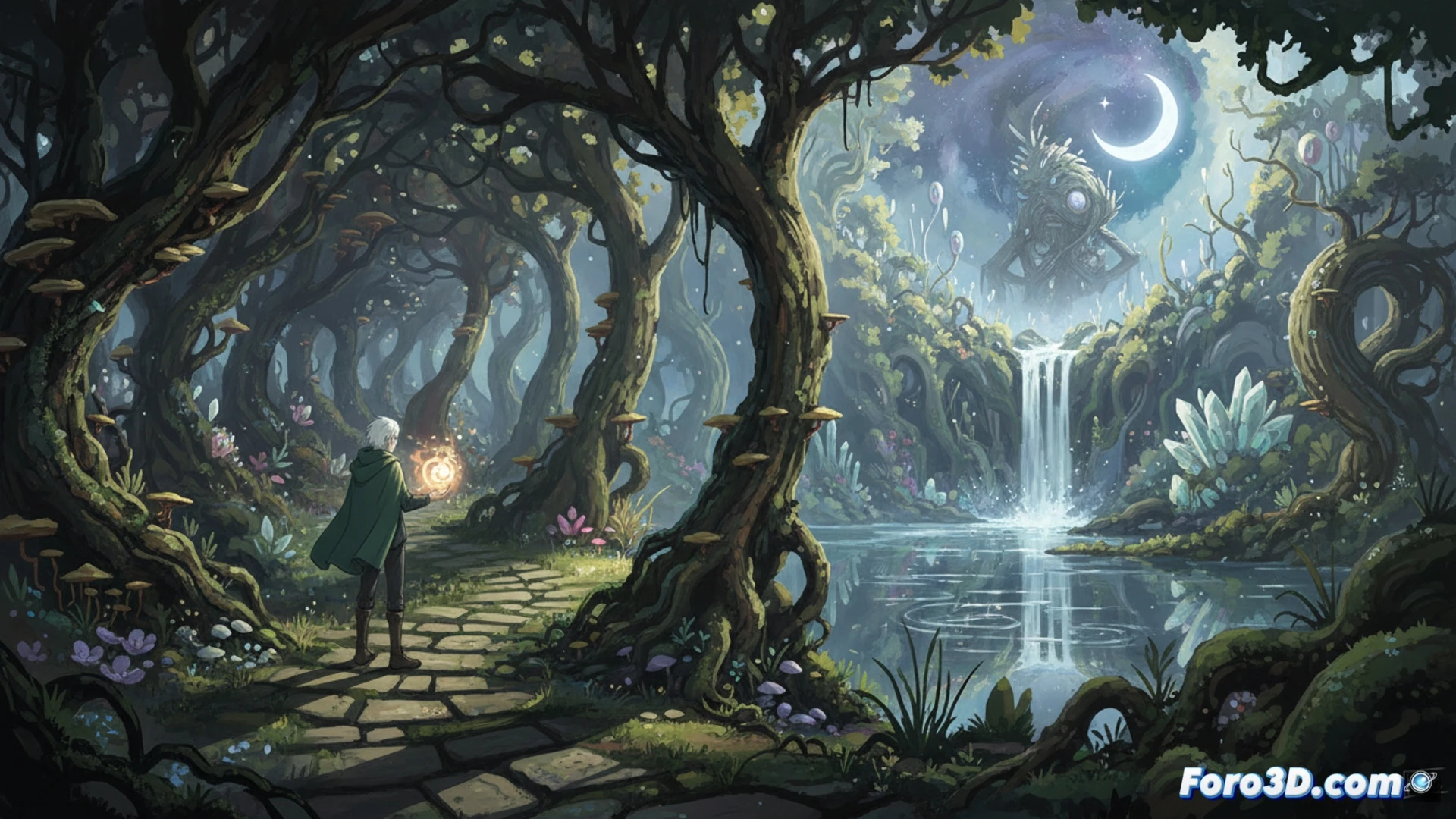
Rotoscoping and textures: Nagahama's technical craftsmanship 🎨
Nagahama uses rotoscoping not as a gimmick, but as a tool to anchor his stories in a tangible reality. In The Flowers of Evil, every awkward movement of his characters was traced from real actors, generating a visual discomfort that reinforces adolescent anguish. For Mushishi, he used watercolor backgrounds and limited animation that prioritizes a slow pace. This artisanal approach requires more time and resources, but it makes the world feel alive, almost palpable, rather than an assembly-line product.
Detroit Metal City: the satanic parenthesis in his filmography 🤘
And then there's Detroit Metal City. After seeing Nagahama immerse us in mystical forests and existential anxieties, one doesn't expect the same guy to direct an anime about a prude boy who transforms into a satanic death metal singer. It's as if, suddenly, he needed a break and said: okay, I'm going to animate panties, decapitated goats, and a giant fist that crushes cities. It works, and it shows that even contemplative geniuses have their mischievous side.