Hiroshi Kojina is not a name that comes up in every hallway conversation, but his technical footprint on animation is profound. With a career that began in the toughest studios of the medium, he reached his peak by taking the reins of Hunter x Hunter (2011). His approach: faithful adaptations, but with a dynamic pulse that keeps the viewer glued to their seat without betraying the original material.
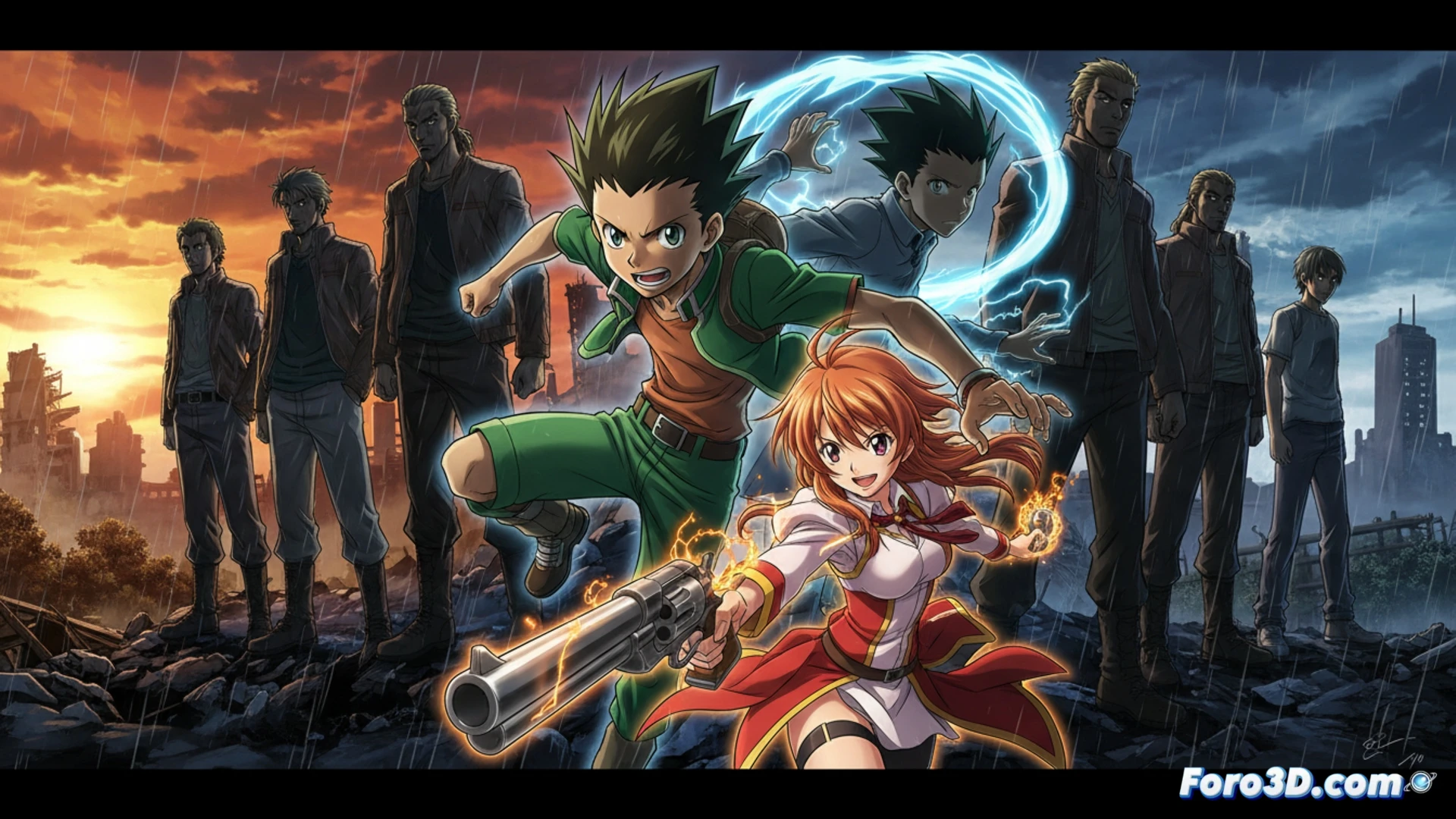
Facial expressiveness and fluidity: Kojina's technical engine 🎬
Kojina prioritizes two key elements in his direction: facial expressiveness and fluid animation. In Hunter x Hunter, he managed to make characters like Gon or Killua convey complex emotions with precise micro-gestures, even in filler or transition episodes. His obsession with maintaining a consistent keyframe cadence avoided the quality dips typical of long-running series. Furthermore, his use of sequence shots in battles, such as in the Chimera Ant arc, demonstrates a control of tempo that few directors manage to sustain over 148 episodes.
The director who made animators sweat (literally) 💦
Legend has it that Kojina reviewed every storyboard with a magnifying glass and a notebook where he wrote things like more wrinkles on Leorio's forehead or Killua's fist needs 3 extra impact frames. While other directors settled for static faces and recycled backgrounds, he demanded that even secondary characters have expressive eyebrows. The result: a series that looks good even on pause, although the animators probably dreamed of filler cloud scenes to rest.