We have been hearing for decades that hydrogen is the future of mobility. However, its real presence in gas stations and vehicle fleets remains minimal. The problems of production, storage, and distribution keep this promising energy vector in the background, far from fossil fuels and electric batteries.
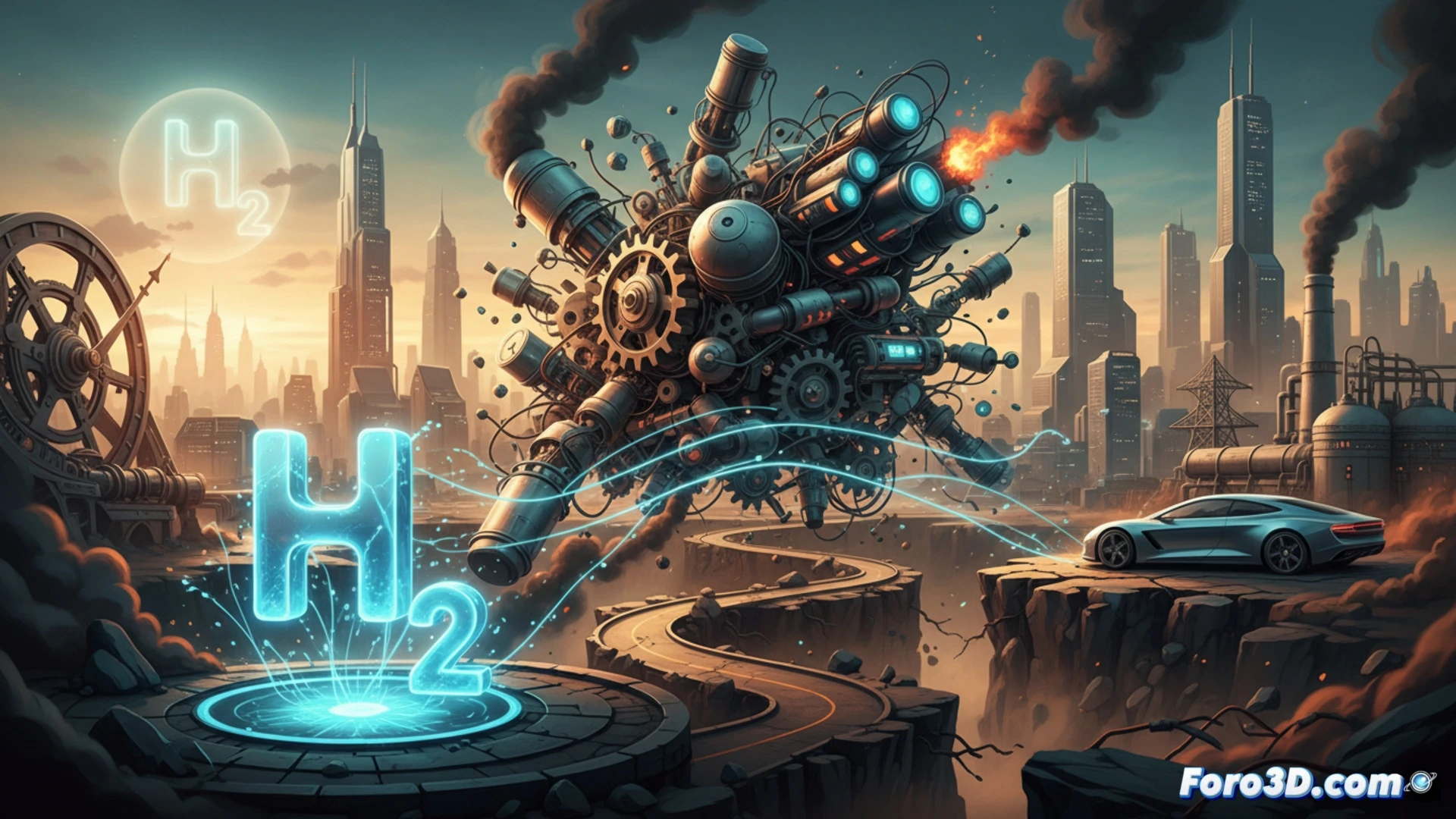
Electrolyzers and technical challenges of green hydrogen ⚡
To obtain clean hydrogen, renewable electricity and an electrolyzer are needed. The process is simple on paper, but expensive in practice. Between 30% and 40% of the energy is lost in the conversion. Additionally, storing it requires compressing it to 700 bars or liquefying it at -253 degrees, processes that consume more energy. Fuel cells, although efficient, still have a high cost and limited lifespan compared to a conventional diesel engine.
Hydrogen and its talent for hide and seek 🔍
Hydrogen has a special ability to sneak through any gasket or valve. It is the smallest molecule in the universe, so finding leaks in a tank is like looking for a needle in a haystack. Engineers use expensive sensors and special seals, but sometimes the gas escapes without warning. It is not that it is bad, it just enjoys its freedom more than we enjoy refueling in five minutes.