He Tingbo, a key figure in Huawei's semiconductor development, represents China's response to U.S. technology restrictions. His work in creating proprietary chips has turned the company into a symbol of resilience. In tech forums, his name is no longer just that of an engineer, but a protagonist in the country's industrial folklore.
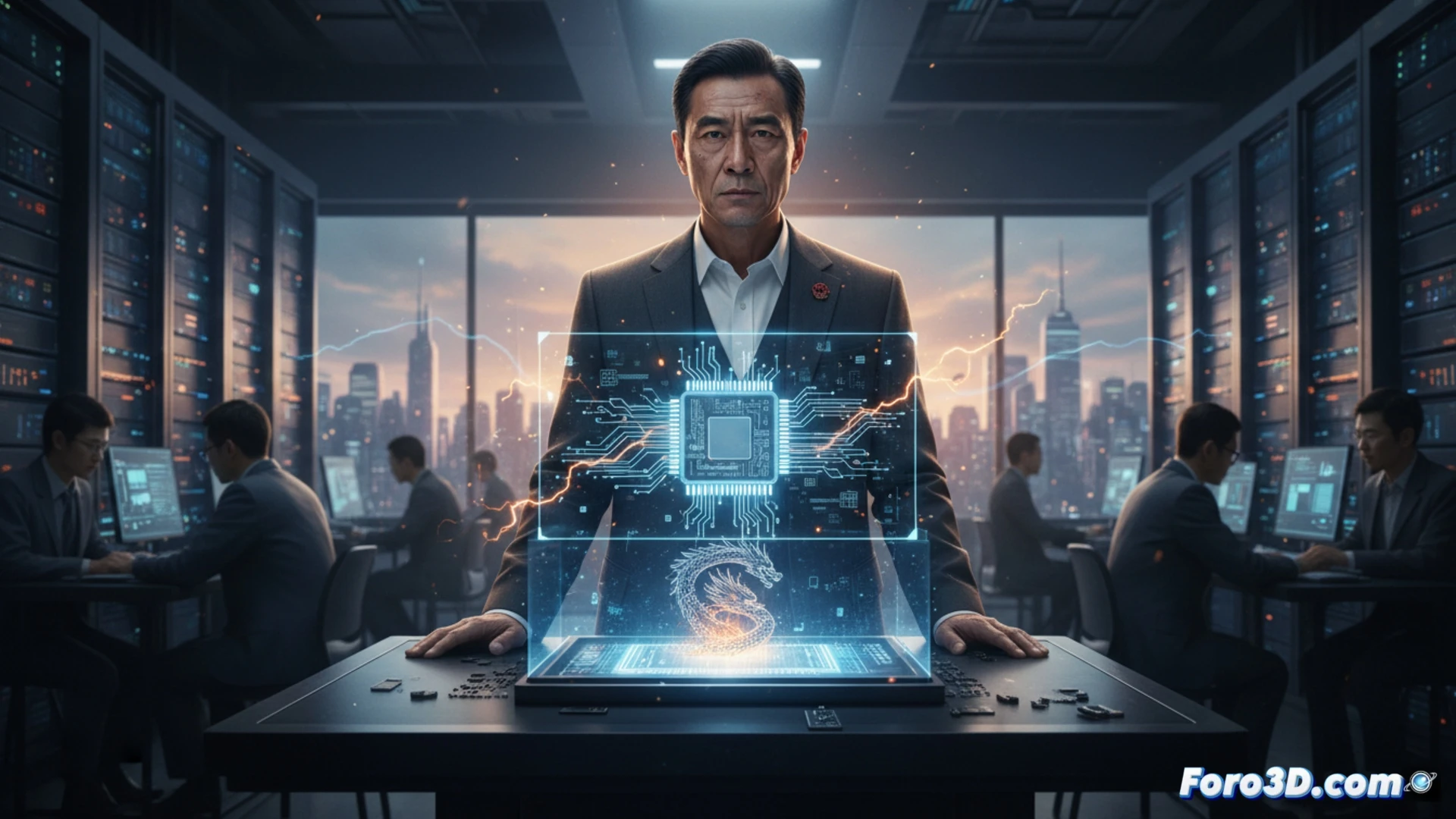
From the shadows to the chip: Huawei's technical leap 🔬
Under his leadership, Huawei moved from relying on external suppliers to manufacturing its own processors, such as the Kirin. Sanctions accelerated the creation of a local supply chain, from design to lithography. Although the advances are not miraculous, they do represent measurable progress in 7nm and 5nm nodes. The strategy is not to compete head-on with TSMC, but to ensure technological survival.
The hero who doesn't wear a cape, but does wear silicon wafers ⚙️
In hallway rumors, He Tingbo already has the status of a mythological figure: some say he makes chips with a toaster and a phone charger. The reality is less epic: semiconductor development requires decades of investment and testing. But in a country where technology blends with national pride, this engineer has gone from being a technician to a living meme of self-sufficiency.