The quantum computing center at Harvard University has launched a prediction that is shaking up the sector: practical, fault-tolerant quantum computers could be ready by the end of this decade, bringing forward previous forecasts by five to ten years. The engine behind this change is a concrete advance in error correction, the Achilles' heel of these systems.
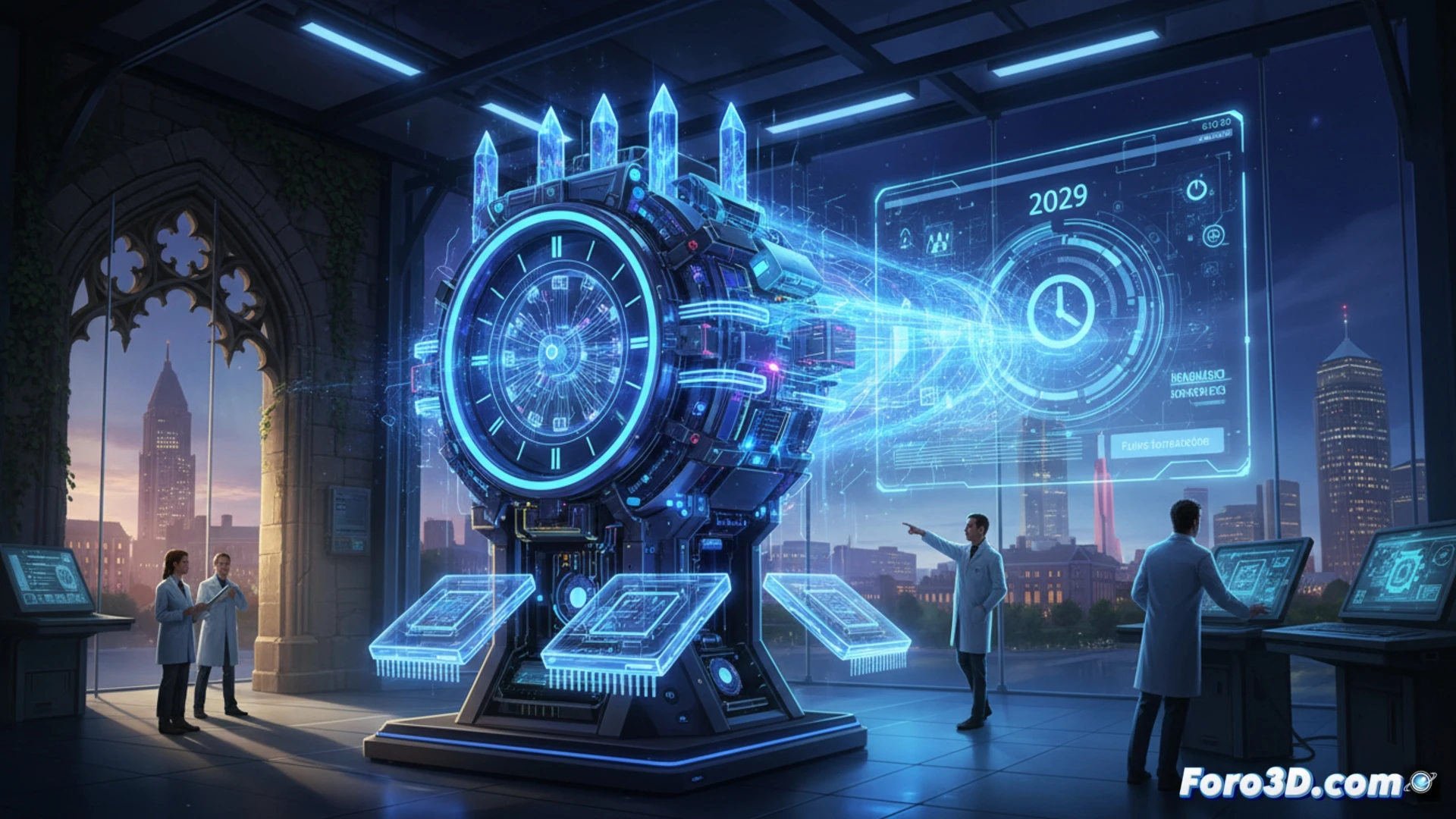
Error correction: the missing glue in quantum silicon 🧩
The central problem with qubits is their fragility: any external interference corrupts them. The Harvard team has developed a new correction protocol that allows quantum coherence to be maintained for longer without the need for superhuman hardware. This reduces the necessary redundancy and brings quantum logic closer to something functional. However, the announcement comes with a nuance: having a computer that doesn't shut down doesn't mean having a computer that is useful for anything.
So now, what do we do with this marvel? 🤔
The good news is that qubits will stop failing constantly. The bad news is that no one is clear about what to use them for once they work. Scientists have solved the how, but the what for remains a draft. It's like having a Formula 1 car that doesn't break down, but you haven't yet decided whether to go grocery shopping or take a spin around the neighborhood. Error correction advances, but the instruction manual for practical benefit remains blank.