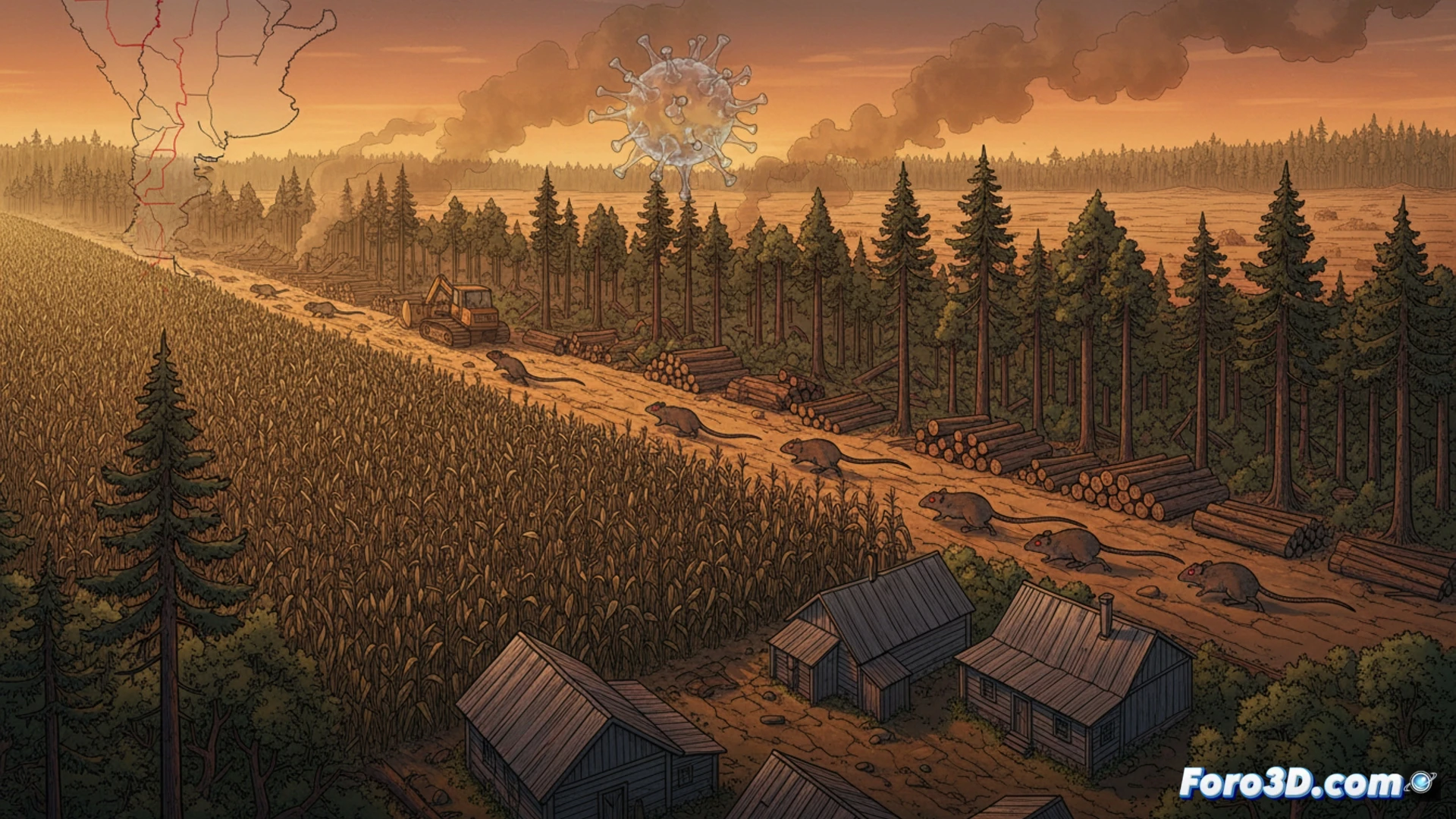
The hantavirus outbreak in southern Argentina is not a climatic surprise, but the foreseeable result of years of deforestation and uncontrolled agricultural expansion. As the ecosystem degrades, the rodents carrying the virus find in the cleared lands an ideal habitat to approach communities. The system reacts late, with promises and patches, when the real solution is to plan the territory before the next outbreak reminds us of our negligence.
Satellite technology and early warnings: tools in abundance, decisions lacking 🛰️
Satellite monitoring systems exist that can detect changes in vegetation cover and predict areas at risk for hantavirus. However, their use is limited to academic reports that rarely translate into concrete policies. An early warning system, integrated with meteorological and deforestation data, would allow fumigation protocols and medical care to be activated in vulnerable communities before cases spike. The technology is available; what is missing is the will to apply it preventively rather than reactively.
The mouse didn't ask for permission to move into your field 🐭
It turns out that hantavirus is not a divine punishment, but the forced relocation of rodents that lost their home due to the advance of soybeans. While producers celebrate each cleared hectare, the mice, without asking permission or paying rent, settle into sheds and rural houses. The curious thing is that we are then surprised when the critter decides to share its space with us. Perhaps the next agricultural plan should include a chapter on coexistence with displaced wildlife.