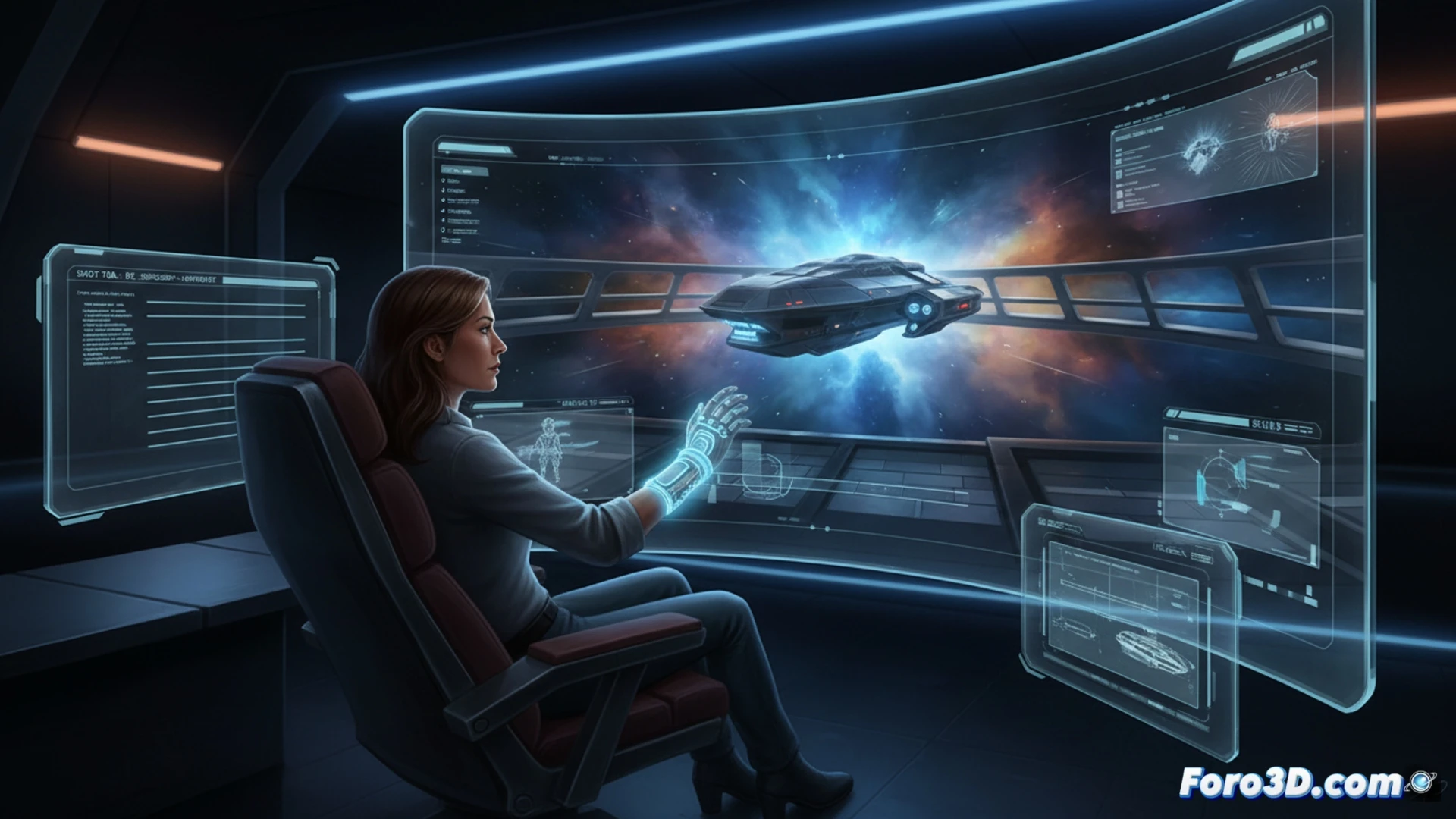
The screenwriter's craft no longer depends solely on paper and pencil. 3D technology allows you to preview scenarios, camera movements, and block out complex scenes before writing a single line of dialogue. This saves time on revisions and avoids descriptions that are impossible to film. For example, a science fiction screenwriter can model a spaceship and its interiors to verify that transitions between shots work visually, something impossible to do with words alone.
Key Programs for the Technical Screenwriter 🛠️
For this workflow, you need accessible tools. Blender is free and allows basic modeling, camera animation, and 3D storyboards. SketchUp is useful for quickly blocking out architectural sets. If you're looking for something more cinematic, FrameForge is designed for pre-visualizing shots and framing. You can also use Unreal Engine with its cinematic sequencer tool, ideal for complex shots with realistic lighting. The key is to use software that allows you to export still images or short animations to share with the director.
When 3D Saves You from a Plot Hole 🚀
Because yes, we've all written that scene where the protagonist jumps from one building to another while dodging drones. Then the producer arrives, sees the budget, and asks if the jump could be from one chair to another. With 3D, you can prove your idea was viable... or realize that, in reality, your character was going to crash into an invisible wall. Good thing the computer tells you before the director of photography does, who is usually less diplomatic.