A group linked to Russia, known as GREYVIBE, has intensified cyberattacks against Ukraine using artificial intelligence tools. This is concerning because AI accelerates attacks and makes them harder to detect. For citizens, the consequence is clear: governments and companies will need to invest more in cybersecurity, which could make digital services more expensive and put user privacy at risk.
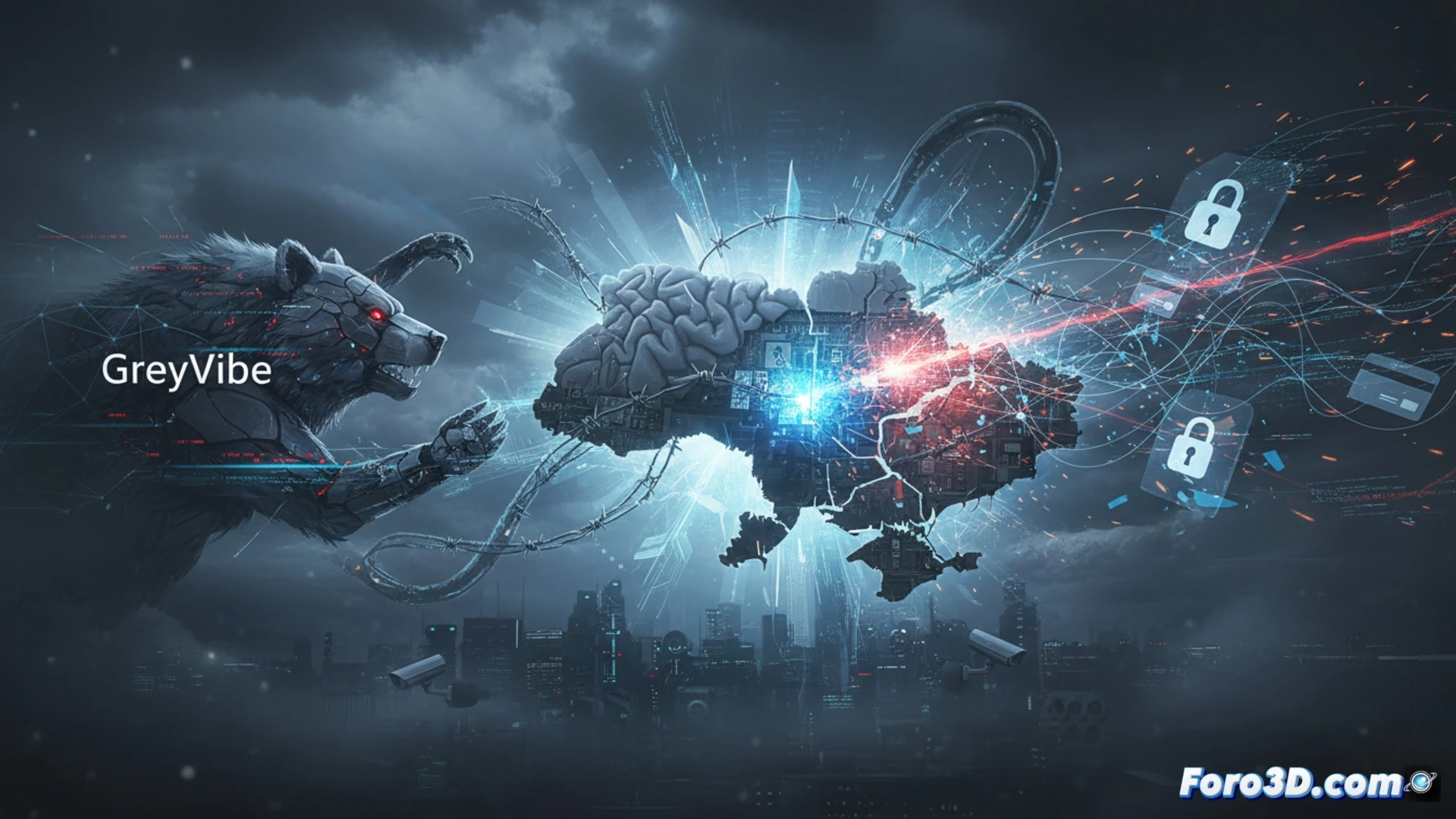
How AI Turns Malicious Code into a Double-Edged Sword 🛡️
Artificial intelligence allows GREYVIBE to automate the search for vulnerabilities and generate malware that adapts in real-time to defenses. This reduces the time between detecting a breach and exploiting it. Additionally, learning algorithms can mimic legitimate traffic patterns, making it harder for traditional security systems to do their job. This technical sophistication forces constant updates to protection protocols.
AI Could Also Hack Your Netflix Account, But Just for Fun 😈
While GREYVIBE is serious about taking down critical infrastructure, one can't help but think that the same technology could be applied to more mundane things, like skipping the queue at social security registration or making your router blink in Morse code. But no, they prefer to play Cold War 2.0. At least, if your smart TV starts speaking Russian, you'll know who to blame.