Independent studio 3D Realms and Slipgate Ironworks have released Graven, a title that challenges modern graphical conventions by reviving the aesthetic of the 32-bit era (PS1/Saturn) within the powerful Unreal Engine 4. The key to its visual success lies not in raw power, but in a clever combination of low-polygon models with high-resolution hand-painted textures, creating a unique retro-modern look that optimizes performance without sacrificing the dark fantasy atmosphere.
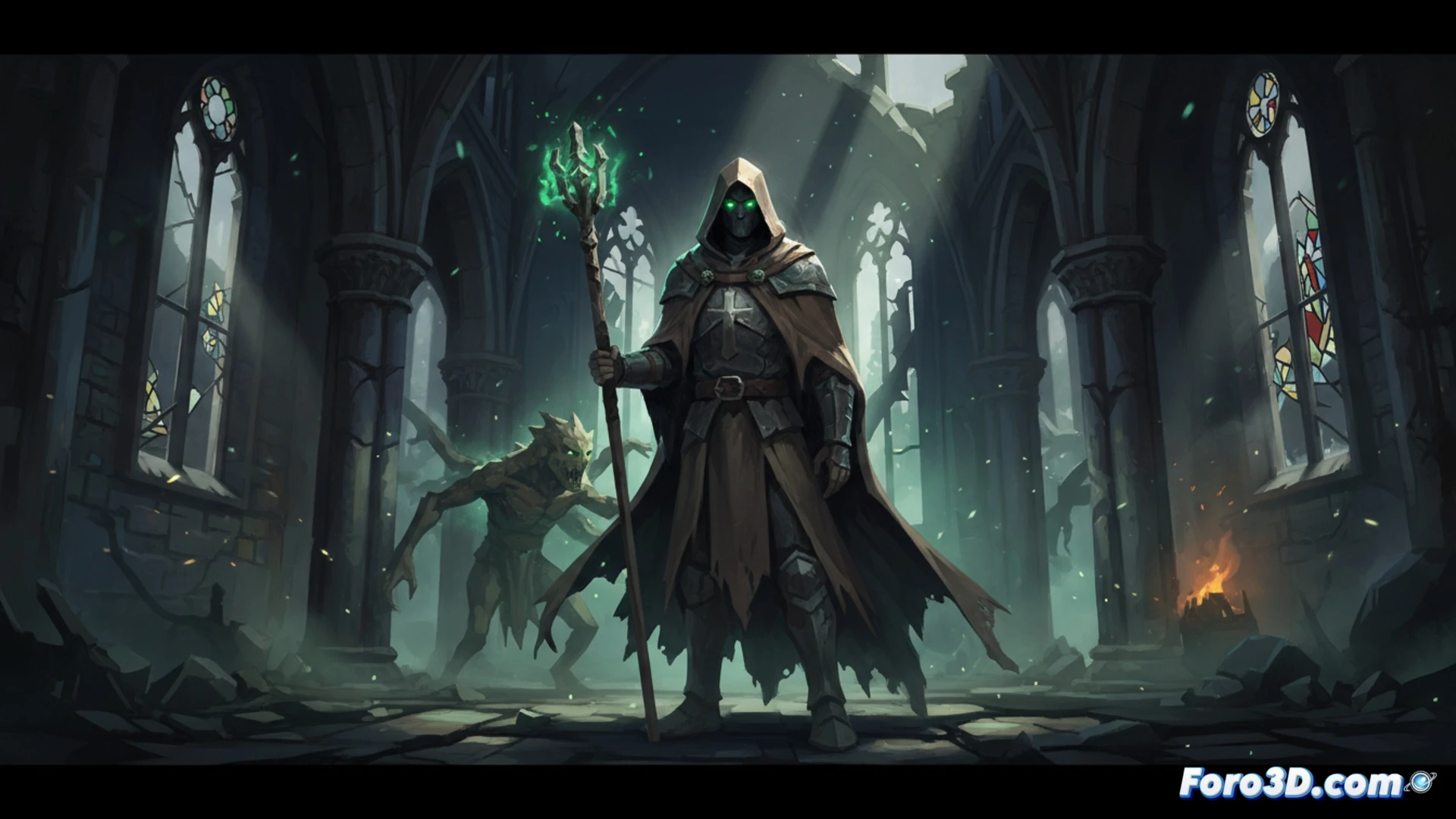
Technical pipeline: From Maya to Photoshop and the engine 🎨
The workflow behind Graven is a practical example of efficiency for small studios. First, the 3D models are sculpted and retopologized in Autodesk Maya, maintaining an extremely low polygon count, similar to that of the late 90s. The magic happens in Adobe Photoshop, where artists paint high-resolution diffuse textures (1024x1024 or higher) directly onto the UV map. These textures contain all the lighting, shadow, and surface detail information, eliminating the need for complex normal maps or expensive dynamic lighting systems. In Unreal Engine 4, the material is set to Unlit or with simple lighting, which drastically reduces draw calls and allows the engine to render dense, dark scenes without performance drops, even on modest hardware.
Lessons for independent developers 💡
Graven demonstrates that technical limitation is not an enemy, but a stylistic tool. For independent developers, this approach offers a viable path: prioritize the quality of painted textures over geometric complexity. By using high-resolution textures with hand-painted details, a visual depth is achieved that low-poly meshes alone could not reach. This technique not only saves modeling time but also ensures stable performance, allowing the game to run on a wide range of configurations. The lesson is clear: a well-executed artistic identity always surpasses the simple accumulation of polygons.
Would you use LODs or Nanite to maintain performance?