Npixel has taken a decisive step in the evolution of its franchise by presenting Gran Saga: Unlimited, an iteration that abandons previous engines to fully immerse itself in Unreal Engine 5. This move not only implies a software change but a complete visual reinvention. The promise of dynamic global illumination and enhanced open-world textures marks a before and after, offering developers a much more ambitious technical canvas to exploit in the mobile and PC RPG genre.
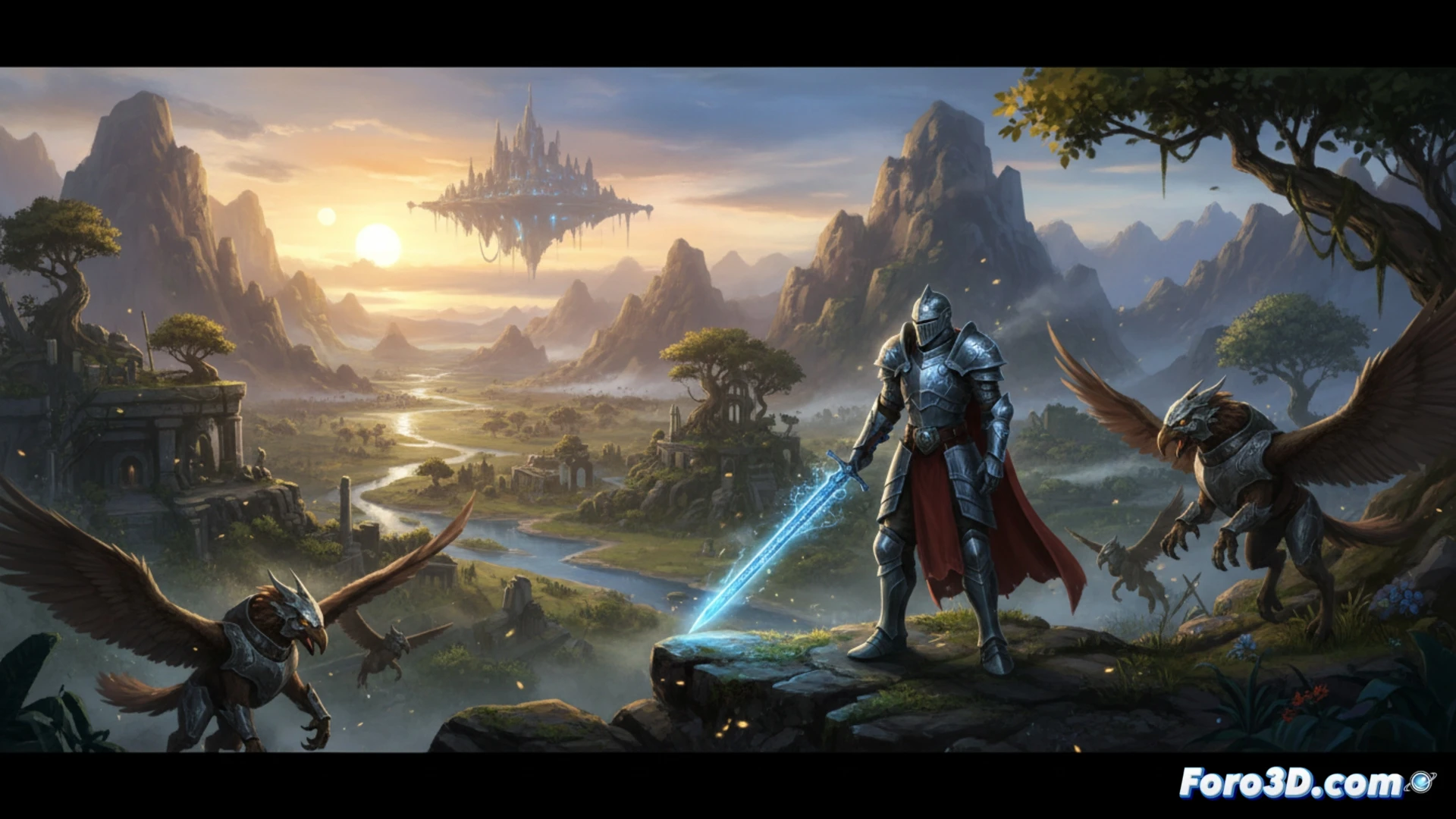
Global Illumination and Pipeline with 3ds Max 🎮
The leap to Unreal Engine 5 allows for the implementation of Lumen, the real-time dynamic global illumination system. This eliminates the need for static bakes, allowing light to bounce naturally in open environments, affecting characters and moving objects. To manage the geometry load, the studio employs Nanite, which virtualizes polygonal detail. In the production pipeline, 3ds Max plays a crucial role: artists model high-density assets and PBR textures in this software, exporting them directly to Unreal. This ensures that mesh detail is not lost in the transition, maintaining visual fidelity even across vast map expanses.
Visual Impact on Open World Gameplay 🌍
Graphical fidelity is not mere decoration; it redefines interaction. With enhanced global illumination, shadows and reflections change according to the time of day or weather, affecting tactical visibility in combat. Terrain textures, now with higher resolution and procedural wear, allow distinguishing safe zones from hostile areas without the need for intrusive markers. For the developer, this means the world ceases to be a backdrop and becomes an active gameplay element, where art direction and technology merge to offer an unprecedented immersive experience in the saga.
Considering that Npixel has migrated from a proprietary engine to Unreal Engine 5 for Gran Saga Unlimited, what specific technical challenges have they faced when transferring massive game systems such as server management and multiplayer combat mechanics to the new graphical pipeline, and how have they optimized performance to maintain smoothness in scenes with high character density and visual effects?
(PS: a game developer is someone who spends 1000 hours making a game that people complete in 2)