A team from the University of Leipzig has identified the GPR133 receptor as a key regulator in bone metabolism. According to the study, activating this receptor stimulates the formation of new bone while simultaneously reducing the activity of osteoclasts, the cells responsible for breaking down bone tissue. This finding opens a pathway to treat osteoporosis without resorting to current drugs, which often have significant side effects.
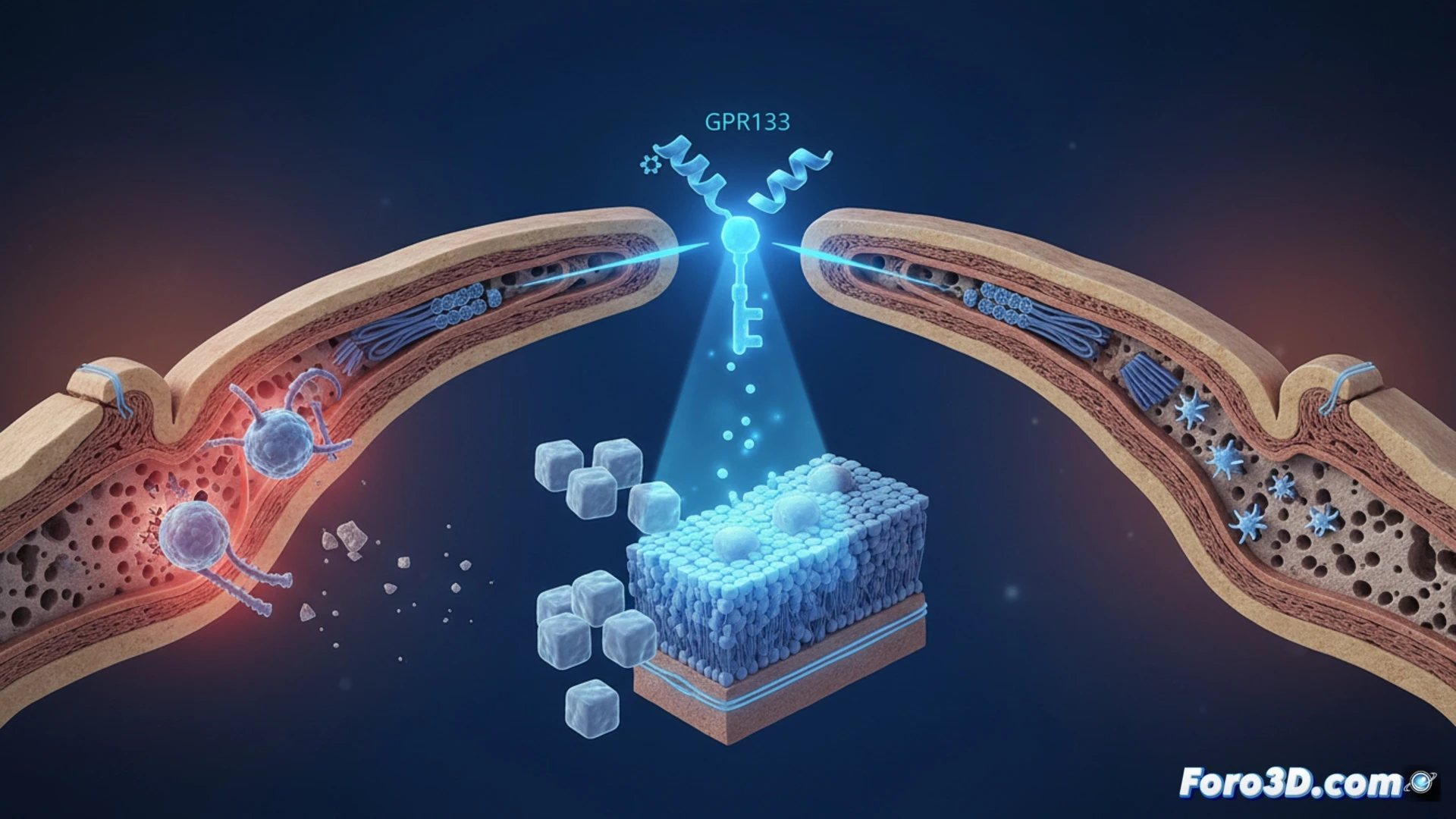
Molecular mechanism: how GPR133 controls bone balance 🦴
The GPR133 receptor belongs to the family of G protein-coupled receptors. When activated, it triggers a signal that promotes the differentiation of osteoblasts (bone-building cells) and inhibits the maturation of osteoclasts (bone-destroying cells). The researchers achieved this effect using specific agonist molecules in mouse models with induced osteoporosis. The results showed an increase in bone mineral density without altering other tissues, suggesting a precise therapeutic target with fewer off-target effects.
The switch bones have been begging for for years 🔬
It turns out our bones had a master switch, and we were using hammers to fix the problem. Osteoporosis, that disease that turns the skeleton into fragile porcelain, could be treated by activating this receptor. Now we just need the pharmaceutical companies not to put a price on it that makes the skeleton crumble from the shock of seeing the bill. Meanwhile, the mice in the study already enjoy a bone density that even mother's milk calcium can't match.