The release of Ghost of Tsushima Director's Cut on PC is not just a celebration for gamers, but a technical case study for any developer. Working on the Sucker Punch Engine, the Nixxes team has demonstrated how a title designed for a console can shine on heterogeneous hardware. This article breaks down the key tools behind the development and the rendering technologies that make this feat possible, offering a practical guide for independent studios looking to expand their multiplatform reach.
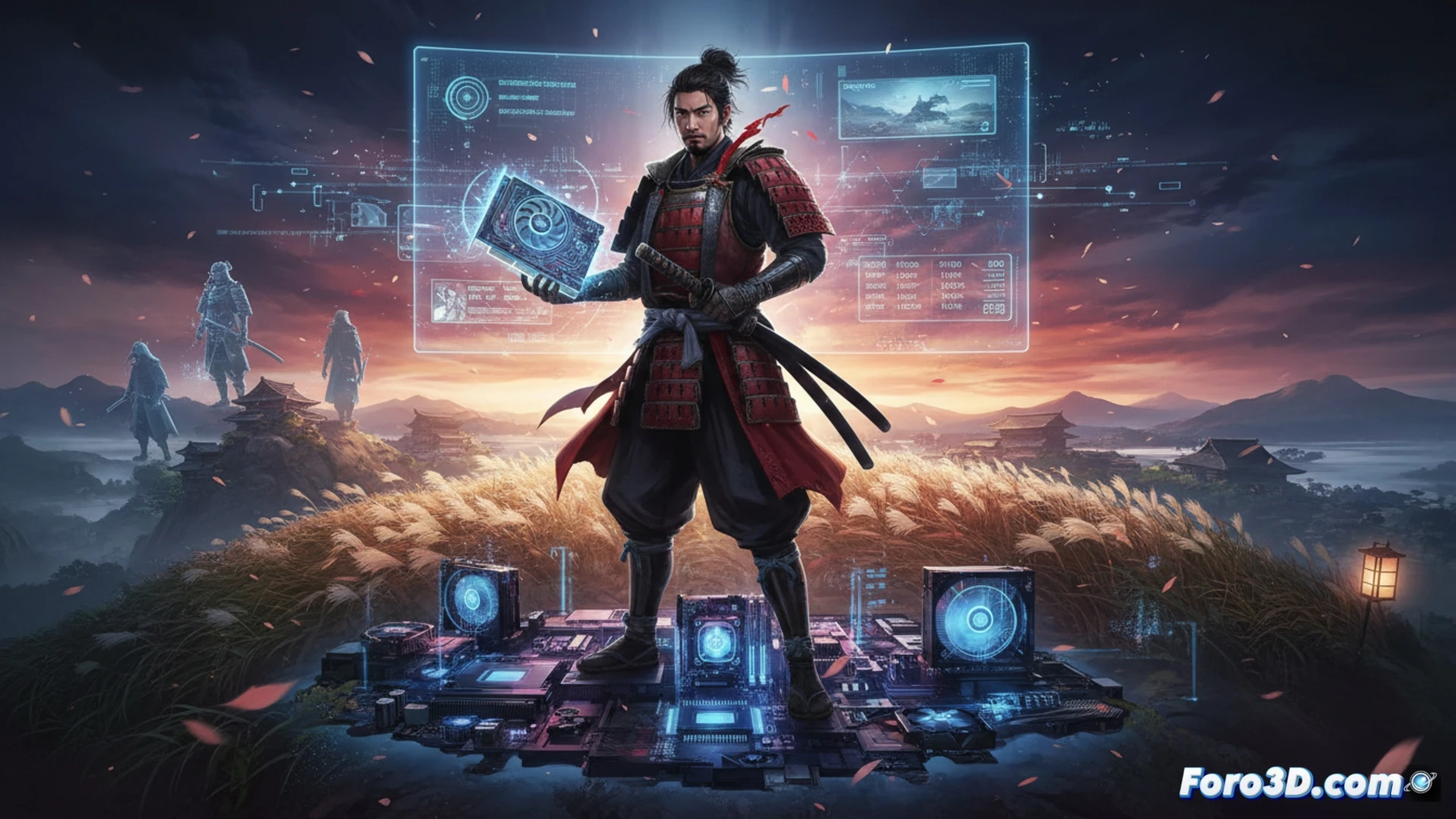
The Workflow: From ZBrush to Sucker Punch Engine 🎨
The creation of the iconic landscapes and models of Ghost of Tsushima relies on a classic yet effective pipeline. Artists use Autodesk Maya for character rigging and animation, while ZBrush is the star tool for sculpting the details of samurai armor and faces. These high-poly assets go through a process of retopology and map baking within the Sucker Punch Engine. The key to Nixxes' success was adapting this pipeline for PC without losing the visual essence, optimizing the geometry so that the dynamic wind and particle system, a signature of the title, remained intact even on low-end hardware.
Smart Performance: DLSS, FSR, and the Indie Future 🚀
For independent developers, the most valuable lesson from this port is the use of scalability. Ghost of Tsushima on PC introduces native support for DLSS 3, FSR 3, and Intel XeSS, allowing the game to look sharp on ultra-wide monitors without sacrificing frames. If you're working on a small project, implementing these technologies from the start, rather than as a patch, will save you headaches. The advice is clear: design your engine with an aggressive LOD (level of detail) system and use temporal upscaling as a rendering tool, not just a performance mode. This way, your game can run on a wide range of hardware without losing the visual quality that defines your art.
Considering the unique technical challenges of moving a title designed for PS4 to PC, what key lessons about memory management and the use of graphics APIs like Vulkan or DirectX 12 can we extract from the Ghost of Tsushima port to optimize future open-world games in this ecosystem?
(PS: 90% of development time is polishing, the other 90% is fixing bugs)