Geologists have been breaking their backs with hammers and compasses for centuries. 3D technology has changed the game, allowing rock formations and faults to be visualized on a screen. It is no longer necessary to imagine how a stratum folds; it is now modeled in three dimensions with millimeter precision. This saves time and reduces errors in the exploration of mineral resources or hydrocarbons.
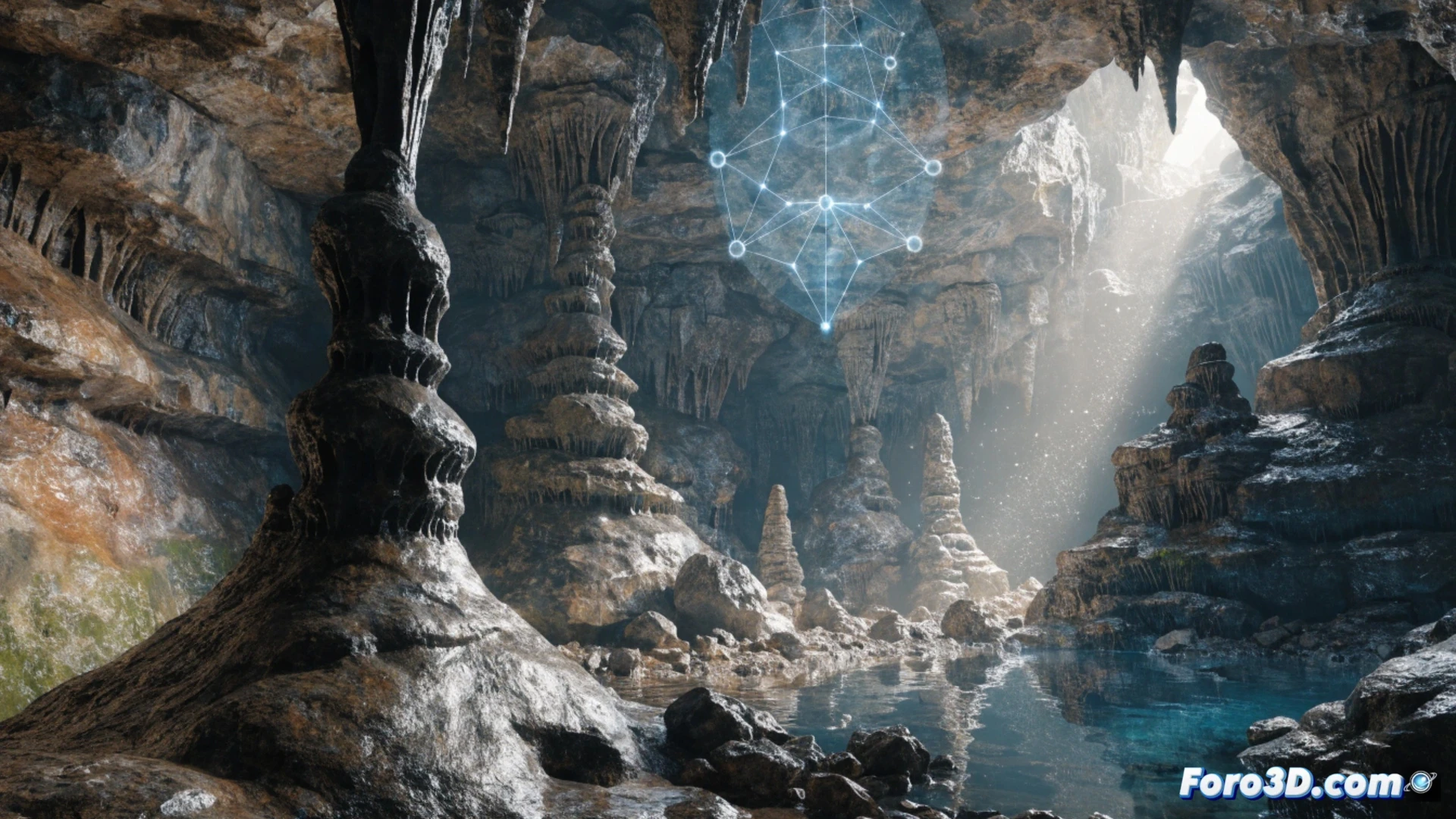
Reservoir modeling with Leapfrog Geo and Python 🛠️
A practical example is the reconstruction of a copper deposit from drill hole data. With Leapfrog Geo, the geologist imports drilling coordinates and creates a volumetric model of the deposit. The software interpolates the mineral grades between the points, generating 3D blocks that can be sectioned to plan extraction. Python is also used with libraries like GemPy to simulate complex geological geometries, incorporating geophysical and geochemical data. The result is a digital twin of the subsurface that guides drilling decisions.
The geologist's hammer is now a mouse 🖱️
Before, the veteran geologist would spit on the ground, sniff the rock, and declare: There's gold here. Today, the intern arrives with a laptop, models in 3D, and proves that the venerable master was right by pure luck. The saddest part is that the veteran now has to learn to drag nodes in Blender while cursing the mesh builder. Good thing the coffee is still the same; without it, no software would save a field campaign.